
Welcome to the April 2026 edition of Phytogen
We are back to business as usual. This issue we have COMBIO updates, Science Meets Parliament (SMP) 2026 reports from ASPS representative Dr Joanna Melonek & Dr Sajitha Biju, Genetics & Molecular Biology Representative Dr Farhad Masoomi-Aladizgeh, and reports from Postgraduate Travel Awardees from ASPS2025 conference. We are also launched a new section highlighting ASPS member news, publications and participation in networking events across the plant science community.
We take a moment to acknowledge a transition within our editorial team. We extend our sincere thanks to Lucas Auroux for his dedicated service as co-editor for two years, contributing to the development of Phytogen, and social media for ASPS. His commitment, attention to detail, and willingness to support student-led initiatives have played a valuable role in shaping the newsletter and ASPS. We are truly grateful for his contributions and wish him all the very best in his future endeavours. We are delighted to welcome Sneha Reddy as the new co-editor. Sneha brings with her a strong background in plant science and a keen interest in research communication and community engagement.
Connect with ASPS on social media: LinkedIn: Australian Society of Plant Scientists; BlueSky: @asps-oz.bsky.social
Join the conversation using #AusPlantSci and #WomenInPlantScience. Tag us to help promote your science!
Phytogen is a community-driven newsletter, and we welcome contributions from ASPS member students, early- and mid-career researchers, and established scientists at any time. We are always looking for:
- Student or lab research highlights
- Conference or workshop reports
- Opinion pieces and perspectives
- Field or extension insights
- Upcoming events, webinars, and symposia suggestions
Contributions can be sent to Phytogen editors Raz ([email protected]) or Sneha ([email protected]).
Combio Updates

Conference Dates: 29th Sept-1st October 2026
Venue: Sydney, NSW
The ComBio 2026 website https://www.combio.org.au/ is now live for registration, and a Linkedin page for the conference is now live HERE. Follow for updates regarding the conference
Please note that Abstract submission has closed.
ComBio 2026 brings together ASBMB, NZSBMB, ANZSCDB, and ASPS for three days of cutting-edge life sciences research featuring plenary lectures, symposia, lightning talks and poster presentations across:
Cell and Developmental Biology • Biochemistry and Metabolism • Proteins, Peptides, and Structural Biology • Plant Biology • RNA • ‘Omics and Systems Biology • Education
Tickets for the ASPS cocktail event are now available here https://www.combio.org.au/social-program or here https://www.asps.org.au/asps-2026-cocktail-evening
Science Meets Parliament (SMP) 2026
This year, ASPS was represented by Dr Joanna Melonek (ANU) and Dr Sajitha Biju (UniMelb). Below are their reports from their time at SMP.
SMP Report Dr Joanna Melonek (ANU)

Photo by Joanna Melonek
I had always thought that if I ever moved to Canberra, I would like to attend the Science Meets Parliament (SMP) meeting, as it sounded exciting in reports from previous attendees that I read in Phytogen. Having lived in the ‘Bush Capital’ for almost three years, I was delighted to hear from Assoc./Prof. Mark Waters, Treasurer of the Australian Society of Plant Scientists, that I had been selected to represent the plant community together with Dr Sajitha Biju, a crop scientist in the Sustainable Agricultural Production research group at the University of Melbourne, at this year’s SMP.
So, on the early morning of 25 March, navigating the rather complex traffic situation on the Commonwealth Avenue Bridge, I made my way to the Australian Parliament House, which, upon my arrival, presented itself from its best side (Picture 1).
As stated on the Science & Technology Australia website (https://web.archive.org/web/20261105065307/https://scienceandtechnologyaustralia.org.au/science-meets-parliament-2026/), ‘Science Meets Parliament features a comprehensive training program designed to strengthen relationships between federal parliamentarians and professionals in science and technology. It plays a vital role in integrating STEM expertise into national service’. This is therefore not exactly the type of meeting I am used to attending as a researcher but I gladly accepted the challenge!
This year’s SMP brought together more than 400 Australian STEM professionals in academia, industry, and government. The event also included parliamentarians, invited guests, speakers, sponsors and additional participants across a two-day program.
The first session was opened by the Assistant Minister for Science, Technology and the Digital Economy, Hon Dr Andrew Charlton MP and the Shadow Minister for Science, Aaron Violi MP, who spoke about the importance of the Ambitious Australia report released on 17 March 2026. The report recommends major reforms to overhaul Australia’s research, development and innovation system. It highlights that Australia excels in research but fails at translation, calling for a shift from supporting inputs to targeting outcomes. It is therefore an interesting read for anyone reading this report.
Part of the morning session was dedicated to explaining how the Australian Government is structured and how we, researchers, can best prepare for our scheduled meetings with parliamentarians. We also learned that parliamentarians are extremely busy, so one should prepare thoroughly to make efficient use of the time.
The morning session was followed by a National Press Club address, where we heard from the Minister for Science, Senator Tim Ayres, who also referred to the Ambitious Australia report and emphasised that Australian science is at the front of the Government’s agenda. His speech was followed by a lively Q&A session. The afternoon continued with more talks and panel discussions. In particular the advice from Prof. Lee Baumgartner stayed with me, as he encouraged everyone in the room to be comfortable being uncomfortable i.e. to test oneself in new situations. This became my strategy for the meeting with parliamentarian the next day!
The evening culminated in a Gala Dinner for which everyone got into their best clothes and brought their best spirits! The dinner offered an extraordinary opportunity to catch up with old friends, and, most importantly, to network and make new connections.
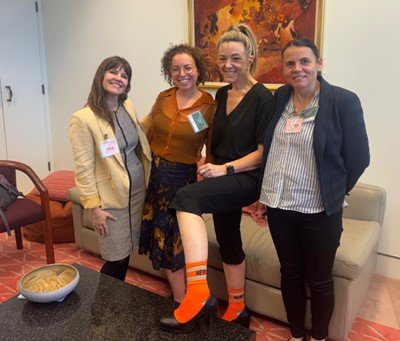
Picture 2: Meeting with Sen. Tammy Tyrell
From left: Dr Kyana Pike, Dr Margo Adler, Sen. Tammy Tyrell and Dr Joanna Melonek.
Foto credit: Benjamin Arja
The second day started early as my meeting with the parliamentarian was scheduled for 8:30 am, so I was asked to arrive at Parliament House at 8 am. I had the pleasure of meeting Senator Tammy Tyrrell, Senator for Tasmania. I was accompanied by Dr Kyana Pike, an early career researcher in Health and Biosecurity, CSIRO and Dr Margo Adler, Founder and Executive Director of Beaker Street, a not-for-profit organisation in Tasmania who runs Beaker Street Festival, a cornerstone of National Science Week. Definitely something to check out if you’re in Tasmania during the Science Week! Margo gifted some ‘nerdy’ socks to Tammy, who happily put them on, as it was actually cold in the office that day.
Day 2 of SMP2026 was filled with more talks and panel sessions, concluding with a final discussion with Prof. The Hon Bill Shorten, who put forward the idea that large Australian companies could contribute more directly to universities and higher education, noting that they benefit from the pool of graduates produced by these institutions.
In addition, it was great to meet familiar faces, including Dr Rebecca Thistlethwaite, research associate in Plant Breeding and Genetics at University of Sydney and my former ANU office neighbour, Dr Alison Bentley, Deputy Director (Science) at CSIRO Agriculture and Food (Picture 3). In particular, it was a lot of fun catching up with my long-time friend Dr Parwinder Kaur, a former researcher at the Institute of Agriculture at The University of Western Australia, who has now shifted her career and become a Member of the Legislative Council for the Upper House of WA Parliament (please see picture in Sajitha’s report). Notably, all three are members of Superstars of Stem ‘a game-changing Australian initiative to smash gender assumptions about who can work in science, technology, engineering and maths’ (https://scienceandtechnologyaustralia.org.au/what-we-do/superstars-of-stem/) which, since 2017, has supported more than 270 female and non-binary professionals in science, technology, engineering, and mathematics, an impressive achievement.
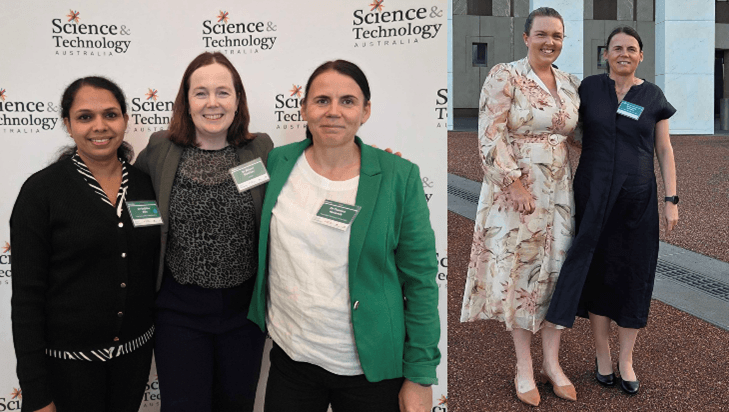
Picture 3
Left picture: Dr Sajitha Biju, Dr Alison Bentley, Dr Joanna Melonek.
Right picture: Dr Rebecca Thistlethwaite and Dr Joanna Melonek.
Overall, my participation in SMP2026 was a great experience and I highly recommend it. It felt good to be in the ‘Heart of Democracy’ and to be reminded, by the discreet sound of a bell, that important decisions were being voted on in the Parliament House as we were having the meeting there. My take-home message from the meeting is to be comfortable being uncomfortable and don’t be afraid to try new things from time to time.
Thank you very much to the Australian Society of Plant Scientists for the opportunity to attend the meeting, to Sajitha for her excellent company throughout and lively discussions on our car rides, and to Science & Technology Australia for organising the event.
SMP report Dr Sajitha Biju (UniMelb)
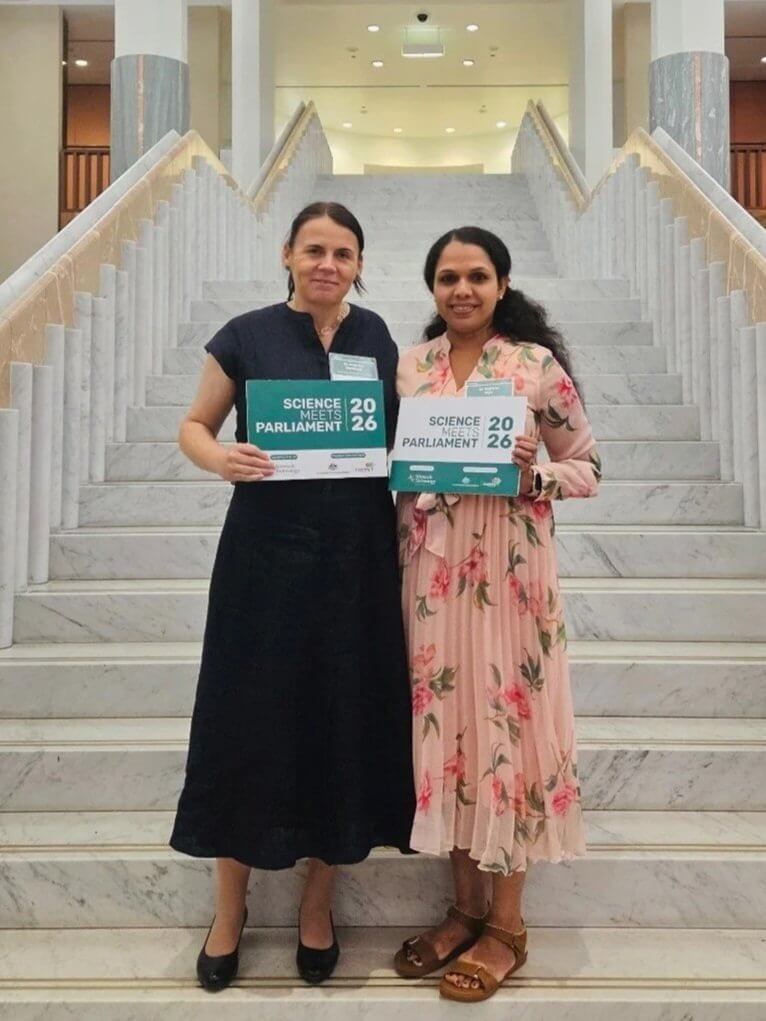
I recently had the wonderful opportunity to attend Science Meets Parliament 2026 in Canberra, representing the University of Melbourne. It was an incredibly enriching experience that provided valuable insights into how science informs policy and how researchers can effectively engage with policymakers.
Throughout the program, I developed a deeper understanding of research translation, science communication, and the importance of collaboration between scientists and the government. The event also helped me build new networks, gain insights into the policy development process, and reflect on how STEM capabilities can improve Australians’ lives and opportunities.
Day 1
Day 1 commenced with the official opening ceremony delivered by Hon Dr Andrew Charlton (MP, Parramatta). This was followed by an engaging panel discussion, “Science Meets the Economy: Bench to Boardroom,” featuring Doug Hilton (CSIRO), Jas Chambers (President, STA), Denise Goldsworthy (an Australian business executive), and Dr Steve Hatfield-Dodds ( an Australian philosophical economist). The session highlighted the growing role of science in business, industry, and corporate governance, and emphasised the need for stronger integration between research and economic outcomes.
After the break, Sarah Tynan (Director of Policy and Government Relations) provided a highly informative session on how legislation is developed and passed in Australia. She explained the roles of parliamentary inquiries, committee hearings, the annual budget cycle, and parliamentary sitting weeks, offering valuable insights into processes that are often not well understood by researchers.
We also heard perspectives on a “day in the life” of a policy advisor, including how inquiries are formed and the behind-the-scenes interactions between scientists, policymakers, and advocates.
A particularly impactful session after lunch focused on the critical role of truth-telling and cultural capability in building meaningful relationships with First Nations communities. Panellists shared their experiences of respectful engagement, reinforcing the importance of cultural understanding in research practice.
The day concluded with a gala dinner, which provided an excellent opportunity to network with parliamentarians, policymakers, and fellow researchers in a relaxed setting.
Day 2
Day 2 began with a parliamentary forum that emphasised the importance of science in Australia’s future. Discussions focused on strengthening the scientific workforce, shaping evidence-based policies, and effectively engaging with politicians to inform decision-making. A session featuring journalists and researchers explored the challenges and opportunities in communicating science to the public, highlighting the importance of clarity, accessibility, and trust. Later, a panel on government operations provided insights into how departments function, how public policy is developed, and the public service’s role in identifying emerging opportunities and supporting ministers with evidence-based advice.
It was also inspiring to hear from Sharath Sriram, Chief Scientist of Western Australia, who spoke about applying STEM skills across diverse career pathways.
The First Nations delegates’ session further explored meaningful collaboration with communities. It highlighted the importance of community-led research and embedding cultural understanding into scientific practice.
Meeting with a Parliamentarian
A key highlight of the event was meeting Hon Tim Watts, Member for Gellibrand, along with fellow scientists. We were warmly welcomed to his office, where his staff provided insights into his daily responsibilities before he joined us.
During the meeting, we presented our research and discussed its relevance to Australia and the types of support needed to sustain impactful research. He showed genuine interest, engaged thoughtfully with our work, and expressed willingness to support initiatives within his capacity. We also learned about his community engagement efforts and international work in cultural exchange and development.
Parliament House Geoscience Tour
In the afternoon, I joined a guided tour of Parliament House led by Senator the Hon Tim Ayres from Geoscience Australia. This session offered fascinating insights into the building’s geological and architectural significance.
It was remarkable to learn that many of the rocks used in the structure date back approximately 420 million years. The use of materials such as white marble from northern Italy, the presence of fossilised corals, and the striking red granite forecourt all contribute to the building’s symbolic and aesthetic significance. The forecourt mosaic, inspired by a painting by Michael Tjakamarra Nelson, was particularly impressive.
This tour highlighted how geology, architecture, and cultural heritage are thoughtfully integrated within Parliament House, making it a truly unique national landmark.
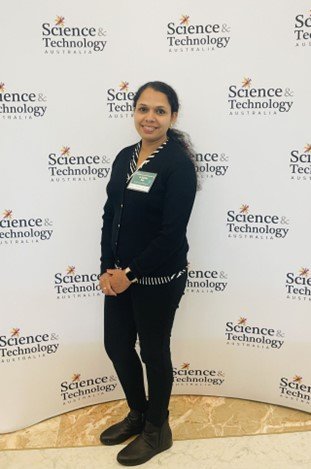
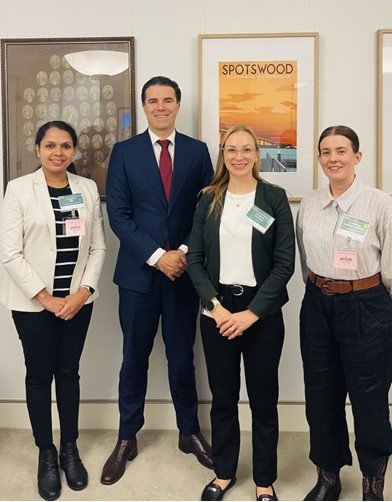
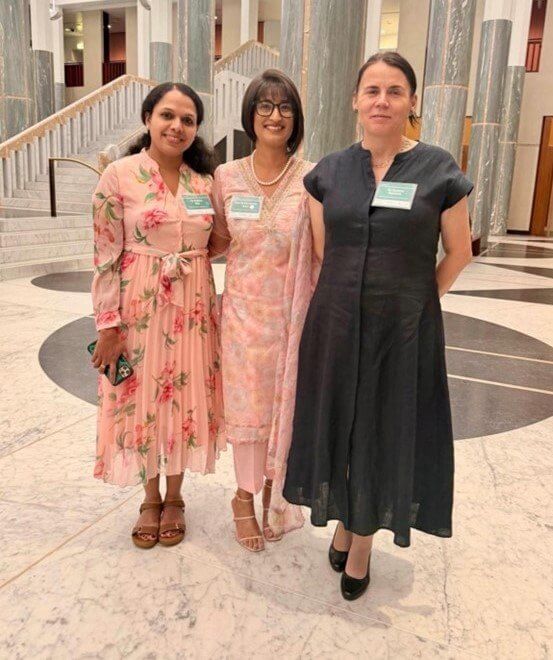
L to R: In the STA banner background, With Hon Tim Watts, MP Gellibrand and other researchers, With Hon Dr Parwinder Kaur MLC and Dr Joanna Melonek (ANU)
Closing Session
The event concluded with an inspiring session, “From Ambition to Action,” delivered by Professor the Hon Bill Shorten, Vice-Chancellor and President, University of Canberra. His reflections encouraged researchers to actively translate ideas into impact and to engage confidently with policy processes.
In summary, Science Meets Parliament 2026 was a highly rewarding experience. It strengthened my understanding of the intersection between science and policy, expanded my professional network, and inspired me to actively contribute to evidence-based decision-making in Australia.
I would like to sincerely thank the Australian Society of Plant Scientists (ASPS) and Science & Technology Australia (STA) for their sponsorship and support, which made my participation possible.
I am also grateful to the parliamentarians and researchers I had the opportunity to meet, including Hon Dr Parwinder Kaur MLC, Hon Tim Watts, and Dr Joanna Melonek. I would like to extend special thanks to Joanna Melonek (ANU) for her support with finding accommodation and transport throughout my stay in Canberra.
I am truly grateful for this experience and look forward to applying these insights in my future work.
ASPS Discipline Representative Contribution
Genetics & Molecular Biology Representative
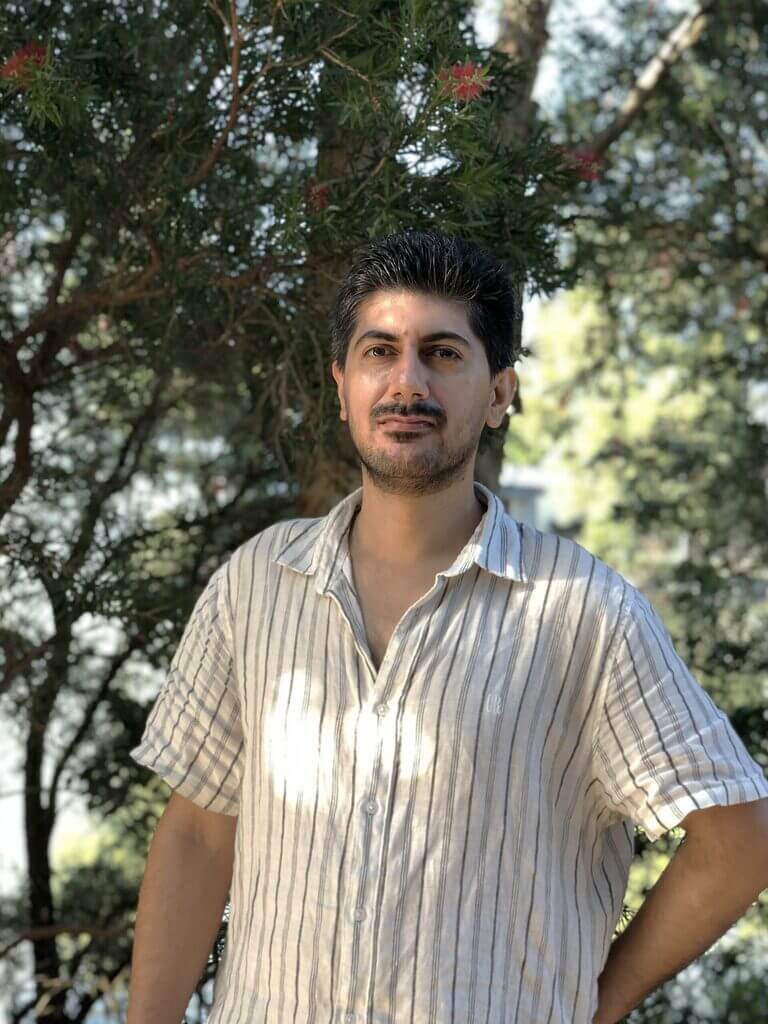
Farhad Masoomi-Aladizgeh
University of Sydney
I am pleased to introduce myself as one of the new Discipline Representatives for Genetics & Molecular Biology with the Australian Society of Plant Scientists (ASPS). I am a plant reproductive biologist and currently a postdoctoral researcher at the University of Sydney. My main focus is understanding the molecular and genetic basis of reproductive success and early grain development under challenging environmental conditions. Despite the importance of reproductive stages in determining yield stability, relatively little is known about how environmental stress disrupts fertilisation and early developmental processes, and how these early perturbations translate into altered grain outcomes in major crops such as wheat and rice.
My research centres on understanding the molecular responses of plant gametes to environmental stress. I use the term “pollenomics” to describe integrated molecular analyses—such as transcriptomics, metabolomics, and proteomics—aimed at understanding how pollen responds to abiotic stress. To conceptually mirror this approach, I use the term “eggomics” to describe system-level molecular investigations of egg development, molecular provisioning, and stress responsiveness.
Successful fertilisation and the formation of healthy grains require the coordinated viability and functionality of both pollen and egg. This requirement aligns closely with my recently proposed Germline‑to‑Grain Response (GGR) framework, which links early reproductive processes with downstream grain developmental traits. My research aims to experimentally test this framework by linking molecular events in reproductive cells to later grain phenotypes that influence grain yield and quality.
Recently, I have focused on applying spatial transcriptomics and spatial metabolomics to understand stress-responsive molecular mechanisms at cellular resolution in plants. These approaches are still emerging in plant science and require substantial species- and tissue-specific optimisation, particularly when compared with mammalian systems, where platforms and workflows are more established. Nevertheless, spatial omics technologies provide exceptional resolution, enabling the identification of which genes, proteins, or metabolites respond, in which tissue, and how they behave.
We have documented our spatial transcriptomics workflow for wheat grain tissues on Protocols.io, providing a practical, reproducible resource for researchers interested in applying spatial analyses to grain tissues. Using this approach, we have demonstrated spatially resolved gene expression patterns localised to distinct grain tissues during early grain development (Figure 1).
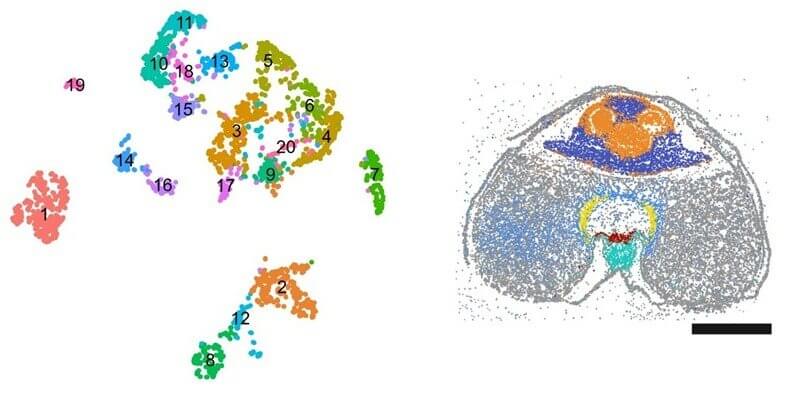
Figure 1. Left, pseudobulk‑derived transcriptional clusters (colour‑coded) shown in reduced‑dimension space. Right, spatial localisation of these clusters projected onto a grain cross‑section, with colours assigned independently based on spatial clustering (colours do not correspond between panels). Scale bar: 1 mm.
Reference
Masoomi-Aladizgeh, F., Ashhurst, T.M., Fraser, J., Dowland, S and Roberts, T.H. 2025. Pushing boundaries: overcoming technical barriers in spatial RNA-seq analysis of developing wheat grains. Protocols.io dx.doi.org/10.17504/protocols.io.5qpvodq47g4o/v1
Reports from Postgraduate Travel Award Recipients
We are pleased to feature more reports from postgraduate students who received ASPS travel awards to attend the Adelaide conference. We will be featuring more reports in upcoming issues through the year.

Gabriella Jessica
University of Sydney
My name is Jessica, a PhD candidate from the University of Sydney, and I had the opportunity to attend the ASPS 2025 conference in Adelaide. I presented a poster as a co-author with my colleague, Daniel, and we had many engaging and insightful conversations with fellow conference attendees. Our poster was also awarded the Student Poster Award, which was a lovely surprise. One of the highlights of the conference for me was the Women in Plant Science breakfast, where I was inspired by hearing about the journeys and diverse career paths in plant science. The social activities were also memorable, particularly the visit to Mt Lofty Botanic Garden, which was a great opportunity to see a wide range of plants while enjoying a nice walk. The conference really broadened my perspective and also reminded me why I enjoy working in plant science.

Lucas Auroux
La Trobe University
Attending ASPS 2025 in Adelaide was excellent for connecting with Australian plant scientists. I presented my single-cell omics research on seed dormancy regulation and received valuable feedback from experts in different fields. The quality of talks and posters was impressive, particularly sessions on plant “New tech and AI”. Networking during coffee breaks and the conference dinner at the National Wine Centre led to potential collaborations. The social activities – McLaren Vale wineries – provided good informal discussion opportunities. The conference strengthened my research direction and expanded my professional network across Australian institutions.
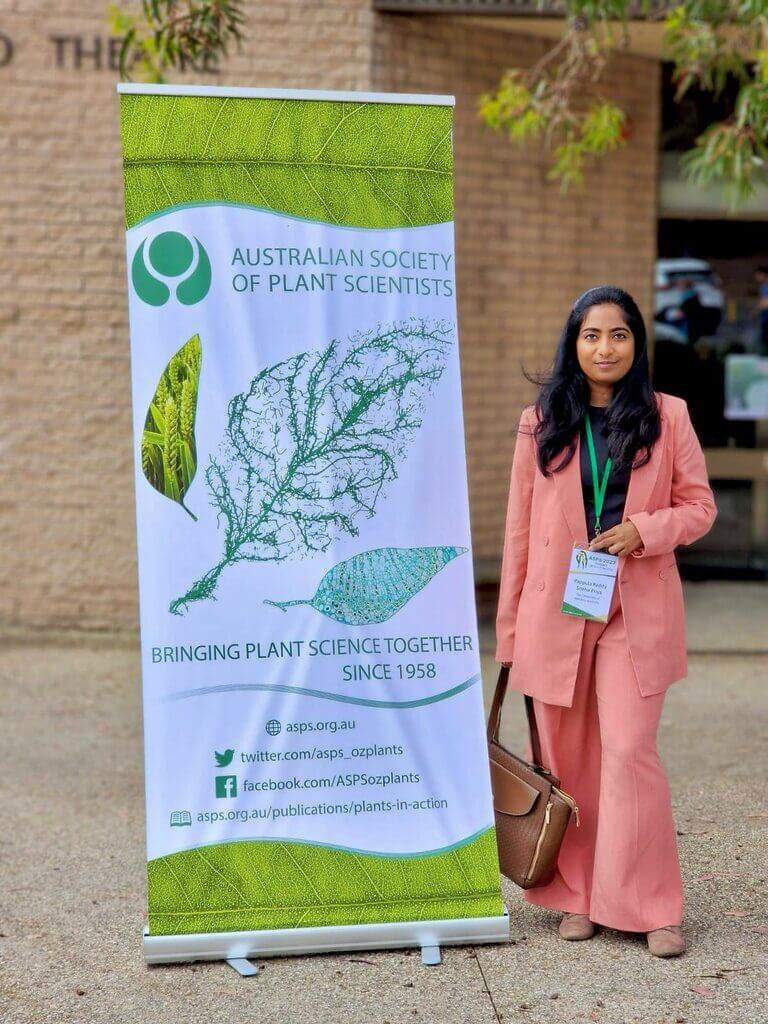
Sneha Reddy
University of Western Australia
I had an incredible experience both scientifically and socially attending the ASPS 2025 conference in Adelaide, made possible by the ASPS travel grant. It was inspiring to connect with fellow plant scientists and explore advances in abiotic stress signalling, AI-driven plant phenotyping, and sustainable crop improvement. The discussions and presentations were truly inspiring, highlighting innovative approaches. The wine tour organised as part of the social activities was the highlight of the Adelaide trip for me. I am sincerely grateful to ASPS for the support, to Crystal Sweetman and the organising team for a fantastic event, and to my supervisors for their guidance in making my work interesting and presentable.
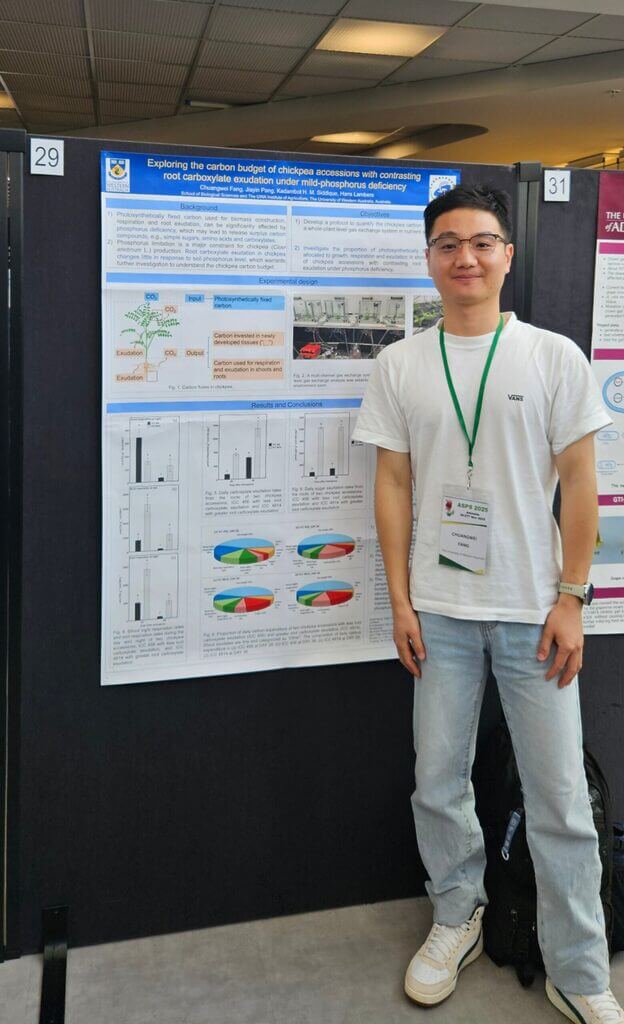
Chuangwei Fang
University of Western Australia
I am honoured to receive the 2025 ASPS Student Travel Award, which allowed me to attend the conference in Adelaide. The conference was great and helped me connect with researchers working on chickpea and other legumes. I’ve learned much about new advances in plant physiology, stress biology, and molecular techniques such as gene screening and editing. I presented my work in a three‑minute poster talk and had inspiring discussions with many professional researchers and PhD students from other universities during the poster and coffee break sessions. These exchanges deepened my understanding of molecular breeding and stress‑resistance genes. After returning, I shared my insights with my group and hope the future ASPS conference will attract more plant physiology researchers.
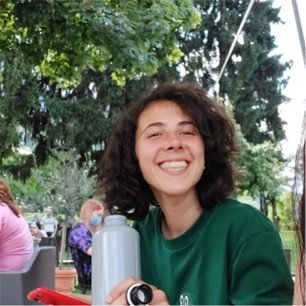
Sabrina De Zen
Australian National University
Attending the 2025 ASPS Conference in Adelaide was a really valuable experience. I really appreciated getting to hear talks both within and outside my field, which were often presented in a way that was easy to follow. I highly enjoyed the poster sessions, which represented a great opportunity to meet people who were interested in my work and have insightful conversations that helped me think about ideas that may be worth exploring further in my PhD. I found the atmosphere to be incredibly friendly, and it was very inspiring to see more experienced researchers and early-career scientists come together to talk about the latest advances in plant science.

Rabiul Alam
Western Sydney University
It was an incredible experience to attend the ASPS conference both scientifically and socially. I had the opportunity to present my Ph.D. research on amylose content in wheat under high temperature stress and receive valuable feedback which will be reflected in my future work. The range of talks from plants in space to strawberry and vineyards of Australia made me motivated to learn more. Lunch sessions were more fruitful for the chance to talk and discuss with research groups from universities around the world. Besides that, the dinner and social gatherings allowed us to foster genuine connections and enjoy the locale. I am grateful to ASPS for the travel award that made this experience possible.
Member News
PhD Completion
Congratulations to ASPS student member Maxim D’Arcy Harding on the successful completion of his PhD at the University of Queensland.
Thesis Title: Protein Engineering for Plant and Microbial Synthetic Biology
This work contributes to the rapidly advancing field of synthetic biology, exploring how protein engineering can be leveraged to enhance plant and microbial systems for future applications in agriculture and biotechnology.
🔗 Thesis link: https://espace.library.uq.edu.au/view/UQ:0c1c1c8
Publication from ASPS student members
Gabriella Jessica
From genes to climate: a perspective on the importance of leaf shape
Journal of Experimental Botany, Volume 77, Issue 2, 12 January 2026, Pages 243–247 https://doi.org/10.1093/jxb/eraf421
🌱 Explores how leaf morphology links genetic regulation with climate adaptation strategies
Lucas Auroux
Advances in seed omics
Journal of Experimental Botany, Volume 77, Issue 7, 2026, Pages 2045–2058https://doi.org/10.1093/jxb/eraf294
🌱 Reviews how multi-omics approaches (genomics, proteomics, metabolomics) are transforming our understanding of seed development, dormancy, and germination, with implications for climate-resilient crops
Xiaolong Feng, Huaikang Jing & Chuangwei Fang
Carboxylate exudation and reproductive efforts are associated with leaf phosphorus-resorption efficiency in chickpea
Journal of Experimental Botany, Advance Article, published 26 February 2026 https://doi.org/10.1093/jxb/erag105
🌱 This study links root carboxylate exudation and reproductive allocation with enhanced phosphorus-resorption efficiency, providing new insights into nutrient-use strategies and productivity in chickpea.
Yunpeng Tao & Xiaowen Fan
Understanding a link between phosphorus deficiency and root carboxylate-driven silicon mobilisation for sustained yield in cultivated and wild barley
Plant and Soil, 2026, Advance Online Publication https://doi.org/10.1007/s11104-026-08336-7
🌱This study explores how phosphorus deficiency triggers root carboxylate exudation and silicon mobilisation, revealing key trait associations that contribute to yield stability in barley under low nutrient conditions.
Yunpeng Tao
Plant growth–promoting bacteria enhance crop resilience through improved nutrient acquisition and stress tolerance mechanisms
Pest Management Science, Wiley, 2026 https://doi.org/10.1002/ps.70762
🌱 This study explores how plant growth–promoting bacteria (PGPB) can enhance crop performance by improving nutrient uptake efficiency and strengthening plant tolerance to environmental stresses, offering promising applications for sustainable agriculture and reduced chemical input systems.
Shuyan Li
Enhanced plant immunity and growth regulation through engineered biological pathways in crops
Plant Biotechnology Journal, 2026 https://doi.org/10.1111/pbi.70611
🌱 This study explores how engineered biological and regulatory pathways can be leveraged to simultaneously improve plant immunity and growth performance, offering promising strategies for developing resilient and high-performing crop systems under environmental stress.
Soumitra Patekar
Seed-delivered dual-action RNA interference for insect protection and modified plant traits
Research Square (Preprint), 2026 https://doi.org/10.21203/rs.3.rs-9195507/v1
🌱 This preprint presents a novel seed-delivery approach for RNA interference (RNAi), enabling simultaneous insect protection and trait modification. The study highlights an innovative strategy for improving crop resilience and functionality through scalable RNA-based biotechnological applications.
Community in Action: SNAGS Networking Evening
Report by Sneha Reddy
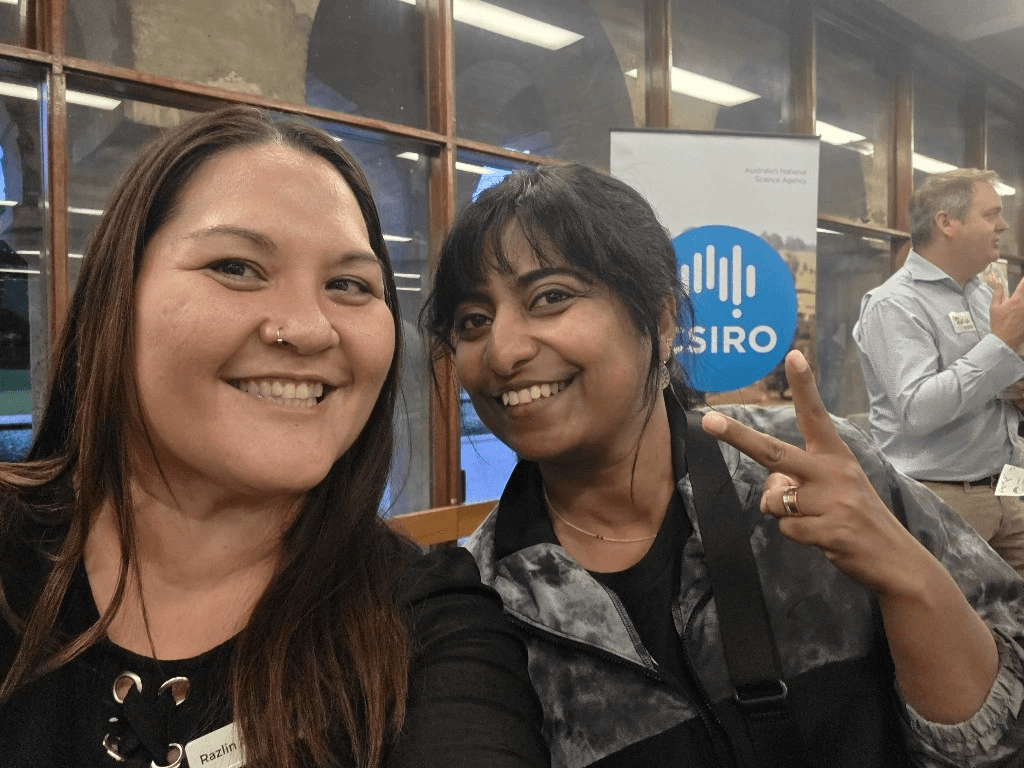
On April 20th, The Students of Natural and Agricultural sciences (SNAGS) of University of Western Australia (UWA) hosted the Meets Industry Networking Evening. The event brought together students and industry representatives for an evening of networking, discussion, and career exploration in science and agriculture.
At the event, CSIRO was represented, where students had the opportunity to engage with researchers, learn about ongoing work, and explore potential pathways into plant science and related fields. The stall attracted strong interest throughout the evening, reflecting continued enthusiasm among students for research and industry careers in this space.
Among the CSIRO representatives was Dr Razlin Azman (Phytogen Co-Editor and ASPS member), who engaged with students in her capacity as a CSIRO postdoctoral researcher based in Perth. Her dual involvement in both research and the Phytogen editorial team highlights the strong connection between active research and science communication within the ASPS community. Razlin was joined by Dr Ben Biddulph, UWA Alumni and Principal Research Scientist at CSIRO.
A photo from the evening captures a meaningful moment of continuity within Phytogen, as the editors met during the event—reflecting the collaborative and evolving nature of the editorial team.
Opportunities
Fascination of Plants Day 2026
May 18, 2026 – Global celebration of plants!
Australian Coordinator: Mary Byrne ([email protected])
Website: https://www.plantday18may.org
Conferences, Webinars & Symposia
- Soil Science Australia 2026 Conference | 1-5th November 2026 | Perth | https://conferenceco-ssa26.eventsair.site/
- Agronomy Australia Conference 2026 | 24-28th August 2026 | Darwin | https://2026agronomy.eventsair.site/
- Australasian Grain Science Association Conference | 26-28th August 2026 | Sydney | Conference – AGSA
- Nordic Oikos 2026 Conference | 14-17 September 2026 | Denmark | https://www.nordicsocietyoikos.org/news/nordic-oikos-2026
- European Agronomy Conference 2026 | 24-28 August 2026 | Estonia | ESA2026
- Saclay Plant Science Symposium | 14-16 October, 2026| France | Website
- SPAA Precision Agriculture Update2026 Australasian Precision Ag Symposium 31 Aug – 1 Sept, The University of Sydney
- The Plant Cell Webinar: Biomolecular Condensates
https://mailchi.mp/4a7489f98b8c/plant-cell-webinar-biomolecular-condensates-celebrating-the-september-2023-focus-issue-on-biomolecular-condensates-9436706?e=07d332ad3f
Skill development
- Waite Soil Pit Day Training (Adelaide U) https://www.trybooking.com/events/landing/1558412
- Optical Microscopy (29th April, 6th May, 13th May) | UWA QEII campus Workshop registration – Optical Microscopy
Funding & Research Opportunities
- NSW Government Emerging Technology Commercialisation Fund (ETCF) 2026
https://web.archive.org/web/20260428165233/https://www.growag.com/opportunity/nsw-government-emerging-technology-commercialisation-fund-etcf-2026 - APPF Postgraduate Internship Awards (PIA Program)
https://www.plantphenomics.org.au/jobs-training/postgraduate-internship-awards-pia-program
ASPS Student Travel Grant 2026
Support for students attending ASPS2026 conference
Deadline: 31 July 2026 Contact: Joseph Pegler ([email protected])
Student Awards & Posters
- RAPB 2026 Posters submission: https://www.rapb-2026.com.ua/
- Crawford Fund Student Awards 2026 https://www.crawfordfund.org/news/2026-crawford-fund-student-awards/
- Australasian Plant Pathology Society Conference Bursary https://appsnet.au/funds/bursary.php
ASPS membership
ASPS membership provides access to Australia’s plant science community and professional development opportunities. Student memberships available at reduced rates.
Benefits:
- Professional networking across institutions
- Conference registration discounts
- Award and travel grant eligibility
- Regular Phytogen updates
Verify membership status and/or Become a Member — Australian Society of Plant Scientists
Editors’ Note
Thank you for reading!
As we ease back into our regular programming, we are reminded of the vibrant plant science research in Australia, and key events such as SMP which serve to bridge science and policy. Not forgetting ongoing research exemplified by our genetics molecular biology representative, numerous publications from our ASPS student members, and member participation student engagement events. Phytogen is a community-driven newsletter, and we welcome contributions from ASPS member students, early- and mid-career researchers, and established scientists at any time. If you have research highlights, opinions, event reports, or field stories to share, we encourage you to get in touch for future issues
Newsletter written & edited by Razlin Azman & Sneha Reddy
We thank the following members for their contributions to this issue:
Joanna Melonek, Sajitha Biju, Farhad Masoomi-Aladizgeh, Gabriella Jessica, Lucas Auroux, Sneha Reddy, Chuangwei Fang, Sabrina De Zen and Rabiul Alam