
Introduction
We begin by sharing highlights from ComBio2026 including best E/MCR talks and student poster winners, and reflections by the 2026 student representatives. We also introduce the new discipline representative elected for 2027, and a report from 2026 RN Robertson Travel Fellowship Awardee Madhoolika Karunakaram (UWA). We wrap up the issue with announcement of 2027 ASPS Awards, and a selection of upcoming international plant science conferences for researchers looking to share their work, build collaborations and connect with the wider scientific community.
We also invite you to explore the latest stories, celebrate the achievements of our community, and continue being part of the conversations shaping the future of plant science in Australia and beyond #AusPlantSci
Connect with ASPS on social media:
Phytogen is a community-driven newsletter, and we welcome contributions from ASPS member students, early- and mid-career researchers, and established scientists at any time. Contributions can be sent to Phytogen co-editors:
ComBio 2026
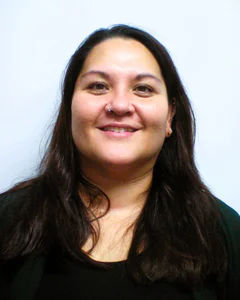
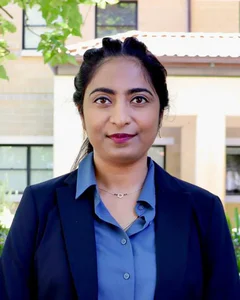
Combio2026 was a great success, bringing together plant science researchers across all career stages, and notable international researchers. Our 2026 ASPS student representatives (Jessica, Daniel, Qinqin and Soumitra) were on photography duties during the conference. You can view and download photos HERE. Jessica, Daniel, Qinqin and Soumitra have also written a combined reflection piece of attending ComBio (see next section). We thank them for their support and contribution to ASPS, Phytogen and the conference.
At the ASPS AGM held during Combio, it was announced that the next ASPS annual conference will be a distributed hybrid event as run previously in 2024, planned for 18 November 2027
Congratulations to the recipients of the Outstanding Early/Mid-Career Researcher (E/MCR) Talks and Outstanding Student Posters. These awards recognise outstanding research presentations and the contributions of emerging researchers to plant science. All prizes for outstanding E/MCR talks were funded by Springer Publishing-Plant and Soil
Outstanding E/MCR talks
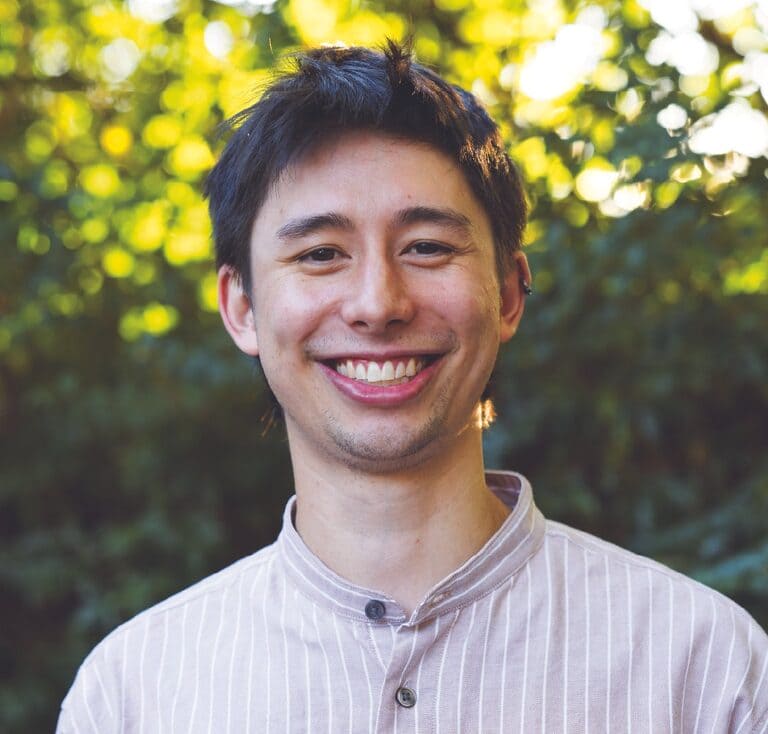
Oscar Carey-Fung
“Genome editing of an upstream open reading frame alters abiotic stress tolerance and grain morphology in bread wheat”
Uni Melbourne
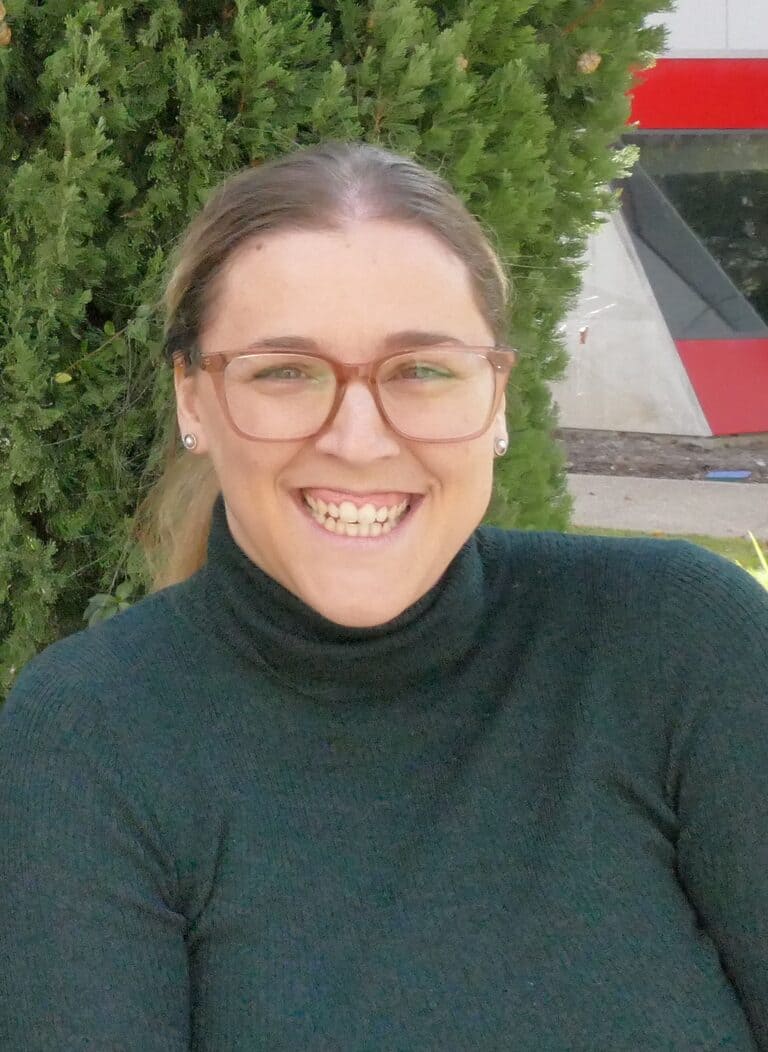
Annamaria De Rosa
“Harnessing the function of plant nutrient transporters for developing novel nutrient-selective biomimetic membrane technologies”
ANU
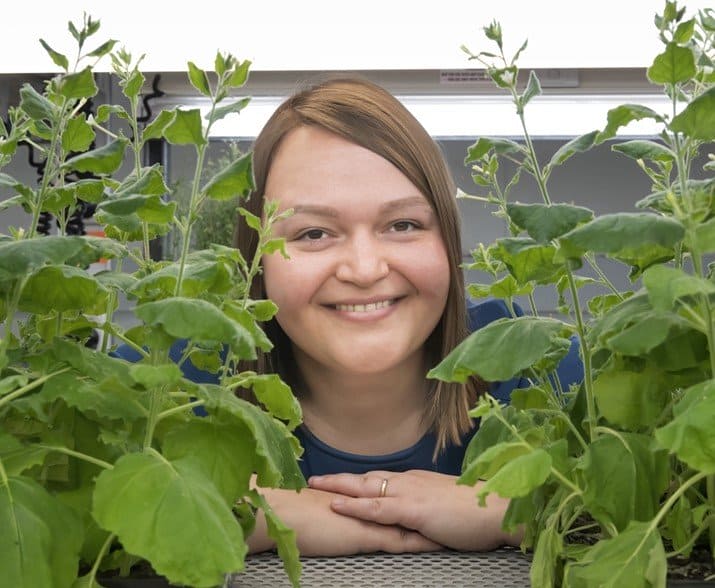
Maria Ermakova
“Few amino acid changes in a regulatory protein underpinned faster photoprotection and the evolutionary success of grasses”
Monash Uni
Outstanding Student Posters
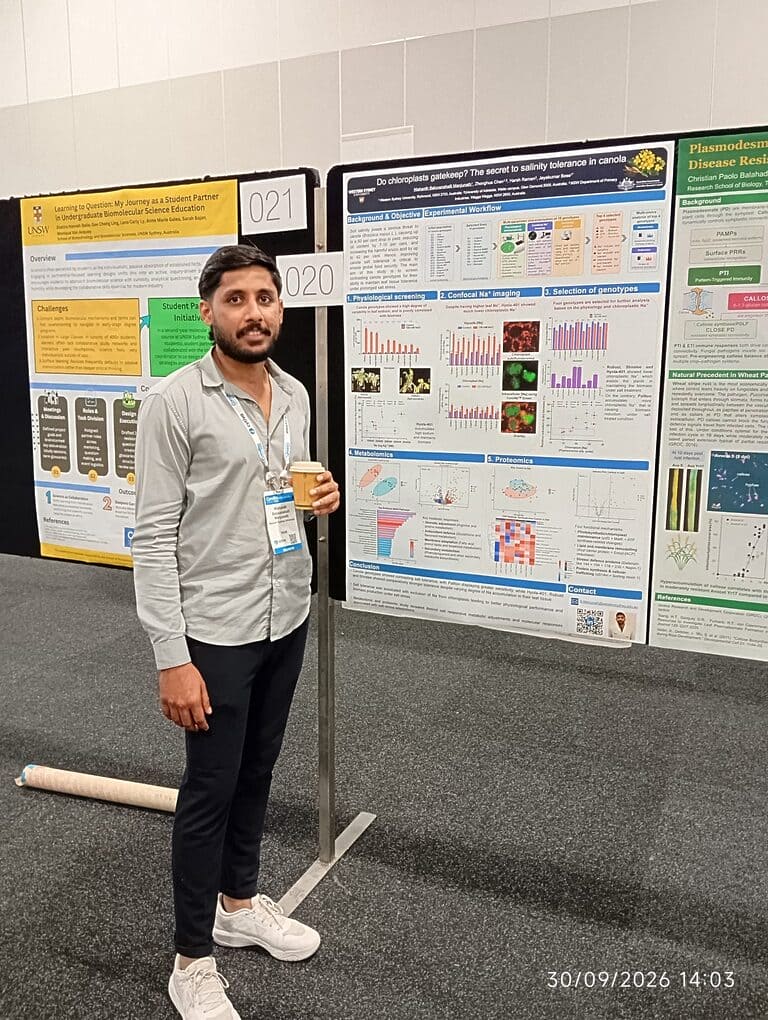
Nishanth Baluvanahalli
“Do chloroplasts gatekeep? The secret to salinity tolerance in canola”
Award support: New Phytologist Foundation
WSU
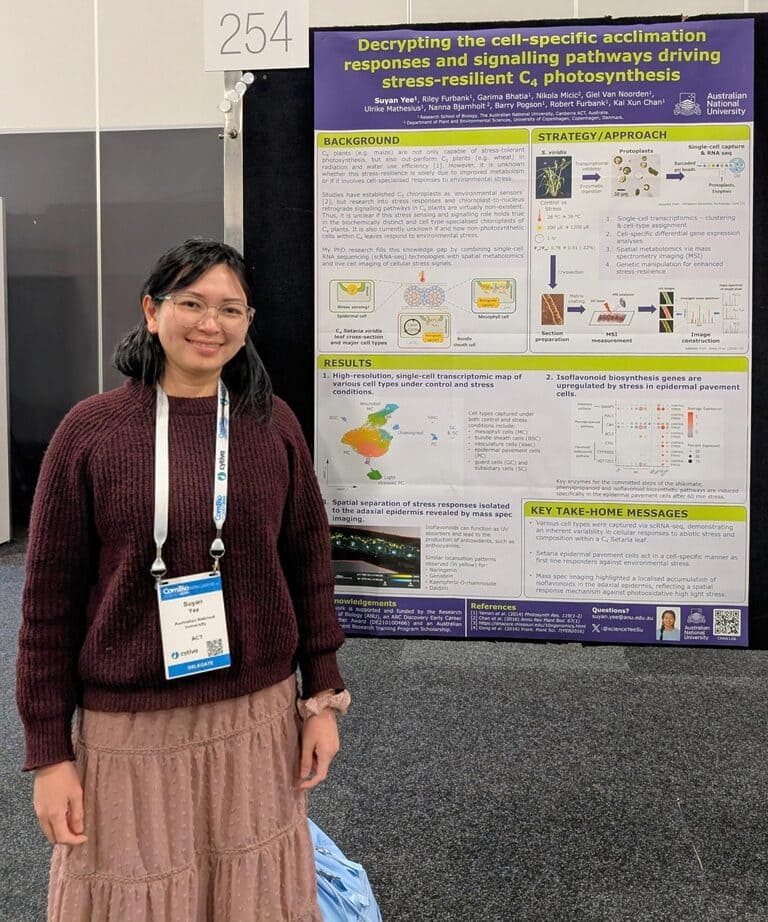
Suyan Yee
“Decrypting the cell-specific acclimation responses and signalling pathways driving stress-resilient C4 photosynthesis”
Award support: New Phytologist Foundation
ANU
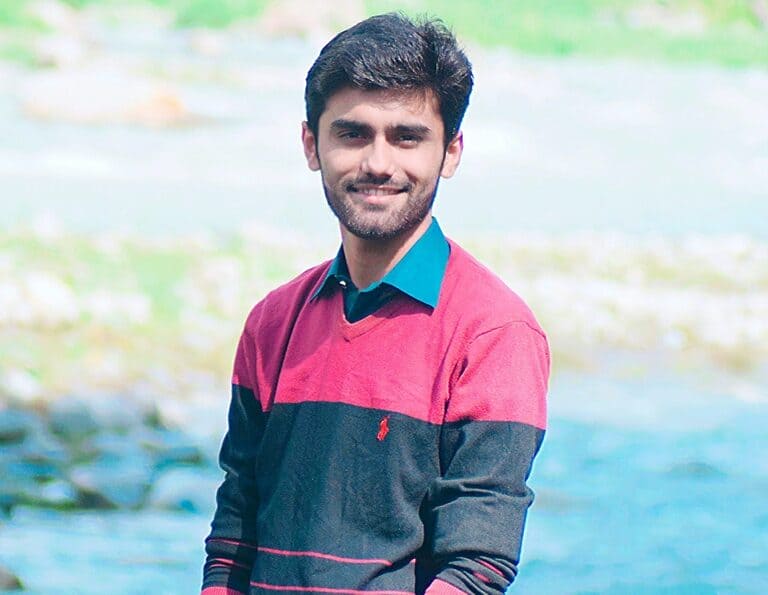
Baber Ali
“Peptide signalling enhances nitrogen use efficiency (NUE), yield, and grain protein in wheat (Triticum aestivum L.)”
Award support: Waite Research Institute
WSU
ComBio 2026: Four Perspectives on Science, Growth, and Community
ComBio 2026 brought together researchers, academics and students from across biological sciences to share discoveries, exchange ideas, and build connections. For us, the ASPS student representatives, the conference offered more than an opportunity to learn about scientific research. It was also an opportunity to gain new perspectives, reflect on our research and personal journey of growth, and connect with people passionate about science.
by: Gabriella Jessica, Soumitra Patekar, Daniel Wallis, and Qinqin Yang,
ASPS Student representatives, 2025-2026
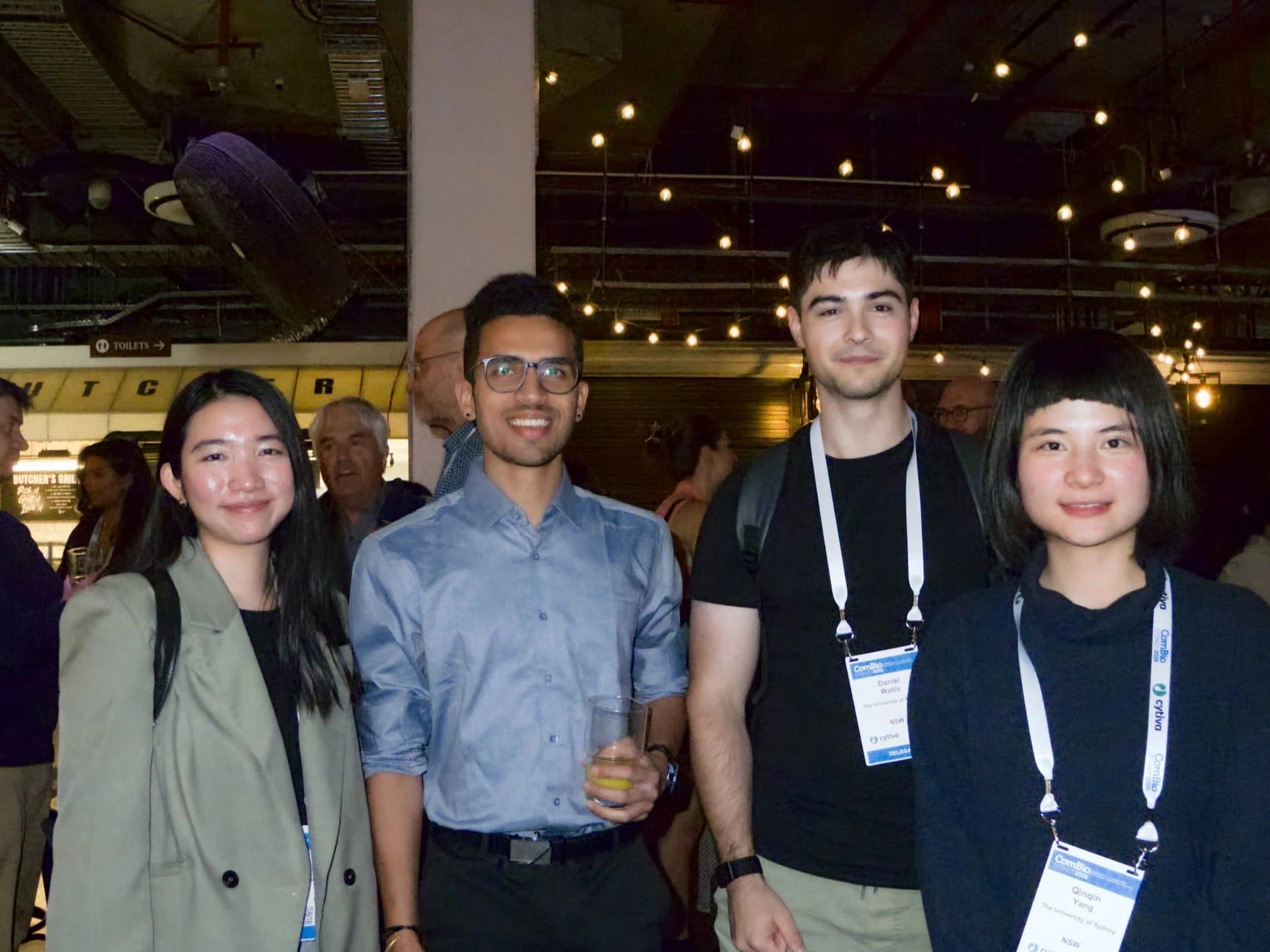
(L to R): Gabriella Jessica, Soumitra Patekar, Daniel Wallis, and Qinqin Yang (right), at ASPS social event during ComBio 2026
Beyond the Science: Growing as a Researcher (Gabriella Jessica)
ComBio 2026 was a wonderful experience that went beyond sharing scientific research and attending sessions. It was a valuable opportunity to connect with fellow ASPS student representatives and discipline representatives, exchange ideas, and build connections with people who share a passion for plant science.
One of my favourite parts of the conference was discovering the incredible diversity of research within plant science. Although researchers investigate different questions, systems, and processes, I was fascinated by how interconnected the research is and how different areas of research can contribute to a broader understanding of plants. Presenting my poster was another highlight of the conference. It gave me the opportunity to share my PhD research, discuss my findings, and learn from the questions and perspectives of other researchers.
Beyond the science, one of the most meaningful parts of ComBio 2026 was receiving advice and encouragement from fellow researchers, not only about navigating my career but also about life beyond research. These conversations reminded me that being a scientist is not just about publications, experiments, or career milestones, but also about personal growth and the people we meet along the way. I feel so grateful for these experiences!
A Broader Perspective on Research (Soumitra Patekar)
I am Soumitra Patekar, a PhD student at the Centre for Agriculture and the Bioeconomy, Queensland University of Technology, Brisbane. I had a great time at this year’s ComBio conference, held at the ICC, Sydney from September 29th to October 1st, 2026, and returned with several key takeaways.
The conference was a great learning experience offering a wide range of scientific disciplines and breadth of information that was covered over the three days. As an HDR student and aspiring researcher, it was a great platform to gain insights into current discoveries beyond my own area of work. It was also a good opportunity to access, interact and connect with leading distinguished researchers and academic personnel. From a tech perspective, the industry and vendors hub allowed me to learn about emerging products in the commercial space. The conference organisation was appreciable, especially the mobile app feature, which let me quickly review researcher biographies and easily track how the conference was progressing at each point.
Over the three days, I was able to professionally engage with several national and international scientists from different disciplines. The ComBio conference provided a broad stage to convey my research to people from other spheres of science as well. This gave me new insights and feedback after my flash talk and poster presentation. Most importantly, the questions asked by some of the participants have helped me examine the scope and address challenges in my own research.
The Value of Being in the Room (Daniel Wallis)
I was able to meet a diversity of other students as well as researchers at ComBio 2026. I had the privilege of learning about their experiences and careers in science. This conference also provided the opportunity to meet other ASPS student and discipline representatives in-person, which was wonderful.
One of the highlights of the conference was how actively everyone participated in the event which established a sense of community. The presentations were engaging and received questions from a diversity of interested audience members. Break-time was lively and full of discussions and introductions between individuals and groups. Students and academics from various fields took time to appreciate the work of those outside their niches.
Attending ComBio 2026 was a rewarding experience and I learned a lot about current science, what careers in science can be like, and the different journeys it can take you on. I believe that these experiences at ComBio are invaluable and have contributed toward both my personal growth and development as a PhD student.
Bringing the ASPS Community Together (Qinqin Yang)
ComBio 2026 brought together researchers, academics and students from across the biological sciences to share research, exchange ideas and build connections. As ASPS student representatives, we reflect on both the scientific highlights and the people who made the conference memorable.
The diverse scientific programme spanned plant biology, cell and developmental biology, biochemistry, RNA biology and systems biology. Through plenary presentations, symposia and poster sessions, we explored emerging research, discovered approaches beyond our own areas of study and gained new perspectives on complex biological questions. The programme also highlighted the value of interdisciplinary thinking and collaboration in advancing scientific research.
Beyond the scientific sessions, one of the most meaningful aspects was connecting with ASPS student representatives, discipline representatives and other committee members. For some of us, this was the first time meeting in person, making it special to turn familiar names and online conversations into face-to-face connections. We shared our research experiences, learned about each other’s work and appreciated the diverse perspectives within the ASPS community. These connections continued at the ASPS Cocktail and Food Evening, which provided a relaxed setting to catch up with fellow members, meet new faces and strengthen relationships beyond the conference sessions. It was a welcome opportunity to celebrate our shared interest in plant science and enjoy time together as a wider community.
ComBio 2026 reminded us that conferences are about more than presenting research and exchanging scientific ideas. They also bring people together, fostering friendships, professional networks and mutual support. Although our research projects and academic paths may differ, we are part of a community united by our interest in plant science. The conversations and relationships formed during the conference can continue beyond the event, supporting future collaboration and helping us stay connected as part of the wider community.
Welcome new ASPS Representatives
At the 2026 AGM held during Combio2026, new discipline representatives were selected for Cell Biology, Plant-Microbe Interactions (2), Diversity and Inclusion, Plant Science Education and Plants and Environment. The new discipline representatives will commence their roles on 1st January 2027. We’re delighted to welcome Dr Lucas Auroux (Cell Biology, La Trobe), Dr Eleanor Imlay (Diversity and inclusion, Adelaide U), Dr Maxim Prokchorchik and Dr. Francine Perrine Walker (Sydney Uni, Plant-Microbe Interactions), Associate Prof Claudia Keitel (Plant Science Education, Sydney Uni) and Dr Bo Xu (Plants and Environment, Adelaide Uni) as new discipline representatives. We also welcome Suprikesh Kadlag (Murdoch Uni) as our new student representatives for 2027.
On behalf of the Society, we would like to thank outgoing discipline representatives for their contribution and support: Dr Sunita Ramesh (Diversity and Inclusion), Dr Ronan Broad (Plant-Microbe Interaction), Robert Sharwood (Plant Science Education) and Dr Lim Chee Liew (Cell Biology).

Dr Lucas Auroux
Cell Biology
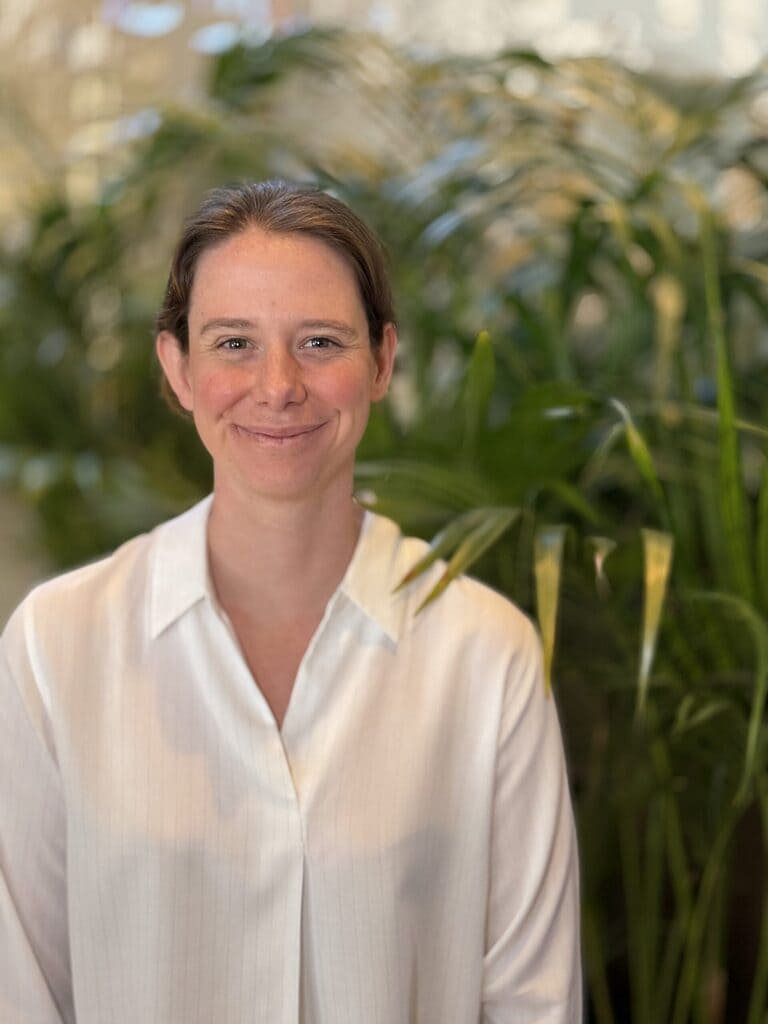
Dr Eleanor Imlay
Diversity and Inclusion

Dr Maxim Prokchorchik
Plant-Microbe Interactions
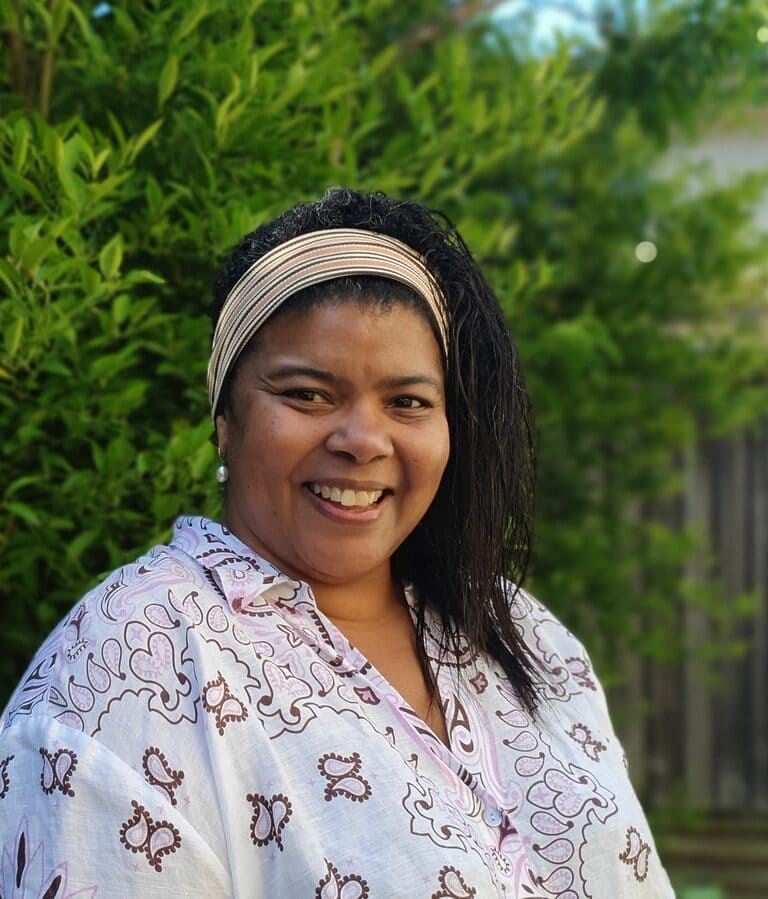
Dr. Francine Perrine Walker
Plant-Microbe Interactions
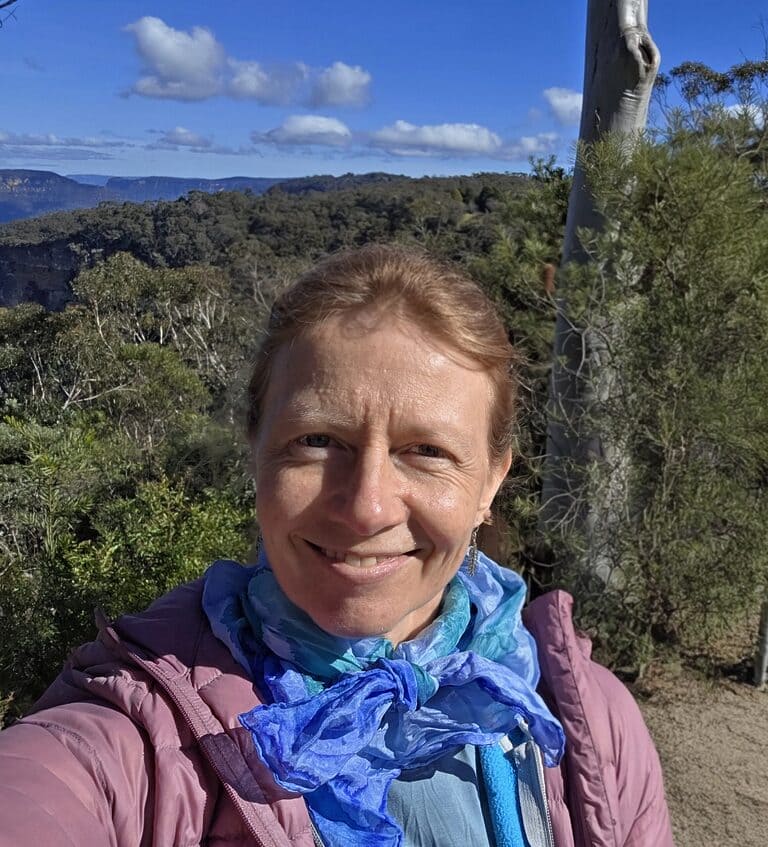
A/Prof Claudia Keitel
Plant Science Education
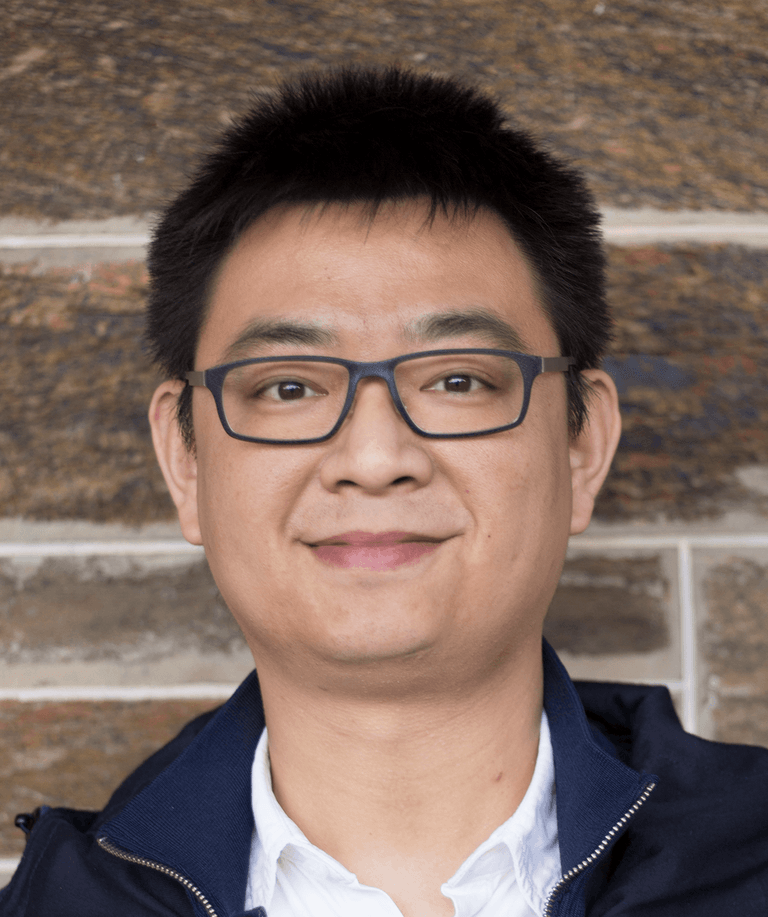
Bo Xu
Plants and the Environment
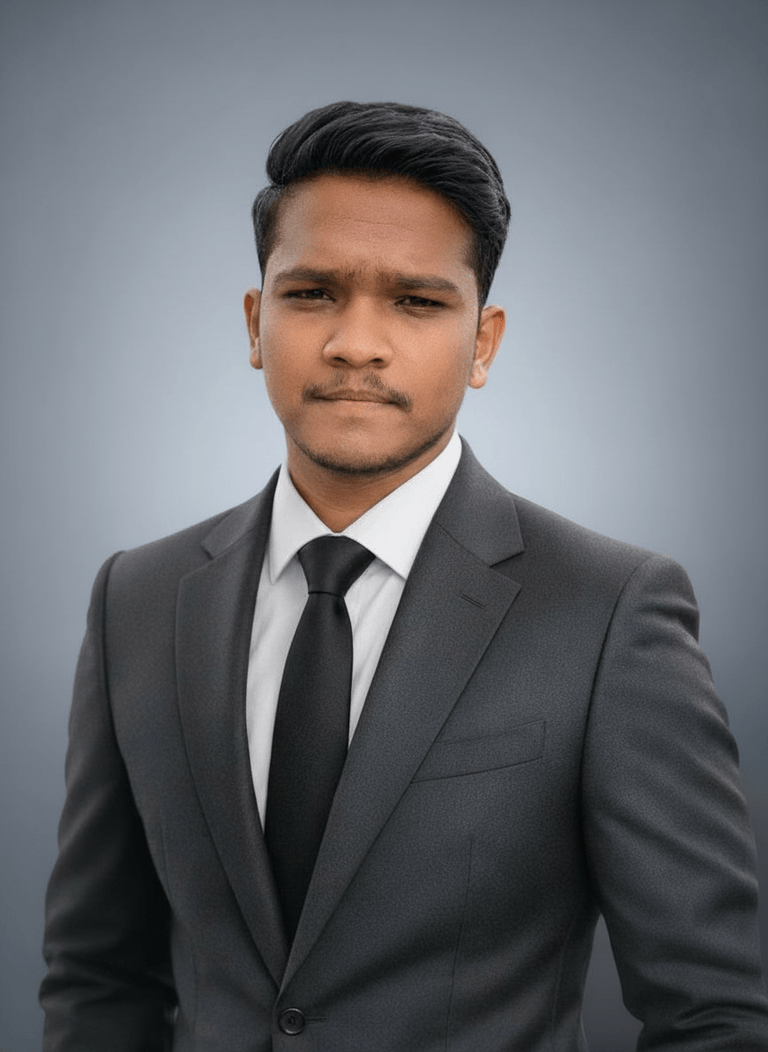
Suprikesh Kadlag
Student Representative
2026 Award Winners
2026 RN Robertson Travel Fellowship
A botanist’s evolution into a bioinformatician
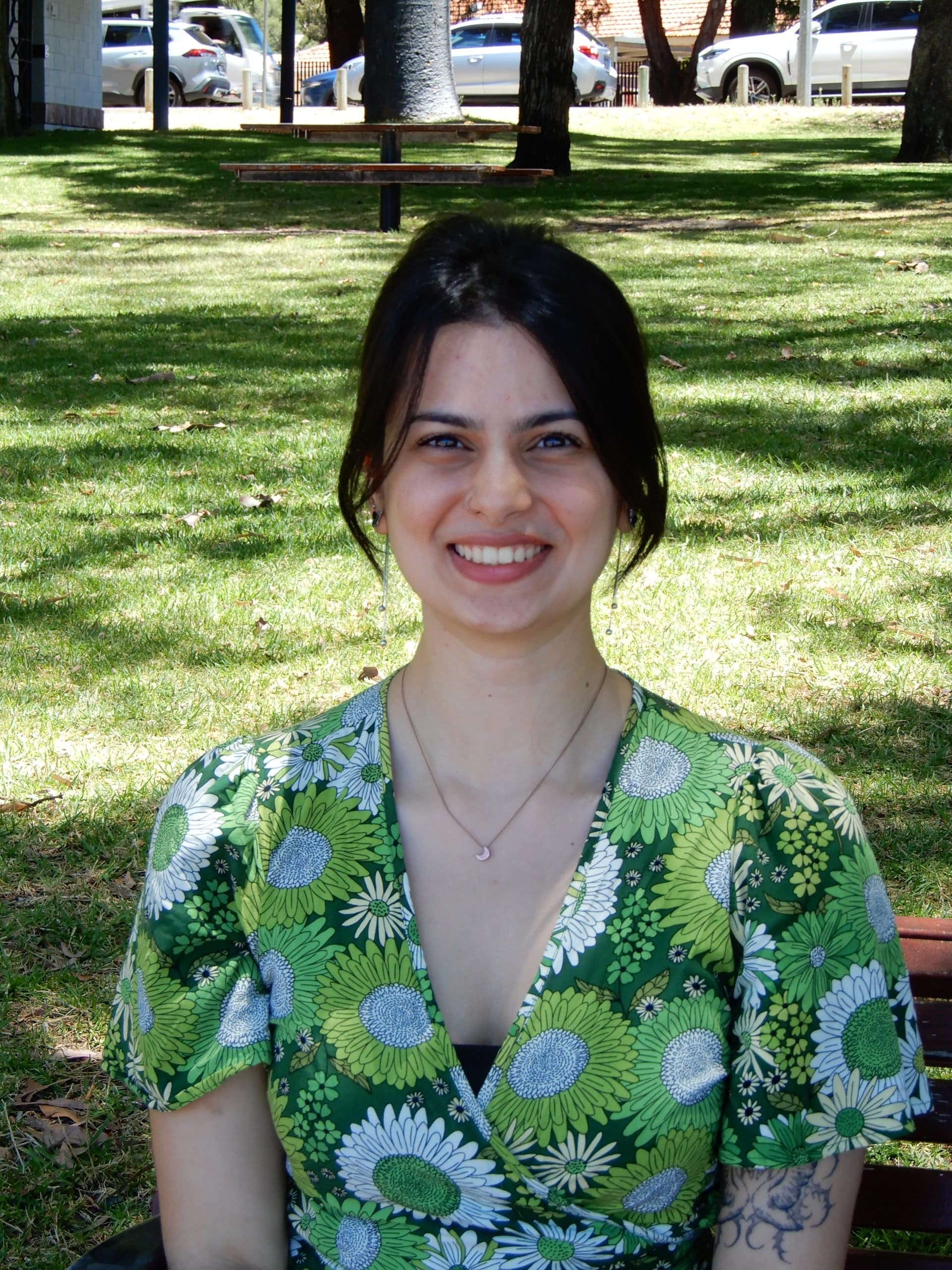
by: Madhoolika Karunakaram
University of Western Australia | LinkedIn
Researching biological systems requires integrating knowledge from multiple disciplines. My PhD examines the molecular mechanisms enabling the evolution of C4 photosynthesis, focusing on the Australian native grass genus Neurachne. C4 phenotypes have evolved from ancestral C3 photosynthesis independently over 70 times across plant lineages. The repeated evolution of C4 phenotypes occurs through an accumulation of changes to anatomy as well as enzyme expression levels and patterns. These adaptations allow C4 plants to display improved photosynthetic efficiencies in arid environments compared to C3 plants. Studies investigating these remarkable adaptations range from examining changes at a scale as small as the sub-organellar level all the way through to community-level interactions in ecosystems. And these studies, of course, require the intersection of perspectives and insights from many disciplines: anatomy, biochemistry, genetics, taxonomy, physiology, ecology, to name a few.
Along my research journey studying C4 evolution, I have had the fortune to be exposed to techniques from various disciplines: from using immunohistochemistry and spatial transcriptomics techniques which combine microscopy, histology, biochemistry, and genetics, to using taxonomy, biogeography, and botany to name and describe a new species. Thanks to the RN Robertson Travelling Fellowship, I was able to visit Germany to further my skills in bioinformatic analyses, a technique which melds biology with computer science.
My genus of interest Neurachne is the only known grass group that comprises discrete C3, C3-C4 intermediate, and C4 species, making it an excellent model to examine the stepwise evolution of C4 phenotypes within one lineage. Neurachne is endemic to Australia, and our lab group is the only one in the world with a collection of living Neurachne plants spanning the C3 to C4 evolutionary spectrum. My project uses a range of multi-omics techniques to understand the changes to genes and gene regulation enabling the rise of C4 syndromes within Neurachne. One aspect of this research involves comparing genomes and epigenomic modifications at the whole-leaf level in C3 Neurachne lanigera and C4 N. muelleri.
To learn how to perform the bioinformatic analyses essential for these aims of my project, I visited Andreas Weber’s and Björn Usadel’s labs. Both labs use a range of multi-omics techniques to investigate different aspects of plant biology, with the Weber lab focusing on the evolution of C3-C4 intermediate and C4 photosynthesis across multiple plant lineages, and the Usadel lab focusing on developing and using tools for analysing complex plant genomes. Luckily for me, our lab has been in collaboration with these labs, both of which are located in Heinrich Heine University, Düsseldorf, Germany.
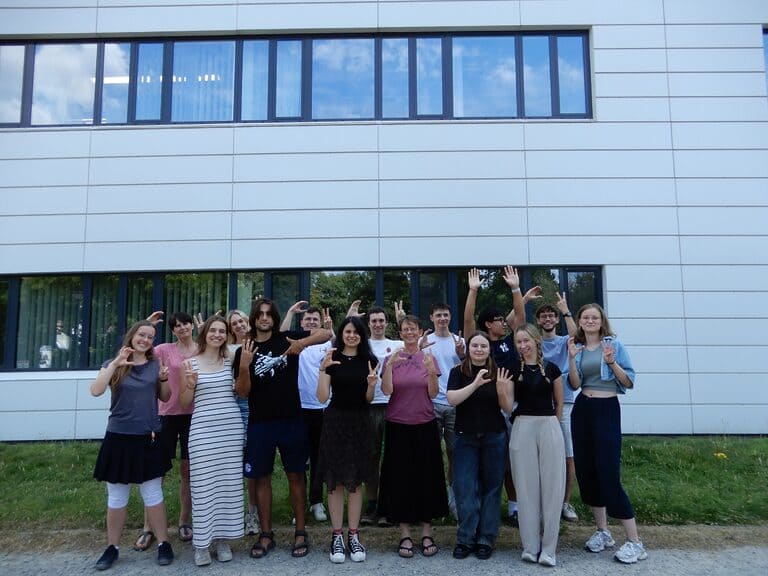
Madhoolika with members of Weber lab demonstrating what their favourite photosynthetic pathway is (C3, C2 or C4)
I began my visit in the Weber lab working with Tim Blank on cleaning up the raw genome assemblies that the Usadel lab had kindly prepared and provided to us. Under Tim’s excellent tutelage, I learned how to polish raw assemblies by removing duplication artefacts, organellar genomes, and contamination from other organisms. We then reannotated the assemblies to finalise a reference genome for C3 N. lanigera, a diploid species. But unfortunately, the genome polishing for C4 N. muelleri, a tetraploid species, was a different story. Due to time constraints, we were unable to complete finalising the reference genome for pesky N. muelleri with its high levels of heterozygosity during my visit. But thanks to my training, I will be able to continue working on N. muelleri back in Australia. I also received training and guidance on how to compare genomic features such as protein synteny and transposable elements between the two genomes once they are both polished (more homework to do in Australia!).
The polished reference genomes are instrumental for examining the changes to epigenomic features. In collaboration with the Usadel lab, I was able to begin the preliminary work on analysing genome-wide methylation patterns and accessible chromatin regions. Thanks to this visit, I had the opportunity to meet with our collaborators from the Weber and Usadel labs face-to-face. I gained an appreciation for the art of bioinformatics; in many ways, it is similar to wet lab work in its iterativeness and need for troubleshooting. Though the beasts in need of wrangling are more along the lines of errors in naming directories or failed package installations rather than broken coverslips or degraded RNA, all research involves some measure of pulling out your hair in frustration.
During my visit to Düsseldorf, I had the opportunity to attend a three-day workshop hosted by the German Network for Bioinformatics Infrastructure (de.NBI) held in the nearby town of Bielefeld, a town that is definitely real and definitely exists (see https://en.wikipedia.org/wiki/Bielefeld_conspiracy for more). This workshop helped give an overview of the many ways in which genomes can be prepared, and helped me contextualise the methods I was using when working on my own genomes.
To keep up the theme of merging various skills during one trip and furthering my own evolution as a scientist, I was able to expand my science communication and networking skills by presenting a poster at none other than the C4 60: From Kranz to Crops Satellite Meeting held in Lancaster, UK. I truly enjoyed my time at this meeting, who wouldn’t enjoy three days of talking C4 shop! I had the fortune to meet many of the titans who established the field of C4 research as well as early and mid-career researchers who are taking the field to new heights. And of course, I was pretty pleased having won a runner-up best poster award.
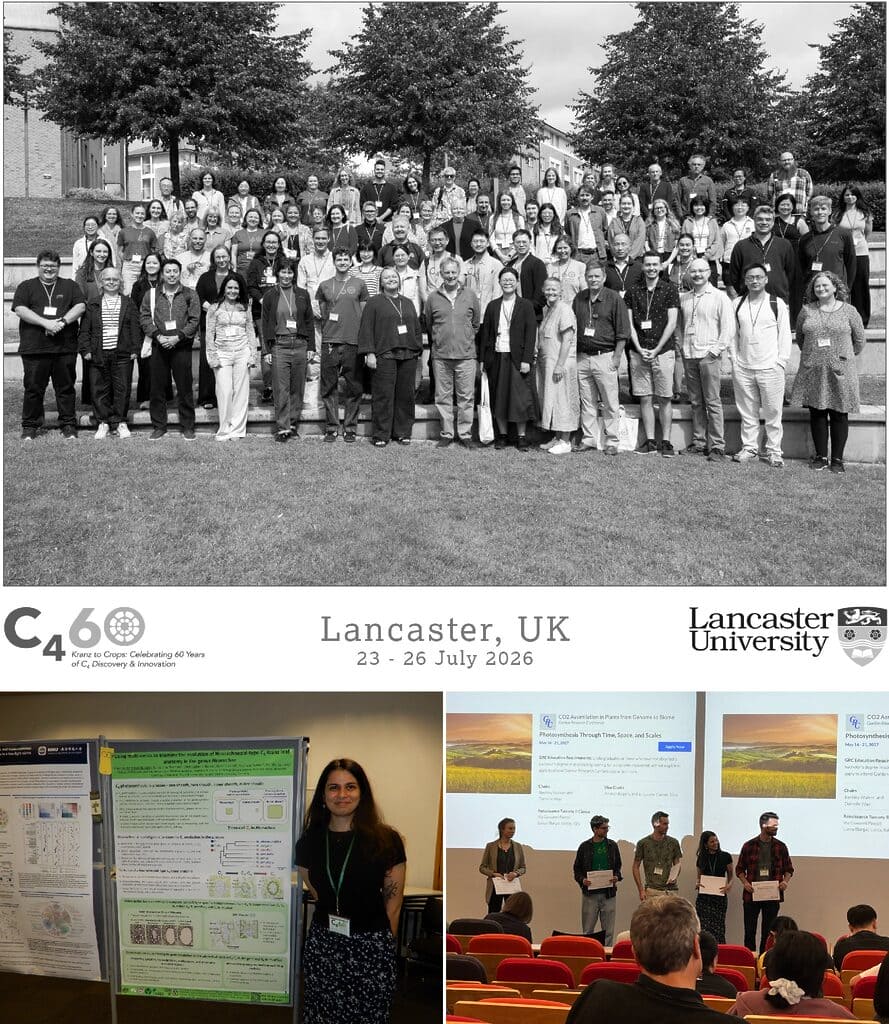
C4 60 Satellite Meeting group photo with attendees (top), Madhoolika with her poster (bottom left), and poster and talk award winners (bottom right)
The most enjoyable part of my experience was all the researchers I got to engage with and through them, all the new science I got to learn about. I am grateful to Andreas Weber and Björn Usadel for hosting me. A huge shoutout to all the members of the Weber and Usadel labs, especially Tim, Hanna, and Luis, for helping me feel welcome and teaching me so much (from European politics to biogeography to CAM photosynthesis to equinology!). Thank you to my supervisor Martha Ludwig for her constant encouragement and support without which this trip would not have been possible. And of course, a big thank you to ASPS for the RN Robertson Travelling Fellowship. This trip was also supported by the Company of Biologists Travel Grant, and the Graduate Research School, University of Western Australia.
2027 open
Nominations for 2027 ASPS Awards are now open!
The following 2027 awards are now open for application. Deadline for all is 12th March 2027.
Application instructions and further details can be found on each award page. Awardees of the Peter Goldacre, Jan Anderson and Education and Outreach will be invited to present at next year’s ASPS annual conference
Opportunities
Conference, Webinar, Symposia
1. Plant Biology 2027 — American Society of Plant Biologists (ASPB)
Areas of interest: Plant physiology, photosynthesis, molecular biology, genetics, plant development and responses to environmental stress. A major annual meeting with an international research community.
31 July – 3 August 2027
Albuquerque, New Mexico, USA
Abstract and travel-award opportunities are listed on the official website.
2. Iberian Plant Biology 2027 — Spanish and Portuguese Societies of Plant Biology
Areas of interest: Whole-plant physiology, molecular and cellular biology, plant–environment interactions and environmental and agricultural challenges. Particularly relevant to plant stress physiology and crop resilience.
1–4 June 2027
Granada, Spain
Check the official website for abstract submission and registration announcements.
3. Plant Biology Europe 2027 — FESPB and Austrian Society of Plant Biology
Areas of interest: Plant science, single-cell multi-omics, artificial intelligence, modelling, food security and plant biology research. Organised by the Austrian Society of Plant Biology in scientific cooperation with the Federation of European Societies of Plant Biology.
17–20 August 2027
Vienna, Austria
Pre-registration information is available on the conference website.
4. International Congress of Plant Molecular Biology (IPMB 2027)
Areas of interest: Plant genomics, molecular biology, biotechnology, genetics and the mechanisms that control plant growth and stress responses. The 2027 congress is organised by established Chinese scientific societies and research institutions.
17–22 October 2027
Wuhan, China
Check the official website for registration, abstract submission and programme details.
5. Plant and Animal Genome Conference (PAG 34)
What it is about: Crop genomics, quantitative genetics, molecular breeding, bioinformatics and genetic resources for crop improvement. Although professionally organised rather than directly society-run, it is an established specialist meeting with a substantial scientific community.
8–12 January 2027
San Diego, California, USA
Check the official website for registration and presentation opportunities.
Get Involved with ASPS
Life & Corresponding Membership
Life Membership
Life Membership of the Australian Society of Plant Scientists recognises an outstanding and sustained contribution to the Society by a longstanding ASPS member who, through their professional activities, has substantially enhanced the international profile of Australian plant science research.
Nominations for ASPS Life Membership can be made at any time to the Honorary Secretary (Mary Byrne [email protected]). A one-page summary addressing the above criteria must accompany the nomination.
Corresponding Membership
Corresponding Membership of the Australian Society of Plant Scientists recognises overseas colleagues, with a high profile of research achievement in any field of plant science, who have a strong track record of successfully contributing to and promoting plant science research within Australia.
Nominations for ASPS Corresponding Membership can be made at any time to the Honorary Secretary (Mary Byrne [email protected]). A one-page summary addressing the above criteria together with a curriculum vitae of the applicant must accompany the nomination.
Editors’ Note
Thank you for reading!
From exploring the molecular evolution of photosynthesis to celebrating emerging researchers and strengthening our scientific community, this issue reflects the diversity and collaborative spirit of plant science. We hope you enjoy reading, celebrating and connecting with us!
We thank the following for their contributions to this issue: Gabriella Jessica, Daniel Wallis, Qinqin Yang, Soumitra Patekar, Madhoolika Karunakaram, Combio2026 winners Oscar Carey-Fung, Annamaria De Rosa, Maria Ermakova, Nishanth Baluvanahalli, Suyan Yee and Baber Ali, and new discipline representatives Lucas Auroux, Eleanor Imlay, Maxim Prokchorchik, Francine Perrine Walker, Claudia Keitel, Bo Xu and Suprikesh Kadlag.
We also thank the ASPS executive for their continued support of Phytogen.
Newsletter written & edited by Razlin Azman and Sneha Reddy