
Welcome to the October 2025 edition of Phytogen!
We have a packed issue this month as we are nearing the 2025 ASPS Conference in Adelaide meeting on 24-27 November, announce the winners of the ASPS awards, celebrate four Australian Plant Scientists recognized with Young Tall Poppy Science Awards, feature contributions from Sunita Ramesh, the ASPS Diversity and Inclusion Rep, student representatives Katie Schleyer (SA), Alexandra Cunningham (SA), and Alistair Hockey (WA), as well as a report from PhD student Callum Hayes on his R.N. Robertson travelling fellowship. A new social event for the conference is the inaugural Women in Plant Science Breakfast on 25th November hosted by Alison Bentley and Ali Gill.
There are also a number of ASPS Committee positions open if you are keen to get more involved with the Society. These are volunteer positions but they come with great opportunity to network and acquire new skills.
Connect with ASPS on social medias for the latest news and updates: LinkedIn: Australian Society of Plant Scientists; BlueSky: @asps-oz.bsky.social
Join the conversation using #AusPlantSci and #ASPS2025 (for the conference). Tag us in your posts to help us promote your science! Phytogen contributions will also be featured on our social media pages.
We welcome contributions from students, EMCRs and established researchers. Contact editors Raz ([email protected]) or Lucas ([email protected]).
ASPS Committee Positions & Opportunities
The following ASPS positions are now open for applications. These volunteer positions offer opportunities to shape ASPS direction and support Australia’s plant science community.
1.Executive Committee
- Honorary Treasurer
2.Discipline Representatives
- Genetics and Molecular Biology
- Plant Development
- Environmental Ecophysiology
- Plant Climate Interactions
- Plant Physiology
3.Student Representatives
Application Requirements:
For the above positions, please complete the ASPS Council Nomination Form with a 100-word statement explaining your interest in the position.
Get the form HERE.
Send your applications to [email protected] by 14 November 2025
4. Phytogen Co-Editor
Please contact editors Raz ([email protected]) or Lucas ([email protected]) to discuss this opportunity.
5. Science Meets Parliament 2026 delegates.
ASPS is also looking for delegates to attend Science Meets Parliament in 2026. If you are interested, please reach out to the ASPS treasurer Dr. Mark Waters as soon as possible ([email protected]).
2025 ASPS Award Winners
We are pleased to announce the recipients of the 2025 ASPS awards, who will present at the Adelaide conference.
Congratulations to all!


Peter Goldacre Award RN Robertson Lecture ASPS-FPB Best Paper Annals of Botany Award
Stephanie Watts-Fawkes Michelle Watt Yin Liu Lena Müller
Wageningen University The University of Melbourne Charles Sturt University Salk Institute
Uni Adelaide (former) Watt Group Award winning paper Lab website
2025 RN Robertson Travelling Fellowship

Written by:
Callum Hayes
PhD student, The University of Melbourne
Plants produce energy via photosynthesis, a process catalysed by light. As light is a critical factor in plants’ metabolism, they rely upon a circadian clock: an internal oscillator which can be entrained to predict dawn and dusk. A key feature of the clock is its fluidity: it relies upon internal and external signals to adjust itself to fluctuations in light availability, from a daily to a seasonal scale. One of the many signals by which the clock is entrained is the plant’s metabolic status. My PhD project aims to further dissect a complex cell signalling pathway by which plants can recognise the metabolism of sugars and relay this signal to the nucleus to activate the circadian clock. Previous work by the members of my lab have found that sucrose induces an accumulation of superoxide, which in turn triggers calcium signalling that leads to the activation of downstream genes.
One part of the pathway which is still unknown is which transcription factors are responding to this pathway to directly activate genes that are part of the circadian oscillator, such as GIGANTEA (GI), Timing of CAB expression 1 (TOC1) and LUX ARRHYTHMO (LUX). A candidate group of proteins that may fulfill this role are NTLs: a subset of NAC transcription factors featuring transmembrane domains. This key structural feature tethers these proteins to an intracellular membrane, such as the plasma membrane or endoplasmic reticulum. This allows for post-translational regulation by proteases, which can cleave the transmembrane domain and allow the protein to localise to the nucleus, where it can bind to target genes. The NTLs have been implicated in a number of relevant functions, including response to reactive oxygen species and calcium signals, as well as response to sugar, making them key candidates for the sugar response pathway.
One of the experiments by which I plan to test this hypothesis is a localisation assay, analysing changes in the localisation of NTLs in response to sugar. If an NTL is responsive to this pathway, it would be expected that it moves from the membrane to the nucleus in response to sugar, and that this behaviour would be prevented by inhibiting upstream signals. To accomplish this, I generated plasmids that overexpress these proteins, with or without their transmembrane domain, tied to the fluorescent protein GFP. Transforming these plasmids into plant cells would allow me to visualise the localisation of these proteins by observing where fluorescence occurs.
A key part of using fluorescence-based assays such as this is obtaining high quality images of the cell. This provides clear, if still qualitative data about where the fluorescent proteins localise, and is an informative and aesthetically pleasing way support relevant data as part of a publication. Spinning disk microscopes are emerging as highly useful technology due to their ability to quickly generate high-quality and customisable images, while avoiding photo damage. While such a microscope is available at The University of Melbourne, a lack of trained users has allowed it to go underutilised. Therefore, I visited the McFarlane lab at the University of Toronto, home to a similar spinning disk microscope. The members of the McFarlane lab have undergone extensive training and practice to make the most use out of the microscope, hence a few weeks’ visit to their lab provided a fantastic opportunity to undergo training myself. Not only does this benefit my project and I, but I could take my training home with me to in turn educate students and staff at The University of Melbourne on how to use our spinning disk as a tool for high-quality microscopy.
While in the McFarlane lab, I also aimed to test a protocol for transient Agrobacterium-mediated transformation of Arabidopsis seedlings that had previously been optimised in my home lab for luciferase-based clock reporter constructs, but had not yet been tested for GFP-based constructs. I quite quickly learned that further optimisation would be necessary, which I began work on by testing different variables such as the OD of the infiltration solution and age of the seedlings. While I was not able to perfect this in the time I spent in Canada, it has given me a valuable head start on optimising this protocol back home
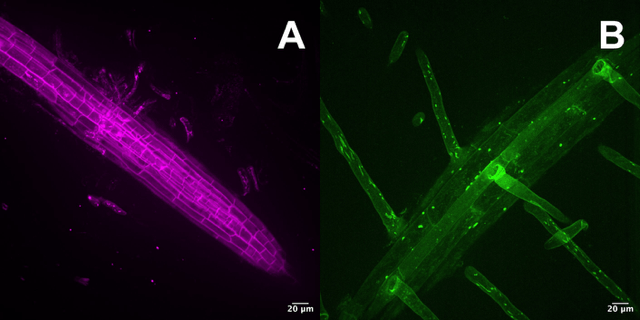
A) The root tip of a seedling that has been stained with propidium iodide.
B) The root of a seedling I attempted to transform with a plasmid expressing ANAC089-GFP. As ANAC089 is a membrane-tethered protein, the localisation of GFP in puncta suggests that this transformation was not quite effective!
Nevertheless, I was able to learn many key microscopy skills during my time in Toronto. These included slide preparation strategies for imaging different parts of the seedling, obtaining and visualising high quality images, and the numerous safety procedures for ensuring that the microscope does not get damaged in the process! I now feel far more confident in the possibilities for fluorescence-based experiments and visualisations throughout my thesis.
My visit to Toronto was an incredible experience. Immersing myself in a foreign environment, collaborating and discussing with many scientists from a wide variety of backgrounds whom I’d never met before, and learning about a different field of plant research from the members of my host lab, have made me excited for what my scientific future may hold beyond the University of Melbourne. I was fortunate enough to find accommodation in the heart of Toronto, and thanks to the eagerness of my labmates to introduce me to Canada, I was able to spend many evenings and weekends exploring the city. This culminated in an awesome day out at Niagara Falls with my lab group, which was an amazing way to conclude my visit.
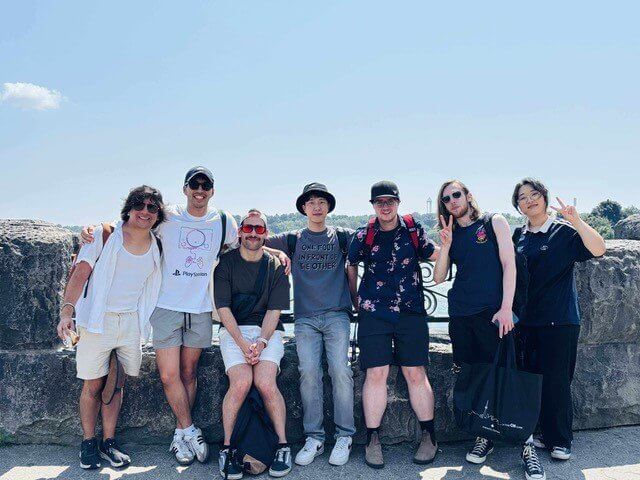
The McFarlane lab members and I at Niagara Falls
I have many people to thank for this wonderful experience. Firstly to my home supervisor Mike Haydon for offering me this opportunity, and to my host supervisor Heather McFarlane for welcoming me to her lab. Secondly to the members of the McFarlane lab: Fabrizio, Jordan, Rowan, Gaeun, Yu, Eduardo, Carlo and Stella, whose friendliness and hospitality made my time both in and out of the lab very enjoyable. Additionally, to the NSERC, whose grant provided valuable funding towards travel costs. Finally, to the ASPS, without whose financial support through the R.N. Robertson Fellowship this visit would not have been possible
ASPS Conference 2025: Final Call
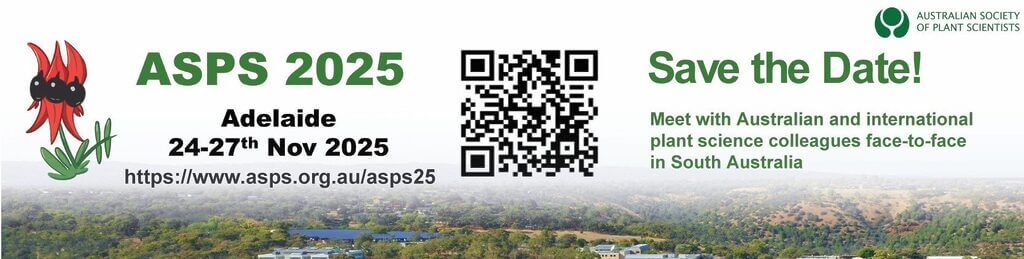
Conference Dates: 24-27 November 2025
Venue: Flinders University, Bedford Park Campus, Adelaide
Registration remains open. Secure your place at Australia’s premier plant science gathering.
Conference programme
The program encompasses eleven specialized sessions addressing contemporary plant science research:
- The Future of Plant Science (student-led)
- Teaching, Outreach & Indigenous Learnings
- Nurturing Symbiosis – Insights from Early and Mid-career Researchers
- Stress Sensing, Signalling and Membrane Transport
- Plant Evolution & Ecology
- New Technologies & AI in Plant Science
- Plant Nutrition & Development
- Frontiers in Genetics & Molecular Biology
- Synbio / Green Biomanufacturing
- Plant Organelle & Energy Biology
- Industry-led Session
Conference details: https://www.asps.org.au/asps-annual-conference
Contact: Dr. Crystal Sweetman ([email protected])
Conference Social Programme
Conference Dinner
The National Wine Centre of Australia, adjacent to Adelaide Botanic Gardens, will host the conference dinner. This venue provides an optimal setting for professional networking while featuring premium culinary and wine selections. Tickets available through the conference registration portal.
Social activities – Tuesday, 25 November
Three professionally guided excursions are available:
- Mt Lofty Botanic Gardens & Summit Tour (~$10 per person) Guided botanical tour with summit access for panoramic city views
- Waite Campus Research Facility Tour (~$10 per person) Access to The Plant Accelerator, Waite Arboretum, and Campus Winery
- McLaren Vale Viticultural Experience (~$70 per person) Visits to d’Arenberg and Wirra Wirra wineries with tastings Salvador Dali exhibition available at additional cost
Transportation included. Participant numbers may be limited based on facility capacity.
New Social Event!
ASPS Women in Plant Science Breakfast
Tuesday 25th November | 8-9am | Waite Campus, University of Adelaide
Register (free) HERE to let us know you’re attending
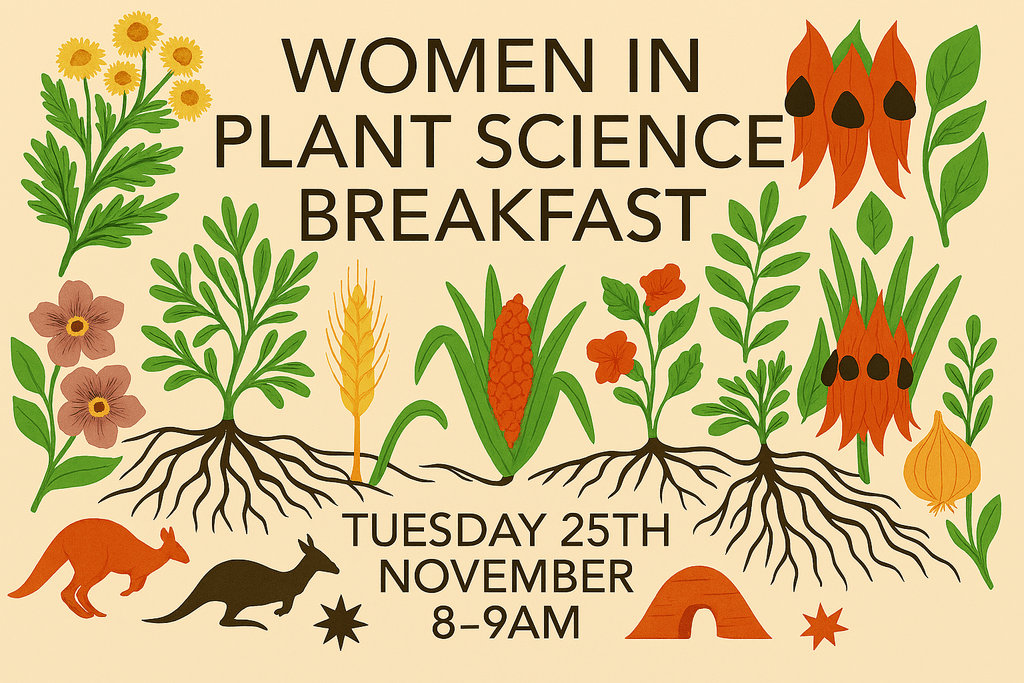
Please join Alison Gill & Alison Bentley for the first ASPS Women in Plant Science Breakfast
The event is made possible through the generous support of The Yitpi Foundation, the ARC Centre of Excellence in Plants for Space, the Waite Research Institute and CSIRO.
The event is open to all ASPS conference attendees, and the 1-hour session will include a mix of topical presentations, Q&A and networking (further details provided to all registered attendees before the event).
Discipline Representative Contribution
ASPS Inclusion and Diversity Representative
Flinders University
I am a Senior Lecturer, Molecular Biology at Flinders University, South Australia. One of my research interests is sustainably improving abiotic stress tolerance in crops. I am also interested in study of plants as ‘holobionts’ where both the host and associated microbiota contribute to overall plant growth and yield. My second research focus is limiting cell invasiveness in tumour cells especially in brain cancer.
Moving to Australia was both exciting and challenging in many ways. I completed my PhD at the University of Adelaide and worked as a post-doctoral fellow before making the transition to a balanced academic five years ago. As a non-native English speaker, I am passionate about diversity and inclusion across all spheres of the society. I have observed a lot of changes on this front in the time I have lived here.
As the Diversity and Inclusion representative for the Australian Society of Plant Scientists (ASPS), I would like to share my thoughts on cultivating diversity and inclusion in Australian Plant Science. Australia’s population is multicultural, multilingual, and rich in Indigenous knowledge. Incorporating this diversity into plant science leads to stronger research outcomes as diverse teams bring broader perspectives and challenge conventional thinking. Indigenous ecological knowledge offers insights into land management, fire regimes, and native plant use, while inclusive science ensures equitable opportunities and the research benefits all in the society. Diversity in Australian plant science isn’t just a goal; it is a pathway to more resilient ecosystems and richer scientific legacy. By embracing inclusion, we grow a field that reflects the land we study and the communities we serve.
The Australian Society of Plant Scientists (ASPS) is committed to diversity and inclusion through policy, events, and outreach. “Our objective is to make equity, diversity and inclusion a central part of how our organisation works, and of our programs and events.” As a Diversity and Inclusion Representative, my first task is to ensure gender equity and equal opportunity for all at the ASPS conference being held in Flinders University this November. Flinders’ 2025 Agenda embeds diversity and inclusion as a core priority, aiming to create a value-based community that champions equity and respect.
There are several initiatives to promote Diversity and Inclusion at local and national level, however there is still a lot that needs to be done. As a student, researcher, educator, or policymaker, we can help cultivate inclusion by collaborating respectfully with each other; mentor and support emerging scientists from diverse backgrounds and advocate for inclusive funding and employment opportunities.
Invited Contribution
Young Tall Poppy Science Awards 2025
The Australian Institute of Policy and Science Young Tall Poppy Science Awards recognize outstanding early-career researchers who demonstrate scientific excellence and commitment to communicating science to the broader community. These prestigious awards celebrate young scientists who are not only advancing their fields through innovative research but also making science accessible and engaging to the public.
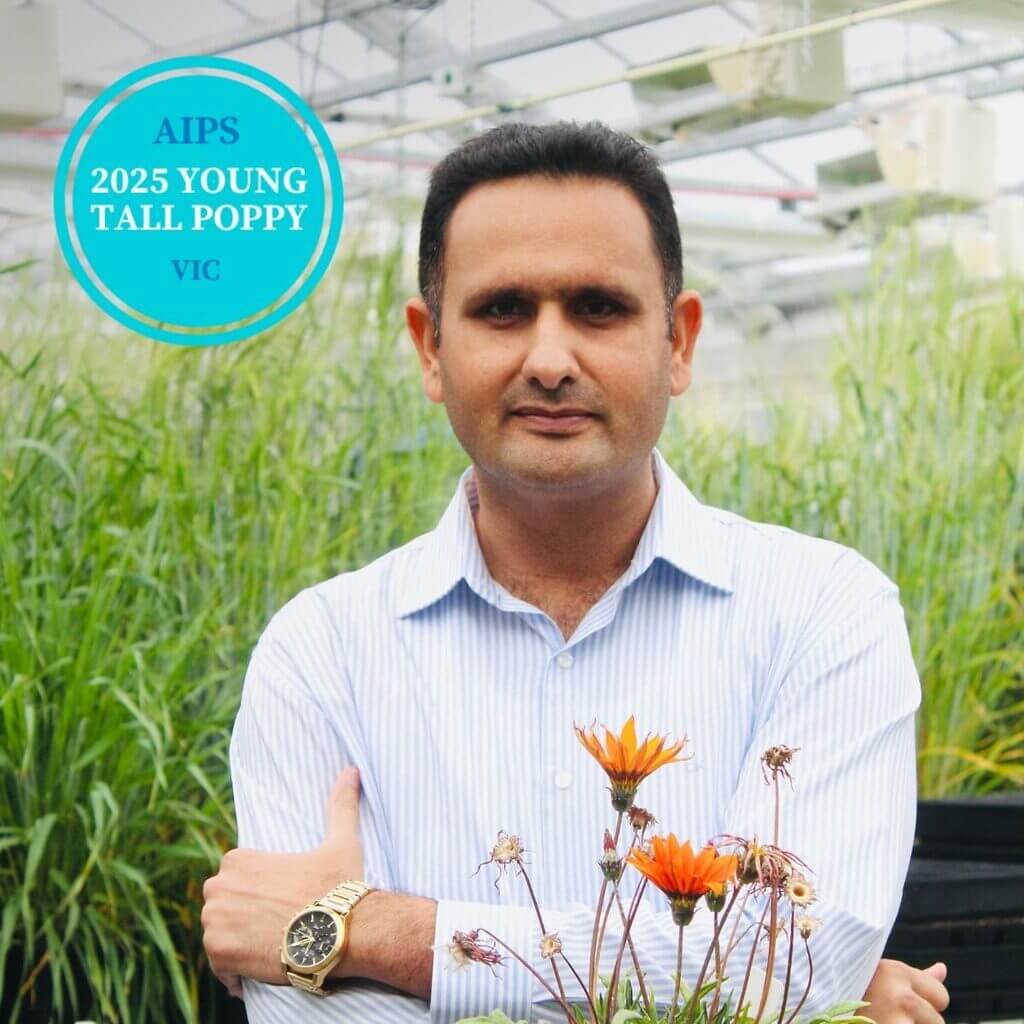
We are proud to celebrate and feature four Australian plant scientists honored in 2025, Dr. Ali Bajwa, Dr Fatima Naim, Dr. Ashley Jones, and Dr. James Lloyd. Congratulations all!
Dr Ali Bajwa (VIC)
Senior Lecturer in Weed Science & Agronomy at La Trobe University | Academic Profile Secretary, Council of Australasian Weed Societies | Associate Editor of Pest Management Science & Advances in Weed Science
Who Am I?
I am a Senior Lecturer in Weed Science and Agronomy at La Trobe University, with research focused on the challenge of weeds and invasive plants. These species cost Australia billions of dollars annually in lost productivity and management. My work investigates weed ecology in a changing climate, explores sustainable alternatives to chemical herbicides, and co-develops integrated management strategies with growers, Landcare groups, industry and government.
Beyond field and lab research, I view science communication as central to my role. For me, discovery is only half the journey – ensuring results reach farmers, policymakers and the wider community is what makes science impactful. I engage with thousands of stakeholders nationally and internationally through traditional and social media in addition to engaging with the scientific community via high impact publications and conference presentations. I am proud to see my research making real life impact whether its raising awareness on negative impacts of so-called ornamental, invasive plants or developing innovative weed management programs for horticulture and grains industries.
How it feels to be a YTP?
When I learned I had been named a 2025 Victorian Young Tall Poppy Award winner, I felt rewarded, proud and responsible at the same time. Recognition like this validates years of incremental progress, reminding me that small advances, when shared and applied, can have significant impact. At the same time, I felt the weight of responsibility. This award is not an endpoint but a platform. It gives me a louder voice to advocate for sustainable agriculture, and I intend to use it thoughtfully.
This honour, which celebrates both scientific excellence and community engagement, is one I accept with gratitude. It further ignites my passion to study and raise awareness on management of weeds and invasive plants to help protect and sustain our primary industries and environment. Like most achievements in science, this recognition is not just for myself, but for the many colleagues, students, mentors and farming communities who have shaped my journey.
The application process
Preparing the application was a reflective exercise. It required me to step back from the daily research chores, teaching commitments and grant writing to tell the bigger story: why I do this work, who it serves, and what future I imagine.
Balancing technical details with accessibility was crucial, since the Tall Poppy Award values both research quality and public engagement. Feedback from colleagues, especially those outside my immediate field, helped sharpen the narrative and ensure it resonated beyond academia.
Even without the award, the process itself was worthwhile. It clarified my vision and reaffirmed the importance of communicating science in ways that are relevant and compelling. I appreciate thoughtful advice from my nominator and a couple other colleagues on highlighting my key achievements. Sometimes, it’s easy to undersell yourself in research, which is not a good thing.
Tips for Early-Career Researchers
For those considering applying for atypical awards or fellowships, a few insights from my experience:
- Tell your story, not just rely on your well-crafted CV.
- Show impact beyond journals.
- Start early, reflect and revise.
- Seek feedback from someone trusted who you think won’t judge you but can provide positive criticism.
- Don’t downplay your progress. You got here for a reason.
Overall, my advice for fellow E-MCRs is to realize and acknowledge that the research path is rarely linear. Rejections, failed experiments, uncertain funding and social biases are part of the process. However, persistence, curiosity, innovation, empathy and principled collaboration go a long way in ensuring success.
How this award will shape my future research and education
This recognition motivates me to think bigger in several directions:
Interdisciplinary work: bridging weed science with climate resilience and food security.
Policy and advocacy: using this platform to amplify the case for sustainable, integrated weed management at state and national levels.
Scaling research: pursuing ambitious landscape-scale projects and long-term collaborations with communities and growers.
Mentorship: supporting emerging scientists, as recognition carries with it the responsibility to help others grow. Continue learning from peers beside and ahead of me.
Final reflections
Winning the Victorian Young Tall Poppy Award is a humbling affirmation of my commitment to science education and past achievements but, more importantly, challenges me to grow taller. I see this as an invitation to do more: to expand research impact, mentor future scientists, and help shape sustainable farming systems for the decades ahead. Finally, I am thankful to my students, team members, colleagues, my institution, La Trobe University, and the funding bodies for their continuing support and appreciation of my work. I am also thankful to Phytogen and the Australian Society of Plant Scientists for celebrating and sharing my success.
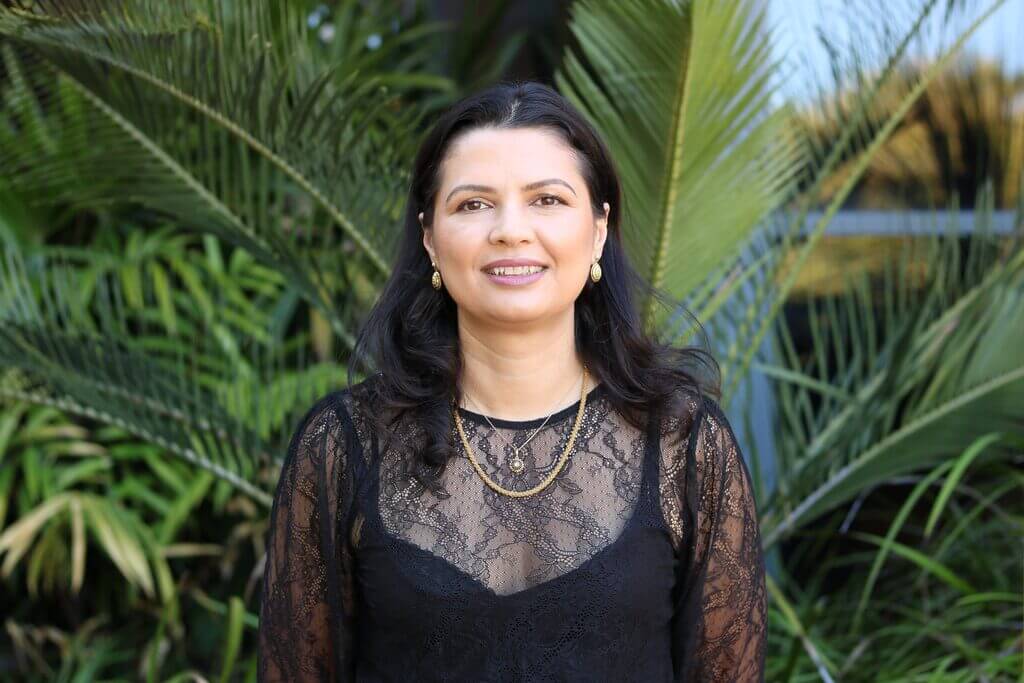
Dr Fatima Naim (WA)
Senior Research Fellow at Curtin University’s Centre for Crop and Disease Management (CCDM) | Fatima’s Linkedin
Who Am I?
I’m a Senior Research Fellow at Curtin University’s Centre for Crop and Disease Management (CCDM), co-funded by Curtin and the Grains Research & Development Corporation (GRDC). My research sits at the interface of plant molecular biology and pathology, focused on how cereal crops, particularly wheat and barley, respond to fungal pathogens during the early phase of infection and through recovery. I integrate nuclear science, spatial transcriptomics, direct RNA sequencing, microscopy, and genomics to study plant-pathogen interactions in real time, and to translate that knowledge into practical phenotyping pipelines, molecular markers, and management strategies that breeders and growers can use. Alongside the lab work, I care deeply about research data management (FAIR data practices) and about building capability across our sector through workshops and intuitive educational resources.
How it feels to receive the YTP Award?
Gratifying, energising, and humbling! Gratifying because the award recognises a team effort: mentors, students, colleagues, industry partners, collaborators and supporters who have shared data, frustrations, field days, and the occasional breakthroughs. Energising because the visibility opens doors for new collaborations, conversations and opportunities to advocate for long-term investment in plant health. And humbling because the field is full of brilliant scientists whose work I admire. The award is a reminder to pay it forward: mentor generously, communicate clearly, and involve the next generation in meaningful ways.
My experience with the application process
The application asked me to do two things well: distil the science and demonstrate impact beyond academia. The science story was straightforward: define the problem (diseases intensifying under climate variability and pathogen evolution outpacing traditional resistance breeding), then show how our approach provides durable, practical solutions (tolerance traits, early-stage mechanisms, multi-scale validation from cell to field). The second part (community engagement) needed careful curation. I tracked activities across three years (seminars, workshops, field days, student expos, international presentations, social media and industry collaborations) and, crucially, I quantified audiences and outcomes. Reviewers look for evidence that outreach is consistent, intentional, and reaching diverse groups (e.g. growers, students, industry, public).
I found the application write-up process to be an extra task. Given my workload, two little kids, and lots of travel this year, the only time I had to write the application was between 4 am and 6 am before my actual day started. I abandoned it many times, but with some persistence, I came back to finish it. Jenny Copestake from Curtin Research Engagement and Impact Team was lovely and helped with edits and motivation.
A few practical notes from the process:
I started with bullet lists, then wrote a short narrative for each category (research, outreach, leadership, data stewardship). I included concrete numbers (participants, sponsorship raised, students trained) and specific examples. The Research Engagement and Impact Team guided which stats and numbers to use to demonstrate impact. Your resume is not the usual academic resume, and it was helpful to see examples. I am happy to provide mine for those interested in applying next year.
As part of annual reporting, I am already used to keeping a running sheet of engagement, so it helped to glance over that for talks, media, outreach, and collaborations. I usually also update my resume with student supervision, teaching and engagement activities, so that was helpful. I can do better with keeping a record of testimonials. I know it is awkward, but it is one way of demonstrating impact, including for promotion. Other tips may include:
- Tell a coherent story. A strong application reads like one narrative: a real-world problem → a distinctive approach → evidence of progress → who benefits and how.
- Quantify and qualify. Numbers matter (participants, downloads, hectares impacted), but so do testimonials or brief case studies that bring those numbers to life.
- Show your edge. What is unique about your method, system, or dataset?
- Balance “we” and “I”. Acknowledge the team while making your own leadership legible. Use verbs that reflect agency: led, enabled, designed, built, coordinated, translated.
How this award might shape my research direction
Two shifts are already happening. First, scale and translation: With the added visibility, we’re accelerating validation of tolerance traits from controlled environments to field trials, and working towards packaging phenotyping workflows and markers for breeders. Second, capacity and data: We’ll expand hands-on training (genomics, imaging, data analysis) and continue strengthening FAIR data practices, so our data outputs are reusable by others. The award also helps me advocate for disease tolerance as a complement to resistance breeding, protecting yield without intensifying selection pressure on pathogens.
Advice for young scientists navigating competitive applications
- Write for the reviewer’s brain. Use signposted headings, plain topic sentences, and short paragraphs. Reviewers skim before they read.
- Evidence over adjectives. “Significant” means little; “trained 49 participants from three countries and raised $42k in sponsorship” means a lot.
- Translate your jargon. Replace internal shorthand with terms that a smart, non-specialist scientist will grasp on the first pass.
- Own your trajectory. If your path is non-linear, explain how it strengthens your approach. Resilience and adaptability are virtues, not red flags.
- Show stewardship. Briefly note how you build safer, more reproducible science, data sharing, open protocols, ethical engagement, and community partnerships.
What I wish I had known earlier
- Outreach is part of the job, not an add-on. When you plan a study, also plan how you will communicate it, who needs it, how they’ll use it, and how you’ll measure uptake.
- Mentoring multiplies impact. Training students and ECRs isn’t just generous, it expands your research capacity and keeps your ideas fresh.
- Partnerships are built between events. Field days and conferences start conversations; shared protocols/ideas, quick follow-ups, and problem-solving build trust.
Looking ahead
Plant disease pressure will continue to rise with climate variability, and our responses must be faster and more durable. I aim to deepen mechanistic understanding at the tissue and cellular scale while delivering tools that work at the paddock scale, such as phenotyping pipelines, molecular markers, and management strategies. Equally, I want to keep championing data practices that help our community reuse data, compare across sites and seasons, and reduce duplication. And I’ll keep saying yes to schools, community forums, and regional events, because scientific literacy and enthusiasm for STEM are as critical to food security as any technology.
If you’re an early-career researcher considering an application, start curating your story now. Keep it honest, specific, and anchored in impact. Ask for feedback. And remember that recognition fuels the next experiment, the next student you train, and the next collaboration that turns an idea into a discovery.
Dr Ashley Jones (ACT)
Senior researcher, Australian National University | Academic profile
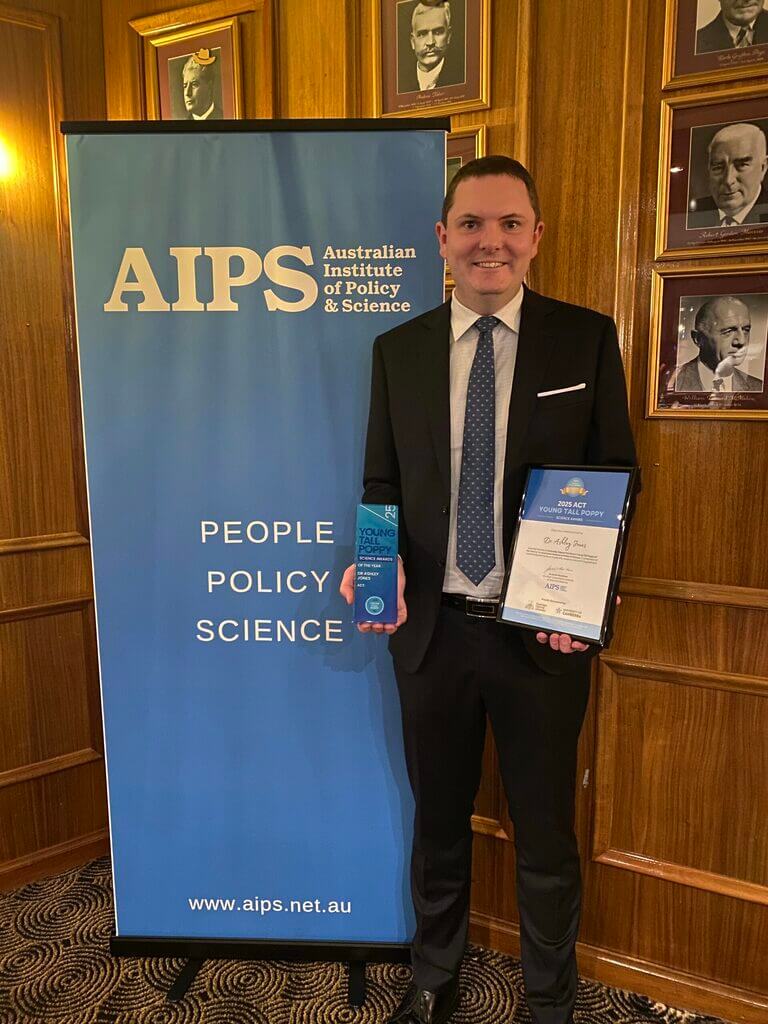
Not one but two for Ashley!
This year Dr Ashley Jones received the ACT YTP of the Year Award from the Australian Institute of Policy and Science (AIPS), and the Alan Wilton Award from Genetics Society of Australasia (GSA). Ashley’s research focuses on genome evolution in Australian native plants and their fungal pathogens. Using long-read DNA sequencing, his work has uncovered genome structural variations that drive climate adaptation and disease resistance in iconic native plants including Eucalypts, paperbarks, and grass trees. Ashley’s research has been translated to the community through conservation efforts and improving Australia’s biosecurity measures, with government and industry partnerships.
How do you feel after receiving these two awards in 2025?
It’s a great honour and genuinely humbling to be the ACT YTP of the Year and be internationally recognised by the Genetics Society of Australasia. These awards feel like a turning point for recognition of Australian native plant science, a field that rarely receives this level of visibility. It’s also wonderful recognition of the collaborative research at the ANU Research School of Biology, something that simply wouldn’t be possible without the support of the Schwessinger and Borevitz laboratories
Your experience with award application processes?
The application process has been both challenging and illuminating. There were moments of self-doubt, but what kept me going was realising that award committees increasingly value impact beyond traditional metrics. The process required nominators and me to articulate not only what research had been conducted, but why it mattered and what tangible difference it could make. That reflection strengthened my applications considerably. My career path hasn’t been linear, with setbacks along the way, but owning those challenges honestly rather than obscuring them resonated. It told a story of authentic persistence and resilience.
Tips for early-career researchers applying for such recognition?
Don’t underestimate the power of demonstrating impact beyond academia. Award committees want evidence that your work reaches beyond journal articles, whether that’s through training, policy influence, industry partnerships, or community engagement. Your research findings matter, but equally important is explaining the why: why does this work matter for Australia, for society, for the future? Connect your science to something larger. Lastly, keep trying. Behind every successful application there are many unsuccessful ones!
How these awards might influence your research direction?
These awards give me renewed confidence to push forward with research that directly protects our Australian native plants, forests, and ecosystems. I hope to lead more ambitious conservation-focused genomic projects with botanic gardens, Indigenous land managers, and government agencies to implement genomic solutions for species recovery. The awards have reoriented my research from “can we do this?” to “how do we deploy this for maximum conservation impact?”
Advice for young scientists navigating competitive applications?
High impact publications are desirable, but sometimes we need to rethink what impact really means. Science isn’t impactful until it’s communicated, adapted, and implemented in the wider community. To navigate competitive applications, you need a compelling story, demonstrable commitment, and the skills to pull it off. Invest time in understanding what committees actually value. Finally, recognise that rejection is part of the process; it’s not personal, and it’s not permanent. Build on each experience to strengthen future applications. Stay positive and good luck!
Dr James Lloyd (WA)
Research Fellow and Group Leader, University of Western Australia | Academic Profile
Who Am I?
I am a Research Fellow and group leader at the University of Western Australia (UWA) and affiliate of the ARC Centre of Excellence in Plants for Space (P4S). I completed my PhD at the University of Leeds in the United Kingdom exploring how early stop codons introduced by alternative splicing lead to RNA degradation by an active decay pathway (nonsense-mediated decay). I continued this work and learned a lot about computational genomics during a 3 year post-doc at the University of California, Berkeley in the USA before deciding it was time to move away from understanding of basic processes of gene regulation and instead design synthetic modes. In 2018 I started a post-doc at UWA working with Prof Ryan Lister to engineer synthetic gene circuits for plants. Together we developed synthetic gene circuits platforms that offer new ways to control transgene expression in plants. In 2025, I established my group at UWA, and we are focused on the two Rs of genomics: Genome Read and Re-write. Finding ways to understand the natural genome, transcriptome and epigenome links back to my PhD work interests of natural processes of gene expression, but also informs our work on synthetic gene circuits and genomes. The Re-write focuses on synthetic biology and how we can control transgene expression with synthetic gene circuits, but also how we can try to re-write plant genomes with artificial chromosomes and editing existing chromosomes.
How you feel after receiving this award?
I was overjoyed to receive the news. I had tried once before without success. But since then, I had spent a lot more time focused on teaching and outreach. I have always enjoyed engagement with the community, but over the last couple of years, I was a lot more proactive with finding opportunities. Also, many were made available to me by the ARC Centre of Excellence in Plants for Space. One daunting challenge I took on at the end of 2024 was to undergo comedy training so that I could take part in a Science-Comedy show run by the Future Science Talks team. I had never imagined myself as a standup comedian, but I had seen the power of comedy to communicate important ideas before. Satirical political comedy acted like a gateway into deeper political conversations for me, and I hope that comedy with science can do the same, without losing the accuracy or rigor scientists (rightly) demand. During the training, my ideas were refined by advice by professional stand-up comedians and led to a show with seven other scientists at the World Fringe in Perth February 2025. It was a terrifying but deeply rewarding experience performing in front of 150 people in a very excited audience.

Your experience with the application process
The application was straight forward, but I needed to remember to not only highlight my traditional research achievements but also my public engagement. Remembering to sell myself to a different audience than other scientists in my field was important.
Tips for early-career researchers applying for such recognition
Find opportunities to grow and expand your skills. If applying for a prize that recognises public engagement like the Young Tall Poppy, then find outreach experiences that are new and exciting. Be willing to do something different to the traditional approaches and see where it leads you. And don’t forget to sell yourself. But most importantly, keep pushing ahead doing interesting science.
How this award might influence your research direction
This prize reminds me of the importance of outreach and engagement. I am not sure it will influence my research directions directly, but it encourages me to keep communicating those results with the general public and to find new and exciting ways to do that. This is particularly important when it comes to genetic modification (GM) of crops, as there has been much public opposition to this in the past. Despite this, 13% of global farmland is estimated to grow GM crops, and with climate change bringing new terrors, I think that it is important for us to work on new inventions today to secure food for tomorrow. And bringing the public along with this through constant discussion I think is going to be very important. However, just citing dry facts is not going to change hearts and minds. We have seen this with vaccine outreach. Instead we do need to connect with people, and that is challenging.
Advice for young scientists navigating competitive applications
Keep trying. I feel very happy to have won a Young Tall Poppy in Western Australia, and to have recently had some success with grants and fellowships. I have been very fortunate. But I also remember the sting of many failures I have received in the past. Paper rejections, fellowship rejection after rejection. I remember one reviewer of a failed fellowship application being so brutally direct about the current state of my research career that I had tears in my eyes. It hurt a lot. I don’t think it is fair for reviewers to be so cruel to early-career researchers. I try to be fair, honest and critical in my reviews, but I think that there is a line not to cross. But some people will and it will hurt. But I think when scientists (young or old) apply for competitive funds or awards, expect it to be bad and keep going. To quote the movie Batman Begins “And why do we fall, Bruce? So we can learn to pick ourselves up”. Being stubborn in science is perhaps my superpower. I just hope that the process would have less obstacles in the way.
Student Contributions
Alternative Oxidase and Legumes: Exploring Stress Tolerance Mechanisms
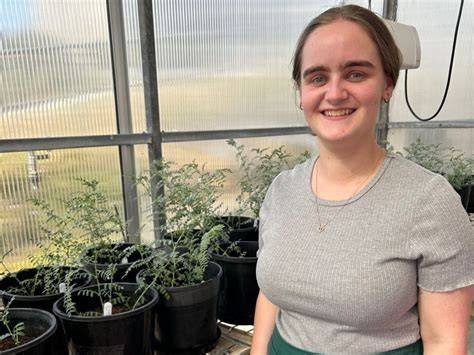
PhD Candidate, Flinders University
ASPS Student Representative, SA
I fell into plant science somewhat by accident. My interest has always been in molecular biology and hands-on lab work. I was fortunate to find passionate plant molecular biologists and biochemists during my honours project, which sparked my interest and led to my PhD.
I study the alternative oxidase (AOX) protein family involved in the plant alternative respiratory pathway. AOX acts as an alternative terminal oxidase in the electron transport chain (ETC), uncoupling electron flow and energy production. Research primarily examines this under stress tolerance, with the Aox1a isoform transcriptionally upregulated under stress in all studied plants. This prevents reactive oxygen species production by preventing ETC components from becoming over-reduced.
Legumes exhibit unique AOX isoform expression patterns. Of particular interest is the high constitutive expression of Aox2a in photosynthetic tissue. My project asks: why do these plants maintain high Aox2a transcript expression under non-stressed conditions?
Come to the ASPS conference in Adelaide to learn about growth and reproduction impacts observed in Lotus japonicus mutants with knocked-down expression of Aox1a or Aox2a!
Wheat Stress Tolerance: Molecular Mechanisms and Rhizosphere Interactions

PhD Candidate, Flinders University
ASPS Student Representative, SA
When I first began tertiary studies, I was drawn to forensic science but found myself increasingly disenchanted with its TV portrayal. During these studies, I became fascinated by plant science—organisms that have weathered thousands of years of environmental change and support countless species. My PhD examines how some plants thrive in dry, hot environments while others falter, applied to one of Australia’s most important crops: wheat. With increasingly volatile climate, this question profoundly impacts food security. Plant stress tolerance lies not only within the plant but also in associations with the microbial world beneath the soil.
My research examines molecular and biochemical mechanisms contributing to heat and drought tolerance in wheat cultivars, plus associations formed within the rhizosphere—the narrow soil zone surrounding plant roots rich in microbial and chemical activity. Plants release compounds into the rhizosphere including sugars, amino acids and organic acids. These exudates aren’t waste products; they’re messages shaping the soil microbiome, recruiting beneficial microbes that help plants withstand stress.
I’ve conducted greenhouse and field experiments defining biochemical, molecular and microbial responses to heat and drought stress in wheat cultivars with varying tolerance levels. This combines metabolomics, amplicon and metagenomic sequencing, qPCR, and biochemical assays to map changes inside the plant and in soil, examining their interactions. Through this “panomics” lens, I aim to identify biological fingerprints of stress tolerance: molecular and microbial traits distinguishing resilient cultivars from susceptible ones.
Most exciting is translating findings into practice. Understanding which exudates, microbial partnerships and biochemical responses underpin stress tolerance enables designing cropping systems fostering those interactions—whether selecting cultivars with “microbiome-friendly” traits or managing soils supporting beneficial communities. We can breed and nurture plants pre-equipped with intrinsic stress tolerance and ability to recruit microbial allies.
Plant resilience is not solo—it’s a relationship between plant and soil community, shaped by countless generations of environmental adaptation and human management. By unravelling these hidden relationships, I hope to contribute toward helping wheat not just survive, but thrive, in tomorrow’s climate.
I’ll attend the 2025 ASPS conference in Adelaide, co-chairing the Future of Plant Science session. Hope to see you there!
Spotlight on reaching out to researchers as a PhD student
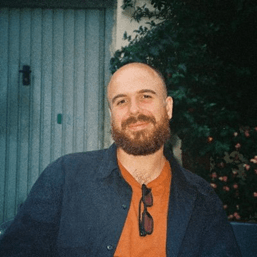
PhD Candidate, The University of Western Australia
ASPS Student Representative, WA
I’ve come to one of those points in life where you have to jump out of the nest and test whether your wings really work. If you’re lucky and you’ve been well prepared, it’s all just a formality. And yet, that doesn’t change how far you can fall if it isn’t…
I’ve been stuck on this thought lately as, right now, I’m on a research training trip in Czechia, preparing to visit some research teams in Europe and discuss my PhD project. There are parts of my research I feel could really benefit from their consideration, and I want to see whether my conclusions hold up under scrutiny.
My nerves come from a previous attempt to share my research abroad — an intimation of wings flapping, at best. But a year on, I am patched up and resolved to try again.
So, how do you reach out to researchers and share your work in a way that builds connections and eases the transition from student to early career researcher? This article shares some of my thoughts throughout the experience. The first parts were written before my visits. The latter parts, after The visits, were written afterwards.
The cold open
I’m sure there are many ways to reach out to researchers. In the past, my supervisor has taken the reins and handled the introductions, which has provided me with some great opportunities. But we both agreed it was time for me to ‘have a go,’ to live up to that well-worn Australianism.
So, what to do? First, I revisited some papers that had helped shape my own research and checked whether any of the authors were near enough to justify a visit. From there, I made a shortlist of people close enough to reach over a long weekend.
Next, the cold open.
I started with a general email: who I am, what I’m researching, what stage I’m at in my PhD. For each person, I wrote a sentence or two about their work — what had drawn me to it and what aspects I hoped to discuss. Apart from that, I only asked whether I could come visit.
To my surprise, three of the four people I contacted replied within 24 hours — two even wrote back while on summer holiday. Not so scary after all.
Enthusiasm helps. In my emails, I tried to convey how interested I was in both the topics we shared and where our research might differ. I think this sort of enthusiasm can be infectious in science; we want people to be interested in our work, to discuss it with one another, and to further our collective understanding.
And so, the cold open had worked.
Presenting without perishing
From there we set schedules, and I was invited to give a couple of seminars outlining my work.
Last time I’d presented in Europe, I spoke on too many topics and muddled my message. At first, I repeated this mistake, constructing a presentation that was overcomplicated, trying to justify everything I had observed in my research.
My support network proved invaluable. I trialled my draft seminar with my supervisor and research collective, whose feedback helped me focus the talk on what I knew as a plant scientist, while expanding into other areas with care. Much of my work is moving into evolutionary genomics, a field still new to me. I recognised that the real purpose of these visits was to share what I understood and let those I was visiting scrutinise and guide my developing hypotheses.
I also had to tackle nerves. I am prone to speaking both too quickly and too much. To counteract that, I wrote out a complete script. Whether or not I used it didn’t matter — writing it anchored me and stopped me from over-explaining. There’s no one-size-fits-all approach to presenting; I think the most important part is finding what works for you.
The visits
In short, I felt the visits were a success. Not because I gave perfect seminars or answered every question with aplomb, but because of the connections I made with the people I met. Everyone, from fellow PhD students to PIs, was incredibly generous with their time and ideas. We all spoke about our research with such enthusiasm and openness.
The two seminars I gave couldn’t have been more different: the first was the standard 30-minute seminar followed by questions; the second went for almost an hour, with constant interjection and discussion throughout. I enjoyed the latter more — if anyone was unclear on a point, it was immediately discussed. And because I’d already given the seminar once before, I had shaken off most of my nerves.
I feel quite indebted to both Dr. Claire Merot and Dr. Mathieu Joron, who were incredibly welcoming and generous with the discussion and development of ideas, as well as advice on pathways for postdoctoral research and collaboration in the EU.
The verdict
If you are able, do it. Go somewhere and talk about your research. Be shameless in your interest. Ask questions you don’t know the answer to, and let others fill the gaps. Science is a collective practice, and a large part of the transition from student to researcher is taking accountability for your role in that collective. Not just for robust science, but for robust dissemination, discussion, and collaboration.
As before my visit, I was struck again by how much we can connect over a shared desire to better understand our world.
Acknowledgements
I’d like to thank my primary supervisor, Judith Lichtenzveig, for constant support and guidance throughout my PhD and in setting up these visits. I’d also like to thank the PEG research collective for all they do — my research and its dissemination are a reflection of the
work we all do together. Lastly, I must thank the Farrer Memorial Trust for awarding me an International Travelling Scholarship, which has allowed me to travel to the EU for both research training and the visits outlined in the article
*Editors’ Note: These contributions are submitted as part of the authors’ role as ASPS Student Representatives. For questions regarding ASPS activities and feedback in SA and WA, please contact Katie ([email protected]) or Alexandra ([email protected]) for SA and Alistair ([email protected]) for WA.
Membership Information
ASPS membership provides access to Australia’s plant science community and professional development opportunities. Student memberships available at reduced rates.
Benefits:
- Professional networking across institutions
- Conference registration discounts
- Award and travel grant eligibility
- Regular Phytogen updates
Verify membership status and/or Become a Member — Australian Society of Plant Scientists
Editors’ Note
Thank you for reading the October 2025 Phytogen
ASPS members’ recognition through Young Tall Poppy Awards and appreciate the insightful contributions from our student representatives. Special congratulations to our 2025 ASPS award winners who will present at the conference. With ASPS 2025 approaching, we look forward to gathering Australia’s plant science community for knowledge exchange and collaboration. See you at the conference!
Newsletter written & edited by Lucas Auroux & Razlin Azman.
Contributions:
Callum Hayes (recipient of 2025 RN Robertson Travel Fellowship); Sunita Ramesh (ASPS Diversity & Inclusion Rep); YTP winners Dr Ali Bajwa, Dr. Fatima Naim, Dr. Ashley Jones, Dr. James Lloyd; and, Katie Schleyer, Alexandra Cunningham, and Alistair Hockey (Student Representatives)
We acknowledge all contributors and the ASPS Conference 2025 organizing committee for their dedicated efforts in advancing Australian plant sciences.