
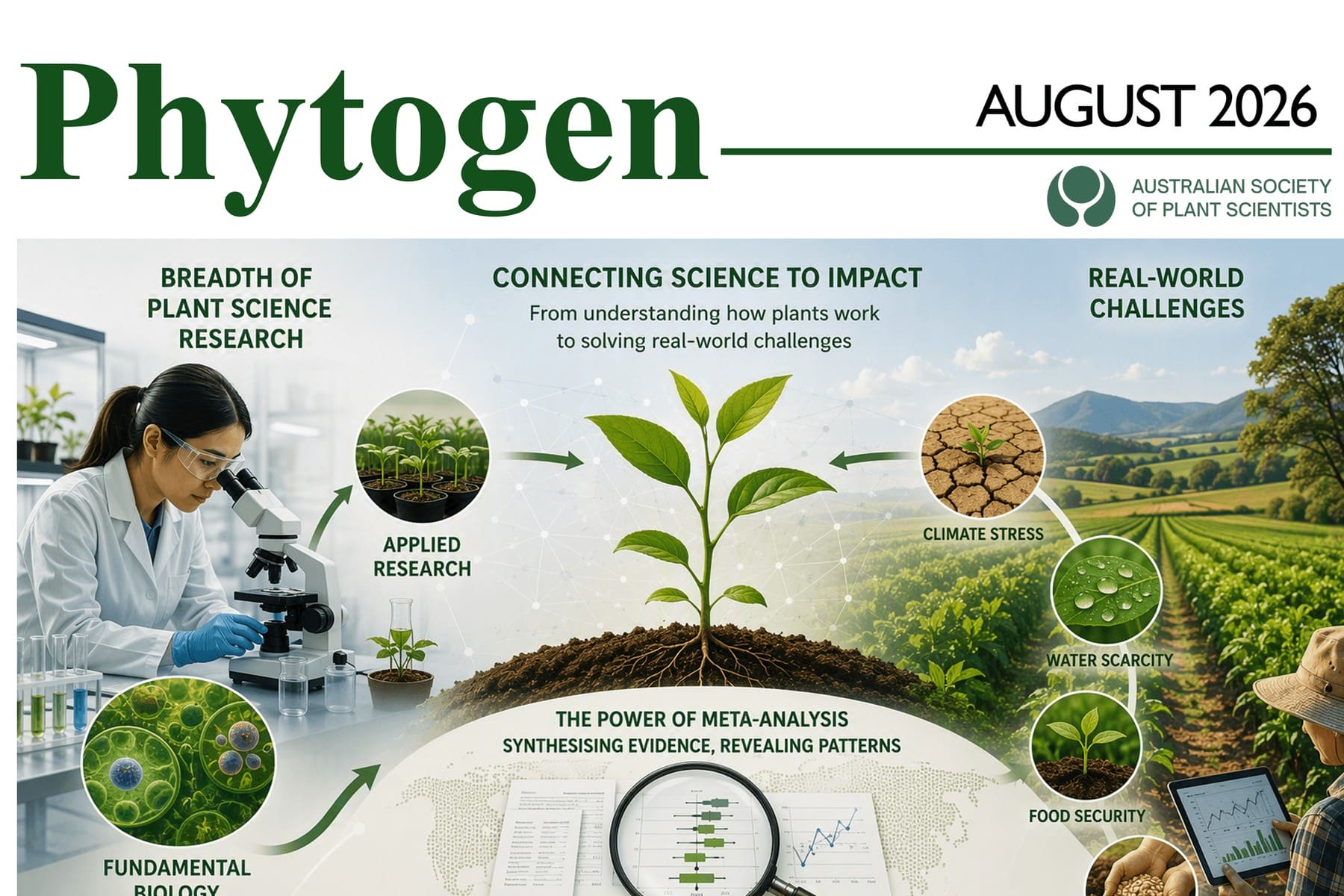
In this issue, we explore the breadth of plant science research and the connections between fundamental biology, applied research and real-world challenges. We highlight the growing role of meta-analysis in plant physiology, showcasing how synthesising evidence across studies can reveal broader patterns in stress responses, photosynthesis, nutrient and water relations. We also take plant science beyond the laboratory with a spotlight on Prof Barry Pogson (ANU), this year’s JG Wood invited lecture awardee, and a reflection from our co-editor Sneha and Oscar Jones (Curtin) on ecological restoration in Western Australia’s Great Southern, exploring the connections between plants, soils, biodiversity, agriculture and people. Alongside this, we have contribution from student representation student Gabriella Jessica about her research into the genetic and developmental basis of leaf shape and feature the last reflections from ASPS 2025 Postgraduate Travel Award recipients on their conference experiences.
We also celebrate recent publications, including research on PFAS regulation in Australia and new insights into the cell-type-specific control of seed dormancy and germination. Together, these contributions showcase the diversity of plant science—from molecular mechanisms and crop physiology to ecological restoration and emerging research approaches.
We invite you to explore the latest stories, celebrate the achievements of our community, and continue being part of the conversations shaping the future of plant science in Australia and beyond.
Connect with ASPS on social media: LinkedIn: Australian Society of Plant Scientists; BlueSky: @asps-oz.bsky.social
Join the conversation using #AusPlantSci #ComBio2026 (for the upcoming conference). Tag us to help promote your science on our platforms!
Phytogen is a community-driven newsletter, and we welcome contributions from ASPS member students, early- and mid-career researchers, and established scientists at any time. We are always looking for:
- Student or lab research highlights
- Conference or workshop reports
- Opinion pieces and perspectives
- Field or extension insights
- Upcoming events, webinars, and symposia suggestions
Contributions can be sent anytime to Phytogen co-editors Raz ([email protected]) or Sneha ([email protected]).
ComBio 2026

COMBIO 2026 PROGRAM NOW AVAILABLE!
We are delighted to release the full three-day program for ComBio 2026, showcasing the latest research across a diverse range of disciplines.
Tickets for the ASPS cocktail event are also now available at these links:
https://www.combio.org.au/social-program
https://www.asps.org.au/asps-2026-cocktail-evening
Registration is now open: REGISTER HERE
Follow the conversation: on LinkedIn
2026 ASPS Award Winners Spotlight

2026 JG Wood Invited Lecture
Professor Barry Pogson
ARC Laureate fellow and Executive Chair of the ARC Training Centre for Future Crops
Leader, Pogson Lab
Australian National University (ANU)
Barry Pogson is a Fellow of the Australian Academy of Science (FAA), an ARC Laureate Fellow, Executive Chair of the Australian Research Council Centre for Future Crops and leads the ANU node of Plant SynBio Australia, which aims to deliver step-change synbio and gene editing solutions. He has chaired numerous national and international boards, including the Global Plant Council. Barry is a six-time ISI Highly Cited Fellow and a recipient of ASPS’s Peter Goldacre Medal, Australian Eureka Prize, Australian Academy of Science Fenner Medal and is a corresponding fellow of the American Society of Plant Biologists. Pogson’s academic career includes a PhD at Macquarie University and CSIRO, a postdoctoral fellow at Univ. of Arizona, U Nevada and an Asst. Professor at Arizona State University, prior to joining ANU in late 1999.
Across his career, the mentoring and support received from colleagues, supervisors, his wife and family have been highly valued (you know who you are…as there are too many to list). When reflecting on all the components that make a career, he has chosen to highlight a role not normally highlighted, namely that of his 20+ year lab manager Dr Derek Collinge, who has quietly underpinned much of the success of his team.
In turn, Barry is motivated to mentor others, which was reflected in two national awards for mentoring and supervision and in the vision of the ARC Training Centre for Future Crops, which is mentoring the next generation in new breeding technologies for improving crop yield and resilience in response to changing climates, inclusive of societal considerations.
His research journey has spanned metabolic engineering to cellular signaling and from lab to field. Notable findings include discoveries of genes, proteins and signals required for chloroplast communication, carotenoid biosynthesis, photoprotection and RNA biology. A common theme has been dissecting how they regulate each other. The team’s research has revealed crucial pathways by which communication between the chloroplast and nucleus influences growth, development, photosynthesis and tolerance to drought, a process known as retrograde signalling. They dissected genetic and metabolic networks that regulate how the chloroplast communicates the impacts of fluctuating environmental conditions. This has enabled new insights into the evolution and function of retrograde signalling networks. The discoveries have led to his leadership of large-scale yield, grain nutrition and resilience projects, including chairing the Bill and Melinda Gates project for Healthier (Golden) Rice and multiple large GRDC-funded initiatives working closely with the grains industry on yield, resilience and nutrition.
Currently, his lab is focused on developing crops that are tuneable in response to changing environments by harnessing translational control and cellular communication. Namely, how does the chloroplast function as an environmental sensor for managing plant acclimation, and can this be applied to crops. The JG Wood Lecture will reflect briefly on the journey and past insights, while emphasising recent findings.
Functional Plant Biology Contribution
Adding Up the Evidence: Functional Plant Biology Opens Its Doors to Meta-Analysis
by: Patrick Hannah (CSIRO), Journal Manager
Editors’ note: Functional Plant Biology (FPB) is the official journal of ASPS
Plant science has always been a discipline built on patient accumulation, one experiment, one species, one growing season at a time. But increasingly, the biggest insights come not from any single study, but from stitching many together. Recognising this, Functional Plant Biology has formally expanded its scope to welcome meta-analyses as a core part of the journal’s remit, and to mark the occasion the journal has put together a virtual issue collecting some of its strongest meta-analytical work to date.
For a journal built on mechanistic, whole-plant physiology, opening the door to quantitative synthesis is an acknowledgement that “mechanism” doesn’t only live inside a single controlled experiment, it can also emerge from patterns that only become visible once dozens of studies are pooled, standardised and re-analysed together. A meta-analysis can ask questions no individual trial ever could. Does an effect hold across species, climates, and decades of methodological drift? Is a widely cited result robust, or an artefact of a handful of outlier papers?
The collection
The virtual issue ranges widely across the journal’s traditional areas of scope, stress physiology, photosynthesis, nutrient and water relations, showing just how far quantitative synthesis has already travelled through the pages of FPB:
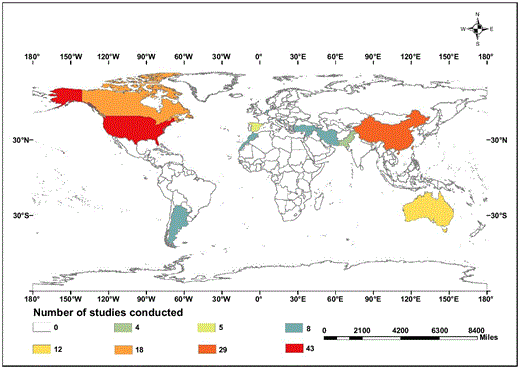
- No-tillage enhances soil water storage, grain yield and water use efficiency in dryland wheat and maize cropping systems: a global meta-analysis | Adil et al. pool global trial data to make the case for no-till dryland cropping.
- Meta-analysis of transcriptomic profiles in Dunaliella tertiolecta reveals molecular pathway responses to different abiotic stresses | Panahi et al. mine transcriptomic datasets in a microalga to reveal shared stress-response pathways.
- A meta-analysis of plant tissue O₂ dynamics | Herzog, Pellegrini and Pedersen bring together internal oxygen measurements across species to reframe how we think about plant tissue aeration.
- Arbuscular mycorrhizae reduce the response of important plant functional traits to drought and salinity| Gobbo et al. quantify just how buffering AM symbioses can be under abiotic stress.
- A meta-analysis of microarray data revealed hub genes and transcription factors involved in drought stress response in rice | Soltanpour et al. distil decades of rice microarray studies down to a shortlist of drought-response hub genes.
- Meta-analysis of transcriptomic responses to cold stress in plants | Vergata et al. take the cold-stress transcriptome across multiple species and pull out the conserved signal.
Read together, these papers make an understated but persuasive case: aggregation isn’t just a statistical convenience, it’s a discovery tool in its own right. Individually, each underlying study answers a question about one species or one dataset. Pooled, they start answering questions about plant biology in general, which is precisely the kind of generalisable, mechanistic insight FPB values.
Closer to home: celebrating recent Australian research
I also want to take a moment to celebrate some excellent recent work from Australian labs and contributors to the journal. Research that speaks directly to the Australian Society of Plant Scientists’ long-standing mission of fostering connection and excellence in plant physiology here at home.
Arbuscular mycorrhizal fungi can reduce the bioavailability of Zn and Fe in the grain of barley and oat (Watts-Williams, Gill, Nguyen & Wen) delivers a genuinely counterintuitive result. AM fungi are usually cast as nutritional heroes, ferrying phosphorus, zinc and iron to their host plants. But in six varieties each of oat and barley, the fungi actually increased phytic acid accumulation in the grain, and in doing so, quietly undercut the bioavailability of zinc in barley and iron in oat. It’s a nice reminder that symbiosis is rarely a simple story of “more is better,” especially when the practical stakes involve human nutrition from functional foods.
Carbon isotope composition of soluble sugars in leaves of C3 and C4 grasses (Israel, Stuart-Williams & Ghannoum) pushes compound-specific isotope analysis into genuinely new territory, tracking δ13C not just in bulk leaf tissue but in individual sugars, glucose, fructose, sucrose, across C3 and C4 subtypes. The finding that fructose and glucose diverge in their isotopic fingerprints between NAD-ME and NADP-ME grasses opens a fine-grained new window onto carbohydrate metabolism, and hints at a future isotopic screening tool for water-use efficiency breeding.
Role of non-structural carbohydrates in the sustainable production of apples (Prakash, Idowu, Holzapfel, Zhang, Smith & Ashnest) brings the synthesis lens back to an orchard-scale problem: why apple trees so often swing between boom and bust years. This review ties together carbohydrate signalling, dormancy, flowering and fruit set into a single physiological narrative, with clear implications for the timing of thinning strategies, proof that fundamental sugar biology still has plenty to say to growers.
It’s a nice snapshot of where Australian plant physiology sits right now, equally at home in the greenhouse, the isotope lab, and the orchard, and still asking the kind of mechanistic questions the ASPS was founded to champion back in 1958.
Member contribution
Restoring Country: Lessons from the Great Southern
by: Sneha Reddy (UWA, Phytogen co-editor) and Oscar Jones (PhD Candidate, Curtin)
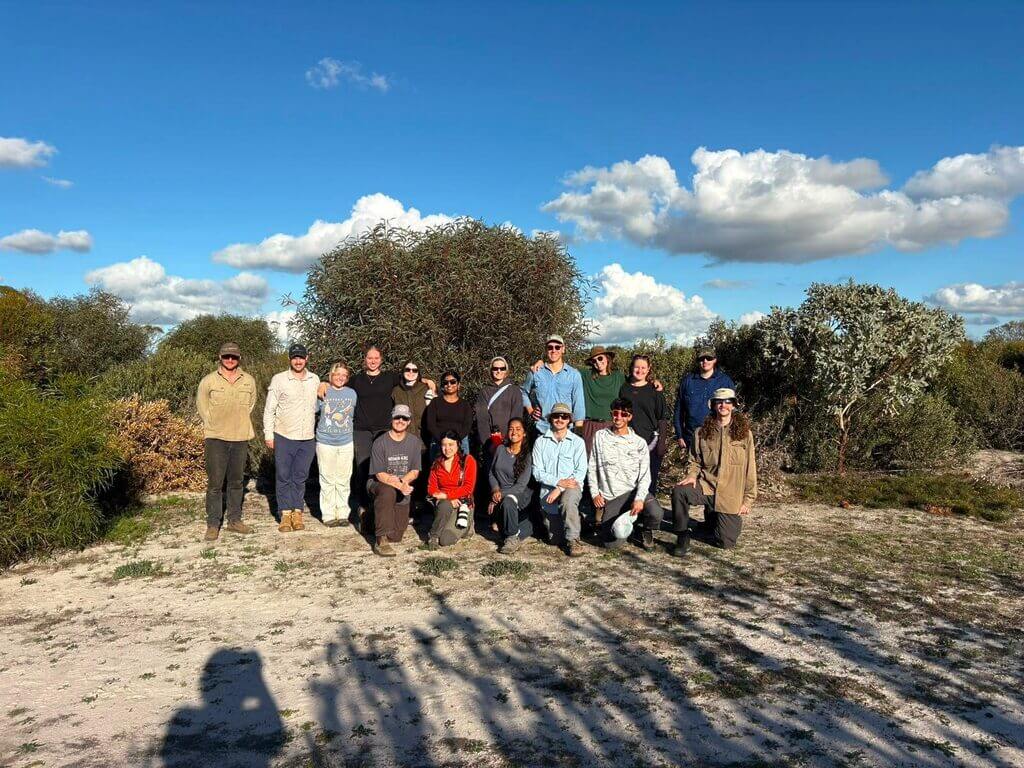
What does ecological restoration look like beyond the glasshouse, laboratory and research plot? And what does it take to restore landscapes at a scale where biodiversity, agriculture, climate and people are all part of the equation?
These were some of the questions explored during a recent Ecological Restoration Study Tour through the Great Southern region of Western Australia. Organised through Restore WA, in collaboration with Bush Heritage Australia, and Katanning Landcare, the multi-day field trip brought together students and early-career professionals from a range of disciplines to learn directly from people working on the ground.
For participants coming from diverse backgrounds; including agriculture, ecology, conservation, anthropology and sociology and natural resource management; the tour offered an opportunity to step outside familiar research environments and see restoration as a long-term process shaped by landscape, history, climate and management decisions.
Connecting people with restoration
Restore WA was established to empower students and early-career professionals interested in building careers in environmental restoration in Western Australia (WA). Through field trips, skills workshops, networking opportunities and engagement with industry, the initiative aims to strengthen connections between emerging professionals and the organisations delivering restoration across the state.
The Great Southern field trip provided a particularly valuable example of this approach. Over several days, participants visited restoration projects across wetlands, woodlands and agricultural landscapes, including Red Moort Field Station, Ediegarrup, Mojebup, Torquata Reserve, and sites associated with Greening Australia and Katanning Landcare.
One of the most striking aspects of the trip was the opportunity to see restoration projects at different stages of development. Rather than presenting restoration as a single intervention with a defined endpoint, the sites demonstrated how ecological restoration can involve a sequence of decisions and interventions over many years.
At some sites, established overstorey vegetation provided the foundation for introducing or strengthening understorey diversity. Participants were able to contribute directly by planting understorey species into these developing ecosystems. At other sites, the challenge was establishing overstorey species where direct seeding had not produced the desired outcomes. These contrasting approaches highlighted an important lesson: restoration strategies need to respond to the ecological conditions and history of each site rather than following a one-size-fits-all model.
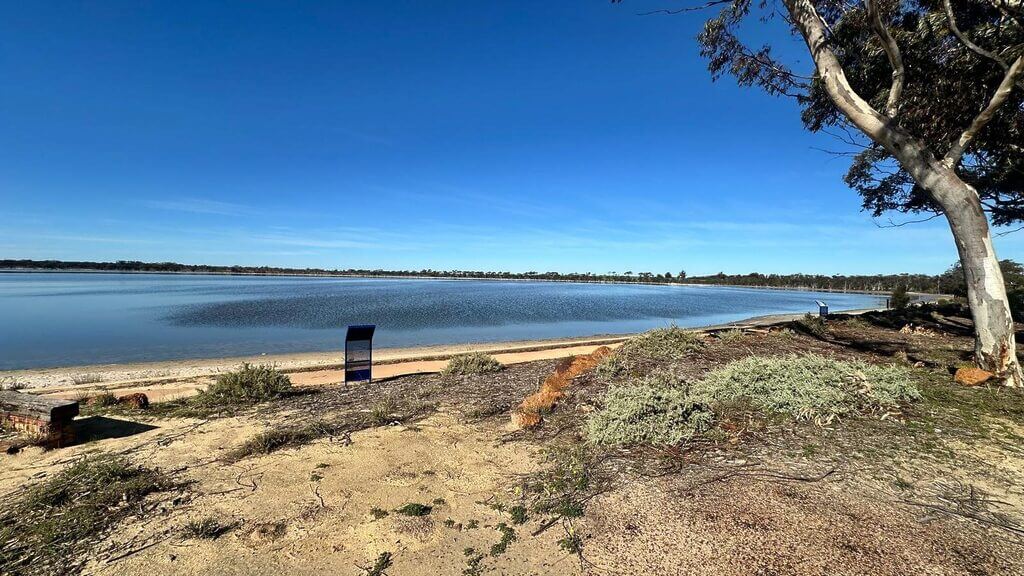
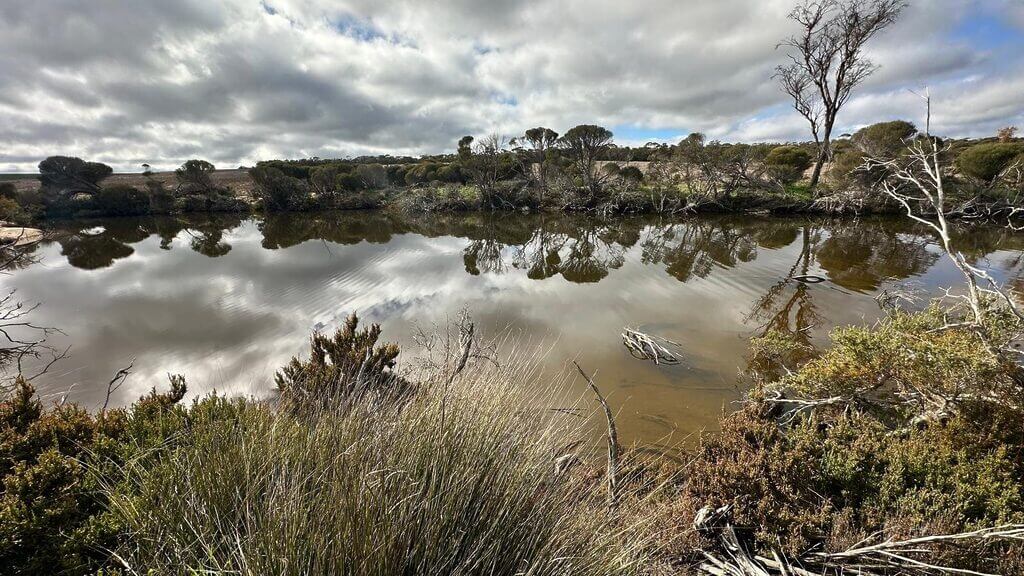
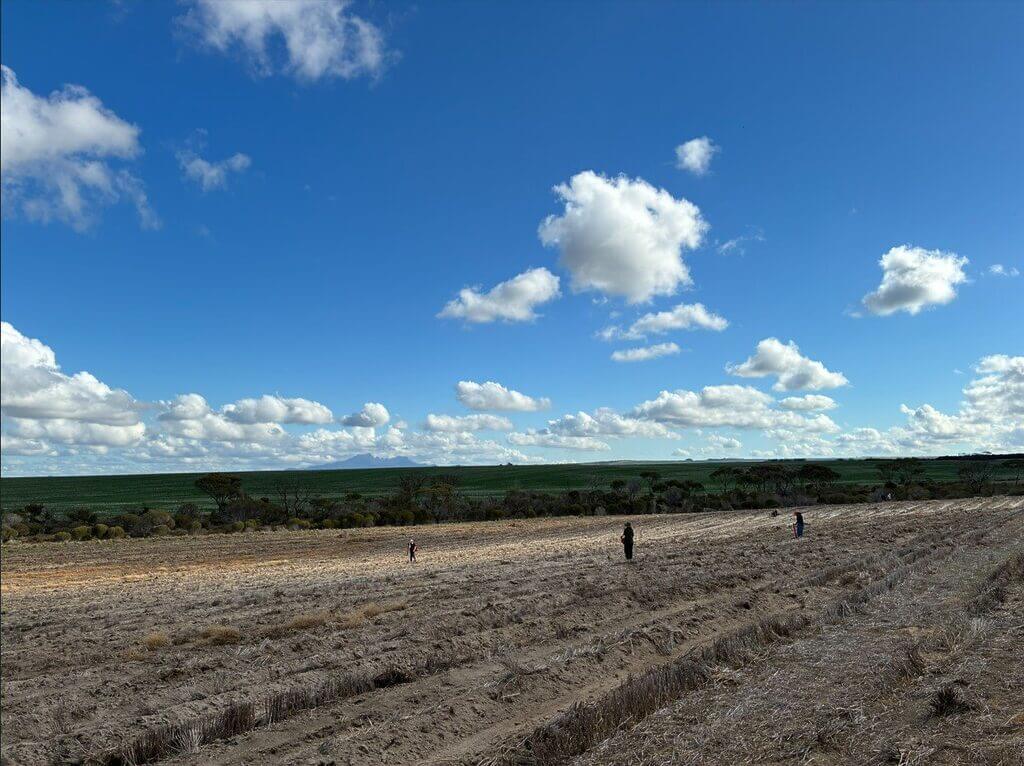
(L to R): Natural area management in Katanning, WA, wetland restoration site, dryland restoration site.
From planting to landscape-scale restoration
The field trip also provided an opportunity to explore broadscale biodiverse carbon projects of different ages and designs on Bush Heritage reserves. Seeing these sites side by side helped illustrate how restoration outcomes change over time and how decisions made during establishment can influence the trajectory of an ecosystem.
From Dr Reddy’s perspective as a plant scientist, she thinks there is a particularly interesting lesson here. Establishing plants is only the beginning. Successful restoration depends on understanding how individual plants interact with soils, water availability, climate, herbivory, competition and the broader ecological community. The performance of a species in a controlled experiment may tell us something important about its potential, but restoration asks a much larger question: can that species establish, persist and contribute to a functioning ecosystem within a complex landscape?
This perspective was reinforced by the practical experiences throughout the tour. Participants were not simply observers; they were able to take part in planting activities at Ediegarrup and Torquata Reserves, providing a tangible connection between ecological principles and on-ground restoration.
Where agriculture meets restoration
The tour also demonstrated that restoration and agricultural production do not necessarily have to exist as separate objectives. A visit to a canola farm provided an example of how biodiversity considerations can be incorporated into productive agricultural landscapes. The grower had implemented initiatives including artificial nesting structures and water sources to support wildlife alongside agricultural production.
For participants with an agricultural background, these examples provided an opportunity to think differently about what a productive landscape can look like. Rather than viewing biodiversity conservation and agricultural production as competing priorities, landscape-scale approaches can seek opportunities for the two to complement one another. This is particularly relevant in WA, where agricultural landscapes intersect with ecosystems supporting species such as the Carnaby’s Cockatoo. Katanning Landcare’s work with regional landholders demonstrated how restoration can address both agricultural challenges, including the impacts of dryland salinity and habitat opportunities for native fauna.
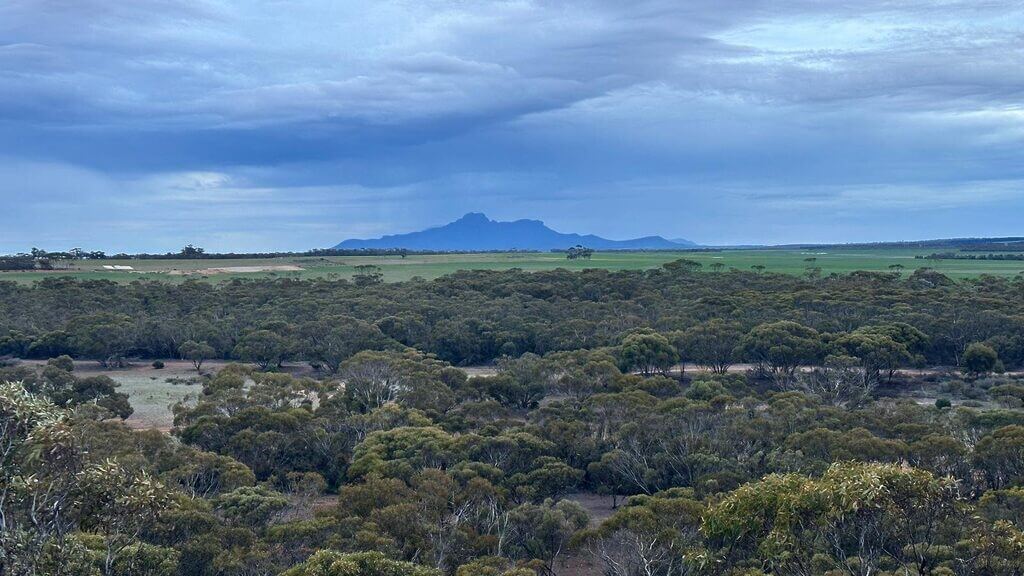
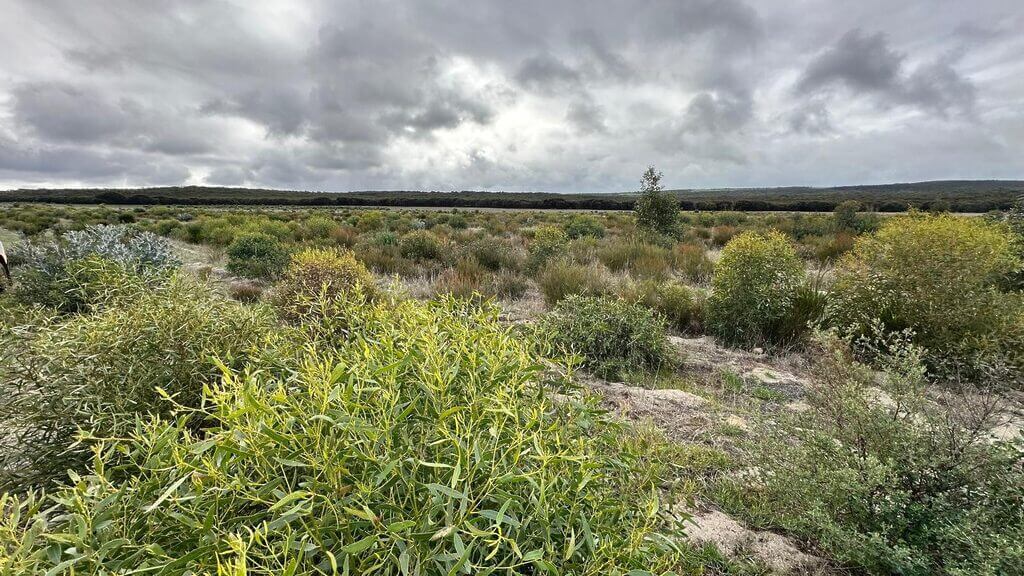
(L): Restored area after 10 years, (R): Newer restored area showing increased biodiversity.
Learning from the people doing the work
Perhaps the most valuable aspect of the study tour was not any single site or restoration technique, but the opportunity to meet the people involved in this work. Restoration is inherently collaborative. Ecologists, land managers, farmers, Traditional Owners, community organisations, researchers, government agencies and volunteers can all contribute different forms of knowledge and expertise. Understanding how these perspectives come together is essential for developing restoration approaches that are both ecologically sound and practical at landscape scale.
For early-career professionals, these interactions also provide an important window into the breadth of careers available within the restoration sector. The pathway from university study to environmental restoration is not necessarily linear, and the sector needs people with expertise across ecology, agriculture, plant science, soil science, data, land management and community engagement.
Stepping outside the laboratory
For one of us, working primarily in agricultural research, the trip provided a refreshing opportunity to step away from the glasshouse and laboratory and think about plants as components of connected ecosystems rather than as individual experimental units.
In research, we often focus on specific traits, species, treatments or responses. Restoration encourages us to zoom out and ask how these components function together. A plant’s success is no longer measured only by its growth or physiological performance, but by whether it contributes to habitat, interacts with other species, persists through environmental variability and ultimately becomes part of a functioning ecosystem.
That broader perspective is valuable for plant scientists because many of the challenges faced by restoration practitioners, water availability, soil constraints, climate variability, plant establishment and stress tolerance are also familiar research questions. The difference is that restoration brings these questions together in real landscapes, where uncertainty and complexity cannot be controlled away.
Building the next generation of restoration practitioners
The Great Southern field trip demonstrated the value of creating opportunities for students and early-career professionals to engage directly with restoration practitioners.
For those considering careers in ecology, conservation, agriculture, natural resource management or restoration, experiences like these provide something that cannot be gained entirely from lectures or laboratory work: the opportunity to see ecological concepts translated into decisions made on the ground.
They also create connections between people who may otherwise work in very different disciplines or institutions. Bringing these communities together is important for building a restoration sector capable of responding to the scale and complexity of environmental challenges facing Western Australia.
The Great Southern landscape provided a powerful setting for this learning, not simply as a backdrop, but as a living demonstration of how restoration develops over time, how agricultural and ecological objectives can intersect, and how much knowledge sits with the people working directly on Country.
The field trip left us with a simple but important reminder: restoration is not just about putting plants back into the ground. It is about rebuilding relationships between plants, animals, soils, landscapes and people, and giving those systems the opportunity to function again
“We are grateful to Restore WA, Bush Heritage Australia, Greening Australia, Katanning Landcare, and all the land managers, ecologists, researchers and practitioners who shared their knowledge and time throughout the tour. Most importantly, the experience demonstrated the value of bringing the next generation of restoration professionals into the field and giving them the opportunity to learn by seeing, doing and connecting with those already working to restore WA’s landscapes.”
Sneha & Oscar
Picture This!
Got a great shot from your research?
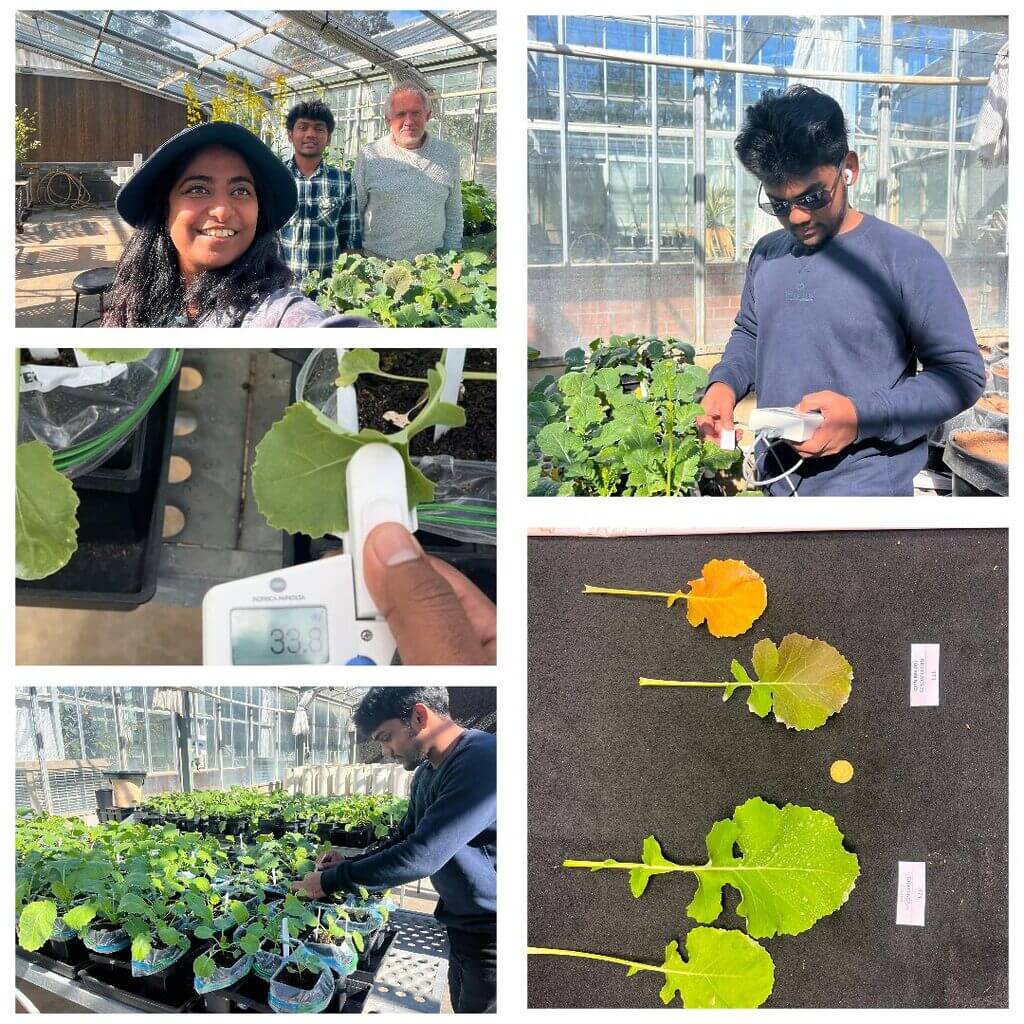
This month we have one from Sabari (master’s dissertation student, UWA) engaging with his nitrogen use efficiency experiment under supervision of Prof Sergey Shabala, a distinguished ASPS member and plant scientist.
Student Representative Contribution
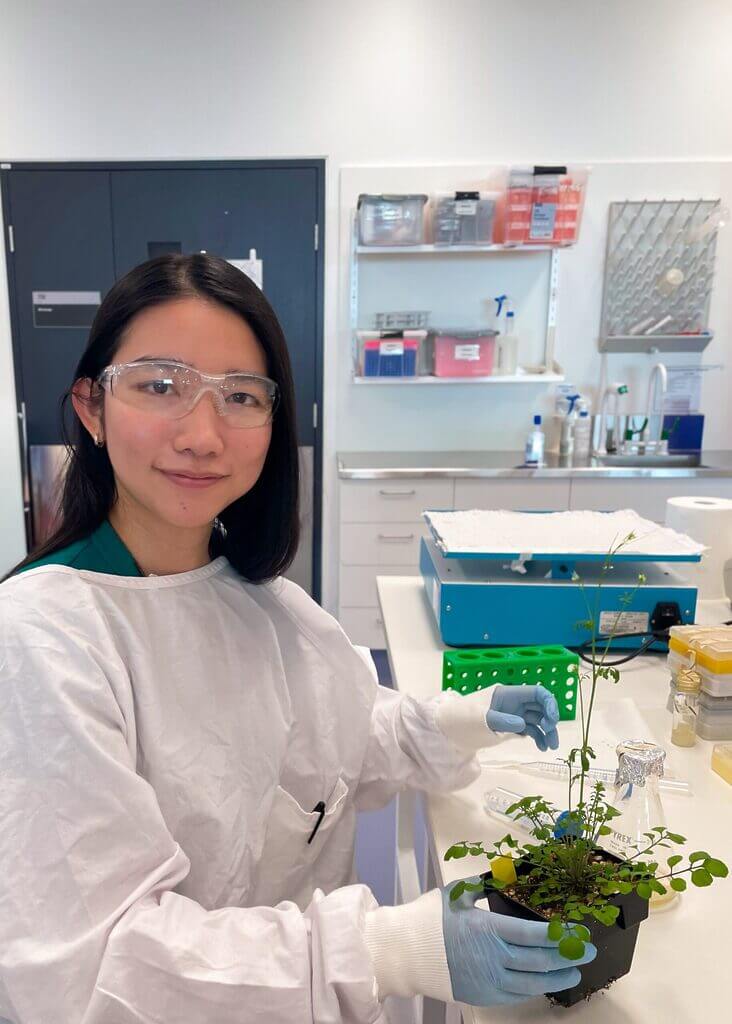
Gabriella Jessica
PhD candidate, the University of Sydney
ASPS Student Representative for NSW (2025-2026)
Hi everyone! I’m Jessica, a third-year PhD student at the University of Sydney, and my research focuses on plant development, particularly on how leaves develop their shape.
Interestingly, I started working on leaves during my Master’s capstone project without knowing much about plant science. What began as something I was curious about has now become my PhD project exploring one of the most visible, important, and diverse organs in plants, their leaves!
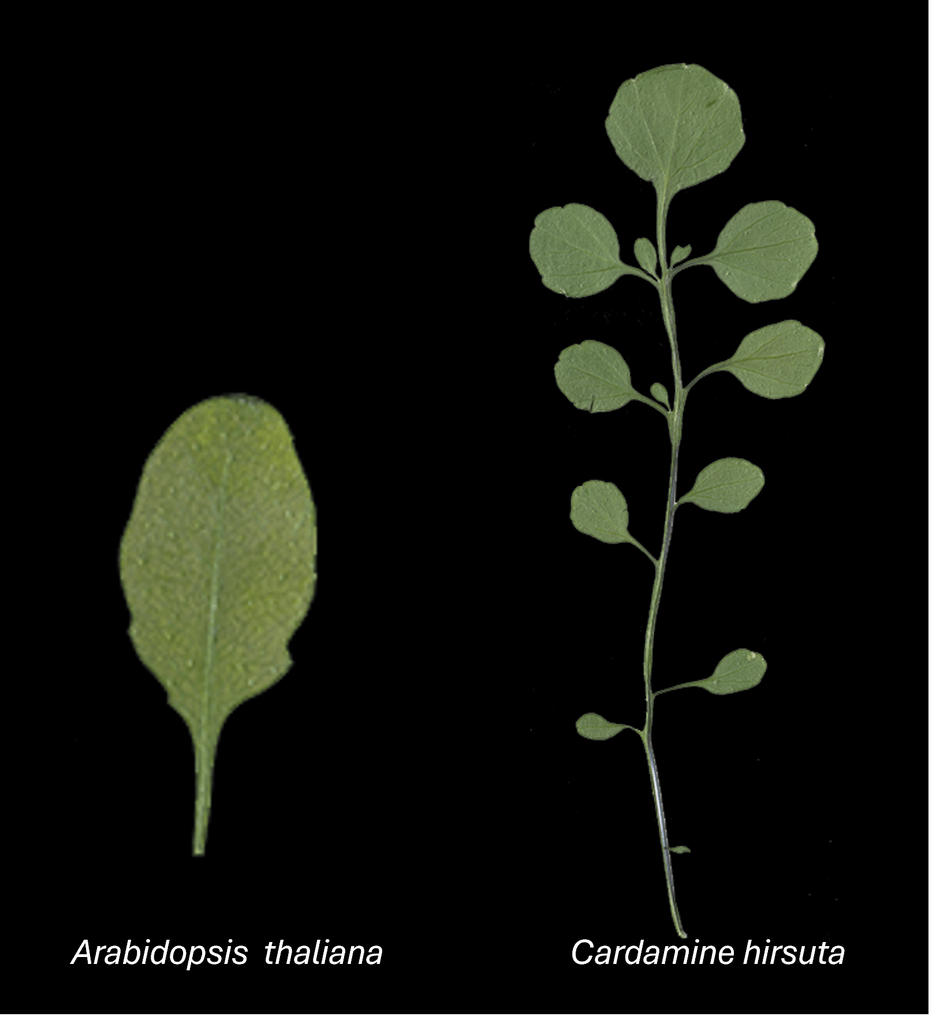
Our group is working with two closely related model plant species, Arabidopsis thaliana, one of the most widely studied model plants in plant biology, and its emerging relative, Cardamine hirsuta. Arabidopsis has simple leaves with a single blade and continuous structure. In contrast, Cardamine produces compound leaves, which are divided into smaller structures called leaflets.
So how does this close relative have such a different leaf shape?
This is the question that makes Arabidopsis and Cardamine interesting to study. By comparing these two species, we can investigate how small changes in developmental processes and regulation can lead to major differences in plant form. Understanding these processes can also give us better ideas of how leaves evolved across plant species.
My supervisor, Associate Professor Mary Byrne, has been working on Arabidopsis for many years and Cardamine for several years before I joined to understand how leaves and leaflets develop in compound leaves compared with the simple leaves of Arabidopsis. One of the approaches we use is CRISPR/Cas9 to generate loss-of-function mutants. By analysing the resulting changes in leaf shape, we can investigate the roles of specific genes in plant development.
Some of the results we’re seeing are really interesting and exciting. We’ve found that mutations in some of these genes can lead to noticeable changes in leaf shape, revealing their potential roles in leaf development. I am looking forward to sharing what we have discovered as the project progresses. So, stay tuned!
Outside my PhD research, I have the opportunity to become a student representative for the Australian Society of Plant Scientists (ASPS). I was very lucky to be involved in the March Women’s special feature celebrating Women in Plant Science, which was a wonderful opportunity to connect with and learn from other women working across the field.
I’m really excited about what is still to come, especially the upcoming ComBio conference, where I’ll have the opportunity to contribute, connect with fellow ASPS representatives and researchers, and hopefully learn a lot along the way!
Reports from Postgraduate Travel Award Recipients
We are pleased to round up the final reports from postgraduate students who received ASPS travel awards to attend the 2025 Adelaide conference.
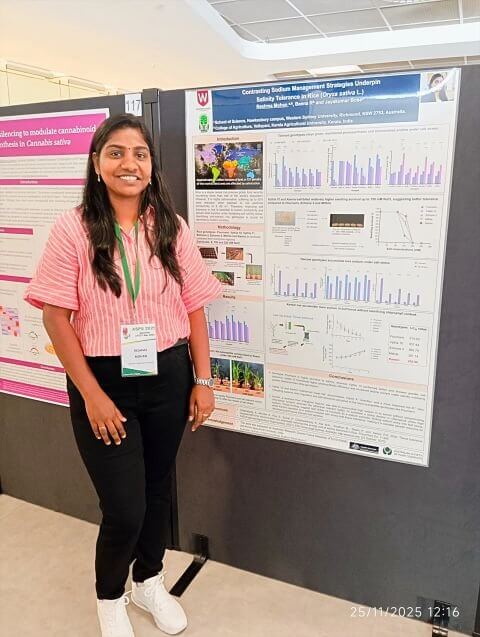
Reshma Mohan
Western Sydney University
Attending the 2025 ASPS Conference in Adelaide was an inspiring and rewarding experience. I sincerely thank ASPS for the Student Travel Award, which made my participation possible. The diverse range of talks and posters provided valuable insights into current advances in plant science, particularly in stress physiology and molecular biology. Presenting my research poster on salinity tolerance in rice allowed me to receive constructive feedback and engage in stimulating discussions with leading researchers and peers. Networking events and social gatherings created opportunities to build collaborations and broaden my professional connections. Overall, this conference greatly enhanced my scientific knowledge, presentation skills, and confidence, positively influencing the future direction of my PhD research.
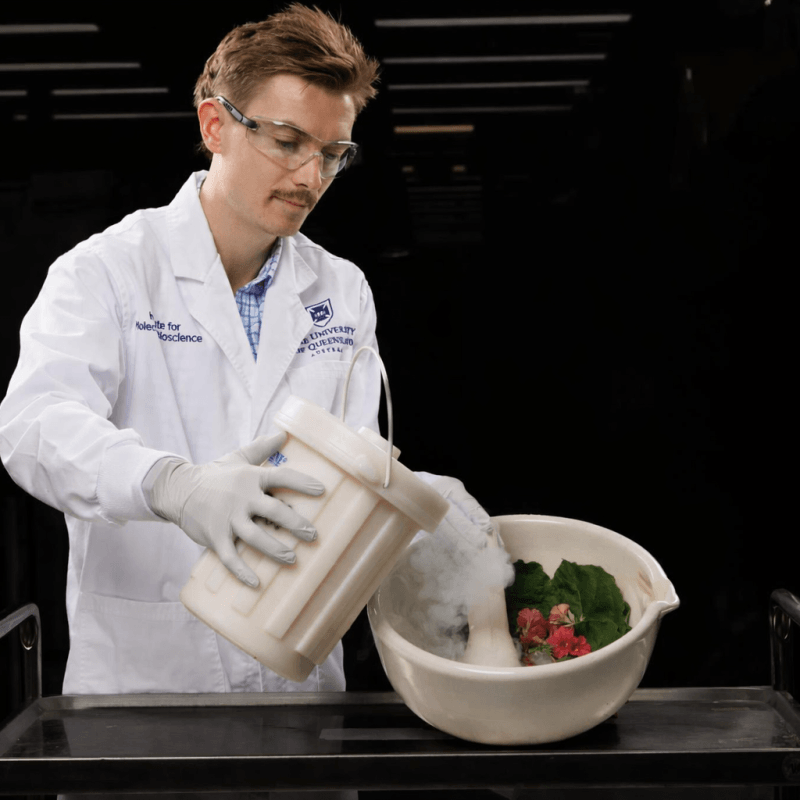
Max Harding
University of Queensland
ASPS 2025 in Adelaide was a ripper week of both the science and the social. Perhaps the most relaxed conference I have attended, it felt really easy as a student to network and chat with leaders in the plant sciences; a feeling which often isn’t present at larger conferences. The great amount of time dedicated to social activities helped strengthen these connections throughout the week, while giving ample opportunity to meet almost everyone at the conference. A particular highlight of the conference was the winery tours; talking grapevine genetics while drinking the best McLaren Vale had to offer. As a final year PhD student, ASPS25 provided an opportunity to share my work and explore potential job opportunities for the future.
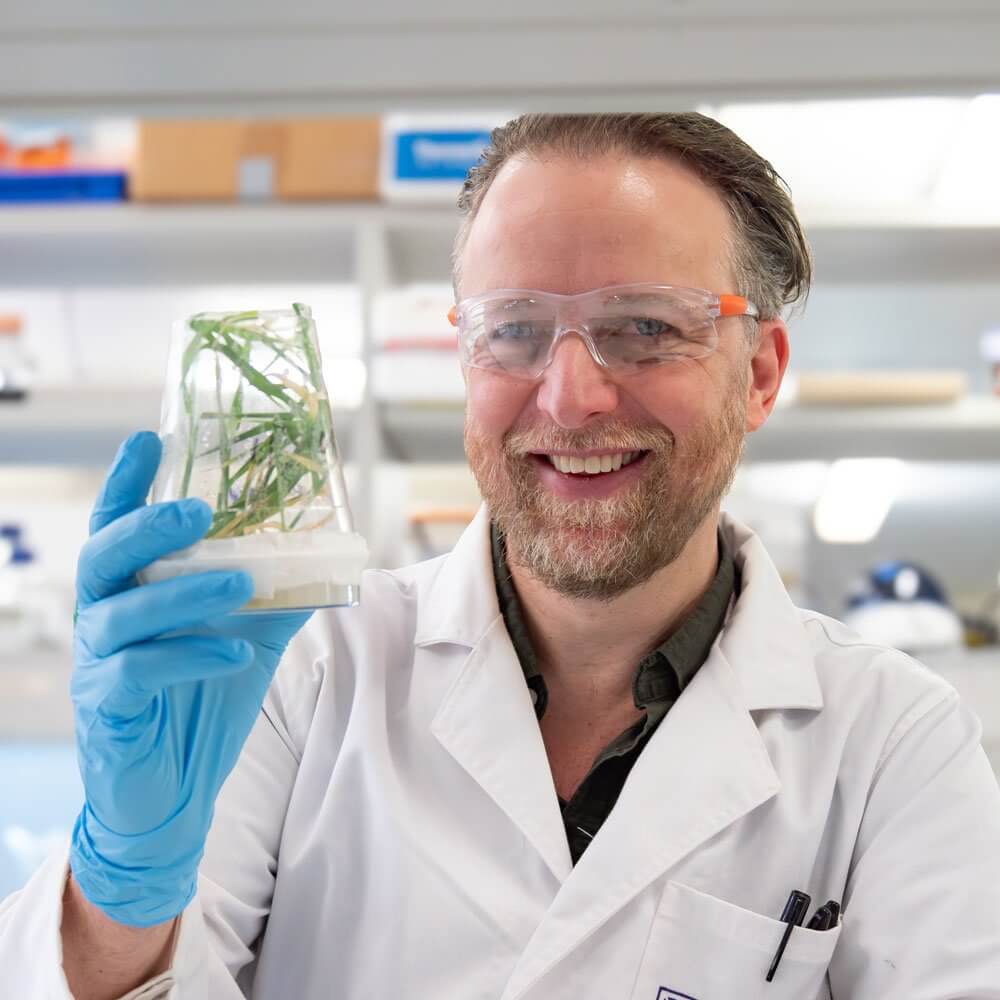
Richard Dixon
University of Queensland
Huge thanks to the ASPS for support to attend the 2025 conference! It was a great experience based at a beautiful campus. I was able to showcase my research during the poster session, striking up new conversations with new connections as well as reconnecting with other researchers whom I had met previously, including at ASPS 2023 in Hobart! Always great to hear such inspiring talks from a group of passionate plant scientists. Sadly, I had to miss the wine tasting to prepare for harvesting a field trial the following week, but was able to make up for it at the conference dinner, loved the al fresco Adelaide summer vibes!
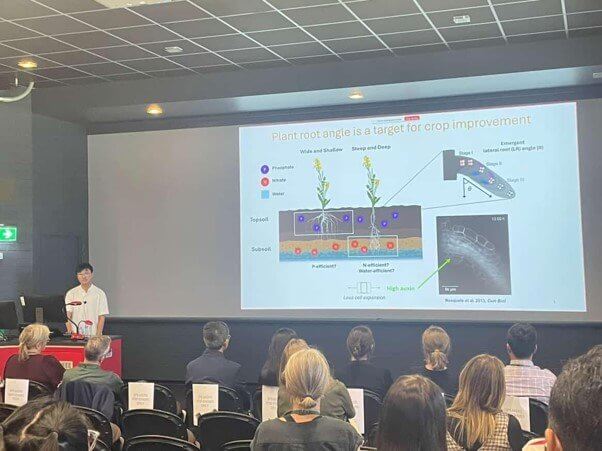
Marvin Jin
Australian National University
X handle: @MarvinJYS | LinkedIn
With support from the ASPS Student Travel Grant, I was able to attend last year’s ASPS annual conference, and I’m incredibly grateful for the opportunity. It was genuinely heartening to see not only the breadth of plant science topics represented, but also the strong emphasis on root biology research throughout the meeting. I was fortunate to present a poster teaser, which I found to be a valuable science communication exercise—distilling my PhD research into a concise and hopefully engaging summary to share with peers, and to spark conversations and exchange ideas. The conference dinner at the National Wine Centre was a particular highlight. The relaxed setting made networking feel natural and approachable, especially as an early career researcher. It was wonderful to connect more casually with colleagues and friends. All in all, I couldn’t think of a better way to wrap up the academic year than spending time in Adelaide, sharing good science and good company.

Arka Dutta
La Trobe University
As a recipient of ASPS-2025 student travel grant, I attended the ASPS 2025 conference in Adelaide, where I presented a poster entitled “Unravelling the molecular complexity of phosphate adaptation and signalling in plants.” This meeting provided a valuable opportunity to engage with recent advances in plant nutrient signalling and regulatory networks. Discussions with researchers from other institutions facilitated constructive feedback on my work, particularly regarding approaches to strengthen the robustness of my findings and refine experimental design. Exposure to a range of methodological and conceptual frameworks further informed potential directions for future investigation. In addition, the conference enabled the establishment of new professional connections, contributing to the broader development of my research network.
I am very pleased to have received the ASPS Student Travel Award, which enabled my participation in this conference and supported my professional development.

Xiaowen Fan
University of Western Australia
The 2025 ASPS conference in Adelaide was an unforgettable experience. As a first-time attendee, I was impressed by the high-quality research presented across plant science disciplines. I particularly enjoyed the interactive poster sessions, where I had meaningful conversations with researchers from different institutions. The keynote speeches on plant adaptation to environmental stress gave me new insights for my own project. Beyond the science, the social events were a highlight—I connected with fellow PhD students and established academics in a relaxed atmosphere, which made me feel more connected to the plant science community. This experience not only expanded my academic network but also renewed my enthusiasm for research. I truly appreciate ASPS for supporting my attendance.
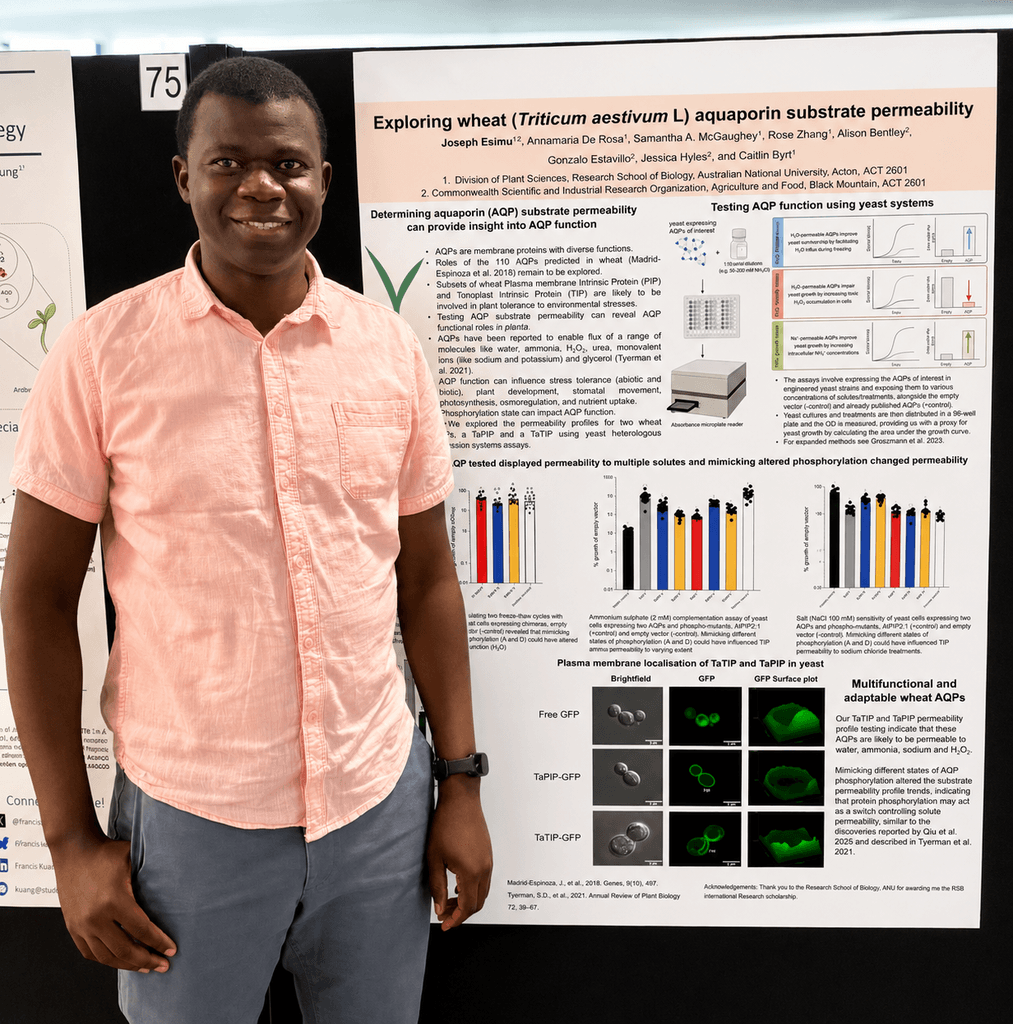
Joseph Esimu
Australian National University
Attending the 2025 ASPS Conference at Flinders University was a highly rewarding experience. Not only was it my first visit to Adelaide, but it was also the first opportunity to present my PhD research to a broader audience through a poster presentation. I was able to engage with experts in the field, many of whom I have long admired, and to receive feedback on my work. I also enjoyed presentations from different speakers and appreciated the opportunity to network with members of the wider plant science community. I am sincerely grateful to ASPS for awarding me a travel grant, which made my participation in this conference possible.
Member News
Publications
📖 We’re pleased to highlight a new publication from Joseph L. Pegler, ASPS Honorary Treasurer, and Jacinta H. Martin, exploring the prevalence and evolving regulation of per- and polyfluoroalkyl substances (PFAS) in Australia.
“Prevalence and Regulatory Framework of Per- and Polyfluoroalkyl Substances (PFAS) in Australia: Past, Present and Future” was recently published in Journal of Hazardous Materials Letters (2026).
PFAS—often referred to as “forever chemicals” because of their exceptional persistence—have been detected across Australian environments, including soil, surface water and groundwater. This review provides a comprehensive overview of PFAS contamination in Australia and traces the development of regulatory responses, while highlighting important gaps and future priorities for monitoring, research and management.
The paper offers a timely perspective on an increasingly important environmental challenge and the need for coordinated approaches to understanding and managing persistent chemical contaminants.
🔗 Read the open-access article: Prevalence and Regulatory Framework of PFAS in Australia: Past, Present and Future
Congratulations to Jacinta and Joseph on this important contribution!
🌱 New Publication: Seeds in suspension: Cell type-specific control of seed dormancy and germination initiation
Congratulations to student member & former Phytogen co-editor Lucas Auroux on his publication in Current Opinion in Plant Biology alongside co-authors & ASPS members Lim Chee Liew and Matthew Lewsey
They combined single-cell and spatial transcriptomic evidence, suggesting a cell type-resolved conceptual framework for understanding seed dormancy establishment, maintenance, release, and germination initiation, moving beyond traditional tissue-level models.
Read the paper: Current Opinion in Plant Biology
The paper combines single-cell and spatial transcriptomic evidence, suggesting a cell type-resolved conceptual framework for understanding seed dormancy establishment, maintenance, release, and germination initiation, moving beyond traditional tissue-level models”.
Opportunities
Conference, Webinar, Symposia,
Soil Science Australia Conference 2026
The Soil Science Australia Conference 2026 will be held in Perth, bringing together researchers, practitioners, and students working across soil health, agriculture, and environmental systems.
This is a great opportunity to share research, build networks, and engage with the latest advances in soil science.
📅 1–5 November 2026
📍 Boorloo (Perth)
🎟️ Early bird registration is now open — don’t miss the discounted rate (check the website for closing date details).
👉 More information and registration: https://www.soilscienceaustralia.org.au
UWA Farm Ridgefield 2026 Open Day
11 September 2026 | West Pingelly, WA
Explore the future of sustainable agriculture at the UWA Farm Ridgefield Open Day. The event will showcase innovative UWA research through field visits and project demonstrations focused on resilient farming systems, environmental stewardship and agricultural innovation.
The open day is a great opportunity for researchers, students, industry and the community to connect and discover current agricultural research in action.
📍 UWA Farm Ridgefield, West Pingelly🔗 Registration: UWA Farm Ridgefield 2026 Open Day
PhD, Postdoctoral positions & Scholarship
🌱 Job Opportunity | Research Scientist – Applied Entomology & IPM
Agriculture Victoria | Irymple (Mildura), VIC
Agriculture Victoria is seeking a Research Scientist – Applied Entomology and Integrated Pest Management to contribute to research developing and evaluating IPM tools and practices for horticultural crops.
The role involves field and laboratory research, insect pest monitoring, crop damage assessment, biological control, biopesticides, insect diagnostics, field trials and industry engagement, with a particular focus on pests in almond orchards.
🎓 PhD in Science, Biological Science or Agricultural Science required
💰 $100,894–$114,476 + super
📅 Fixed-term until 30 June 2028
🗓️ Applications close: 1 September 2026
An exciting opportunity for researchers interested in agricultural science, entomology, pest management and applied horticultural research.
🔗 Search “Research Scientist – Applied Entomology and Integrated Pest Management – Agriculture Victoria” on the DEECA Careers portal for the full position description and application details.
🌱 Job Opportunity | Postdoctoral Research Fellow / Research Officer – Agricultural Economics
The University of Queensland | Gatton, QLD
UQ is seeking an early-career researcher to contribute to an ACIAR-funded project on cattle market-chain development in Lao PDR, focusing on agricultural economics, market systems and institutional innovation. The role involves economic and institutional analysis, survey design, quantitative & qualitative data analysis, stakeholder engagement and international fieldwork in Lao PDR.
💰 $85,372–$113,659 + 17% super + leave loading
📅 Full-time, fixed-term (18 months)
🎓 PhD required for Postdoctoral Research Fellow
A great opportunity for researchers working in agricultural economics, rural development, agricultural markets and international development.
Get Involved with ASPS
Life & Corresponding Membership
Life Membership
Life Membership of the Australian Society of Plant Scientists recognises an outstanding and sustained contribution to the Society by a longstanding ASPS member who, through their professional activities, has substantially enhanced the international profile of Australian plant science research.
Nominations for ASPS Life Membership can be made at any time to the Honorary Secretary (Mary Byrne [email protected]). A one-page summary addressing the above criteria must accompany the nomination.
Corresponding Membership
Corresponding Membership of the Australian Society of Plant Scientists recognises overseas colleagues, with a high profile of research achievement in any field of plant science, who have a strong track record of successfully contributing to and promoting plant science research within Australia.
Nominations for ASPS Corresponding Membership can be made at any time to the Honorary Secretary (Mary Byrne [email protected]). A one-page summary addressing the above criteria together with a curriculum vitae of the applicant must accompany the nomination.
Discipline Representatives
Applications for the following Representatives are open and close on 11th September. Application form can be found on the ASPS website Committees & Representatives — Australian Society of Plant Scientists
- Cell Biology
- Plants and the Environment
- Plant-Microbe Interactions
- Plant Science Education and Outreach
- Diversity and Inclusion
- Student Representatives (numerous positions)
Editors’ Note
Thank you for reading!
We hope you have enjoyed reading and exploring contributions from our members that personify Australian plant science research: diversity, connections and engagement. As the landscape of research continues to evolve, we will continue to champion plant scientists who contribute to the ecology of plant science research in Australia from investigating different leaf types across species to evolving journal content to meet current needs. Phytogen is a community-driven newsletter, and we welcome contributions from ASPS member students, early- and mid-career researchers, and established scientists at any time. If you have research highlights, opinions, event reports, or field stories to share, we encourage you to get in touch for future issues
Newsletter written & edited by Razlin Azman & Sneha Reddy. Support this month by Janet Wheeler.
We thank the following members for their contributions to this issue: Barry Pogson, Sneha Reddy, Oscar Jones, Patrick Hannah, Gabriella Jessica, Reshma Mohan, Sabari Thirumalai Samy, Max Harding, Richard Dixon, Marvin Jin, Arka Dutta, Xiaowen Fan and Joseph Esimu.
We also thank the ASPS executive for their continued support of Phytogen.