
ASPS 2025
ASPS 2025 conference
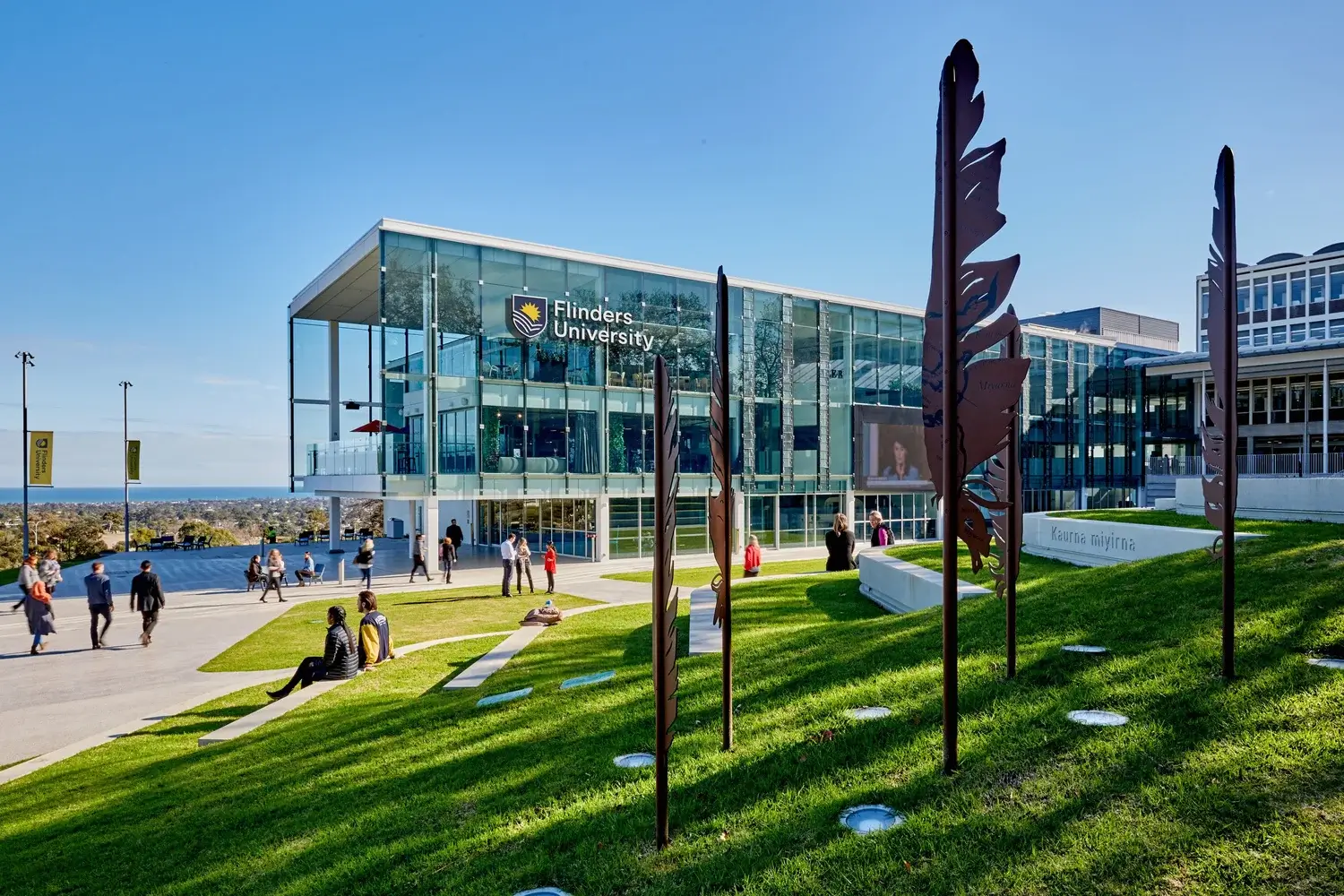
The ASPS 2025 conference was hosted by Flinders University at Bedford Park, Adelaide, from 24 to 27 November 2025.
ASPS award lectures
Presented at ASPS 2025.
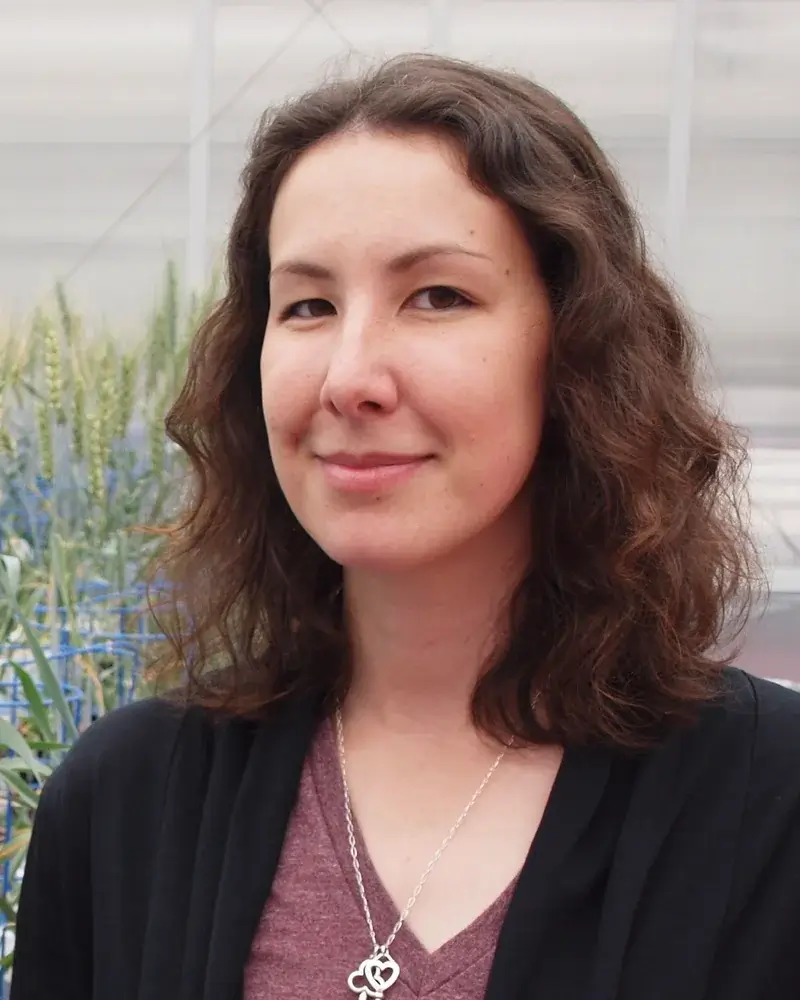
Stephanie Watts-Fawkes
Wageningen University & Research
Peter Goldacre Award and Lecture
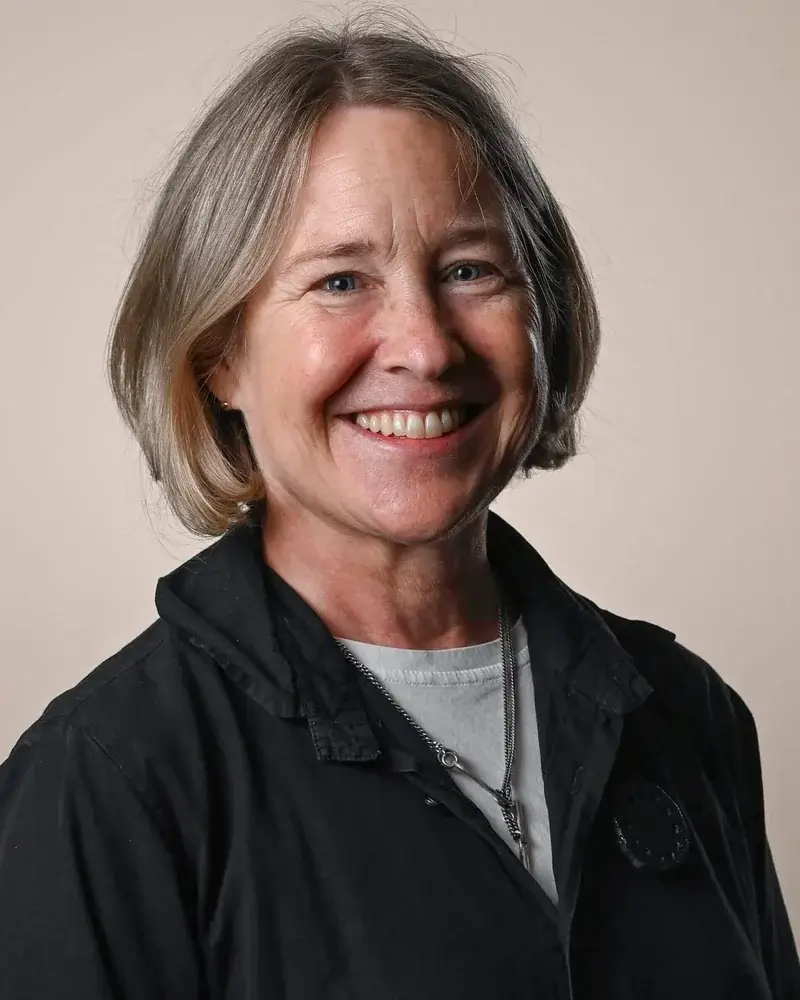
Michelle Watt
University of Melbourne
RN Robertson Lecture
Additional ASPS awards
Recognised at ASPS 2025.
Callum Hayes
RN Robertson Travelling Fellowship
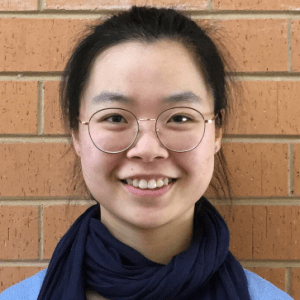
Dr Yin Liu
ASPS-Functional Plant Biology Best Paper Award
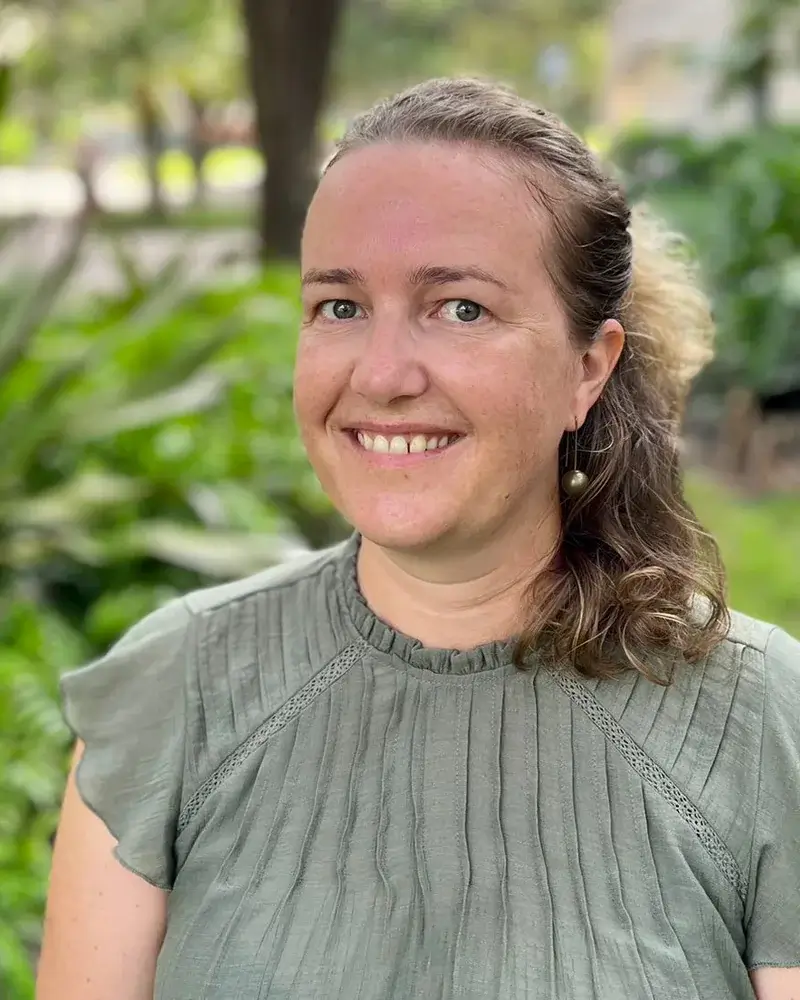
Dr Lena Mueller
Annals of Botany Travelling Lectureship
Presentation awards
Awarded at ASPS 2025.
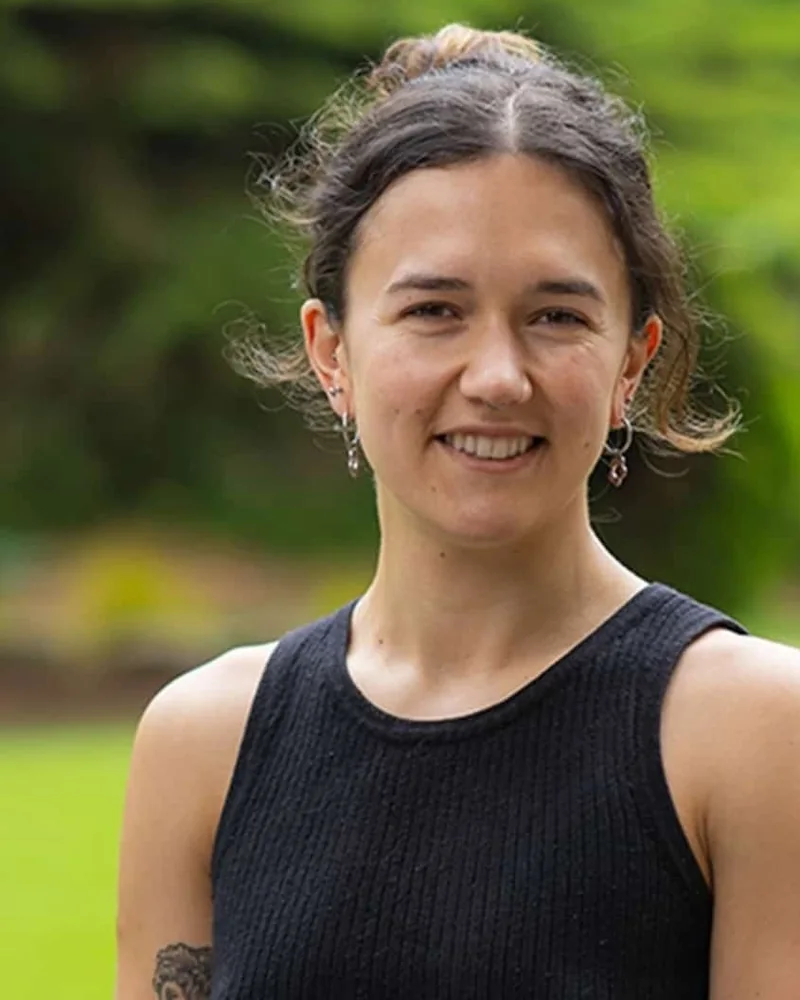
Louise Walker
La Trobe University
Best Student Presentation

Qinqin Yang
University of Sydney
Student Presentation Runner-up
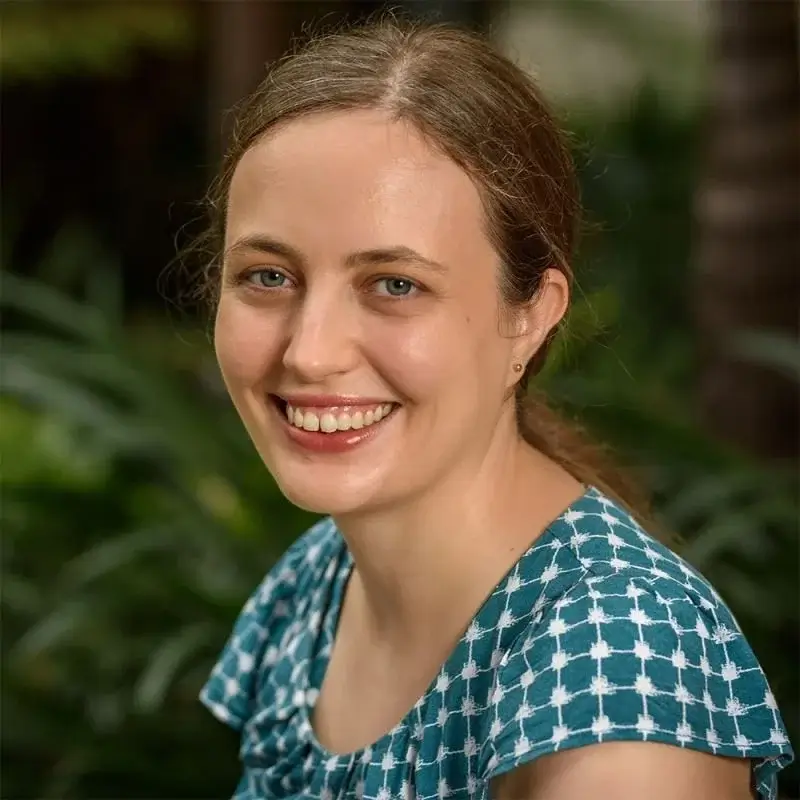
Stephanie Kerr
Queensland University of Technology
Best Early Career Researcher Presentation
Poster awards
Awarded at the ASPS 2025 poster sessions.
Daniel Wallis
University of Sydney
Gabriella Jessica
University of Sydney
Szczepan Glewicz
University of Sydney
Guilherme Ventura Yoshikawa
University of Adelaide
Jasmine Divinagracia
Western Sydney University
Programme
Four days at Flinders University, Bedford Park, from Monday 24 to Thursday 27 November 2025. Conference enquiries were handled by Dr Crystal Sweetman, Flinders University.
Tuesday 25 November, 8am
Women in Plant Science Breakfast
With Dr Alison Bentley and Dr Alison Gill. The Studio, behind Grind & Press Café at the Flinders Hub.
Tuesday 25 November, afternoon
Social afternoon
Ticketed tours of the Mt Lofty Botanic Garden and summit, the Waite Campus (The Plant Accelerator, the Waite Arboretum and the campus winery) or two McLaren Vale wineries, d'Arenberg and Wirra Wirra.
Wednesday 26 November, 8am
CSIRO Publishing workshop
For students and early career researchers, with Dr Patrick Hannah. Alere Function Centre, The Hub.
Wednesday 26 November, 6.30pm
Conference dinner
National Wine Centre of Australia, next to the Adelaide Botanic Garden, with bus transfers from Flinders.
Session themes
The Future of Plant Science (student-led)
Plant Organelle and Energy Biology
Synthetic Biology and Green Biomanufacturing
Plant Nutrition and Development
New Technologies and AI in Plant Science
Beneficial Plant-Microbe Interactions
Fields of Opportunity (industry-led)
Plant Biotic and Abiotic Stress Signalling
Teaching, Outreach and Indigenous Learnings
Frontiers in Genetics and Molecular Biology
Speaker biographies
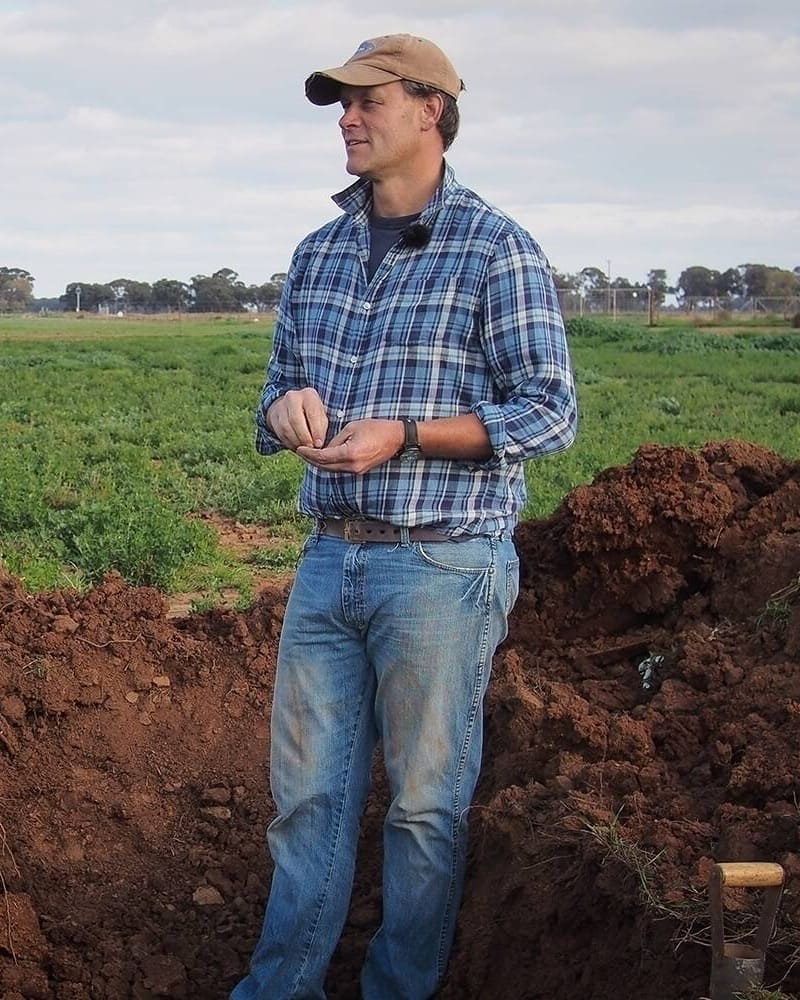
Michael Eyres
Michael Eyres is a land management advisor with Field Systems, a strategic soil management research and advisory company working with farmers throughout Australia and based in South Australia.
Originally from a dryland mixed farming operation in Western Australia, Michael has spent the last 20 years working primarily with Australian broadacre farmers specifically in relation to strategic soil management for improvement of plant productivity and long term soil capacity.
With a specific focus on soil disturbance mechanisms and accompanying nutrient management strategies, he has developed a sound understanding of the defined relationship between precision agricultural technologies and improved soil and crop performance.
Field Systems have been involved in many soil and crop management projects in Australia and also other areas of the world including Canada, USA, Southern Africa, Mongolia and South America. Field Systems have worked with Flinders University on numerous collaborative plant research projects since 2008. They are still currently involved.
Field Systems, South Australia
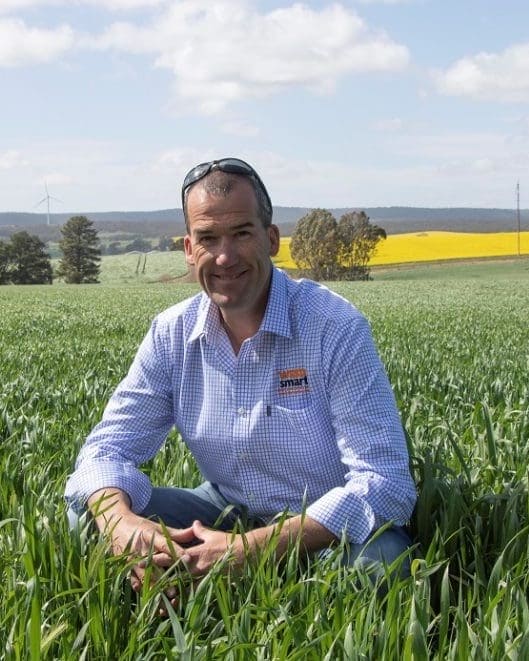
Chris Davey
Cropping Agronomist. Founder of Next Level Agronomy and advisor with Weedsmart Australia.
Chris is a highly regarded and respected research and field agronomist with over 25 years of experience supporting farmers across the Yorke Peninsula of SA. He is the founder of Next Level Agronomy, an independent research and agronomy consultancy company, and also works in the role of Southern Australian & Victorian Extension Agronomist with WeedSmart, bringing practical solution-focused approaches to sustainable weed management and herbicide resistance. Chris has a comprehensive understanding of plants, soils and climate constraints for broadacre cropping and also has a passion for Australian native plants, in particular native orchids. Chris has recently published a field manual for identifying native orchids from the YP. Chris articulates very well his thoughts and opinions on Australian cropping issues and opportunities.
Keynote speaker
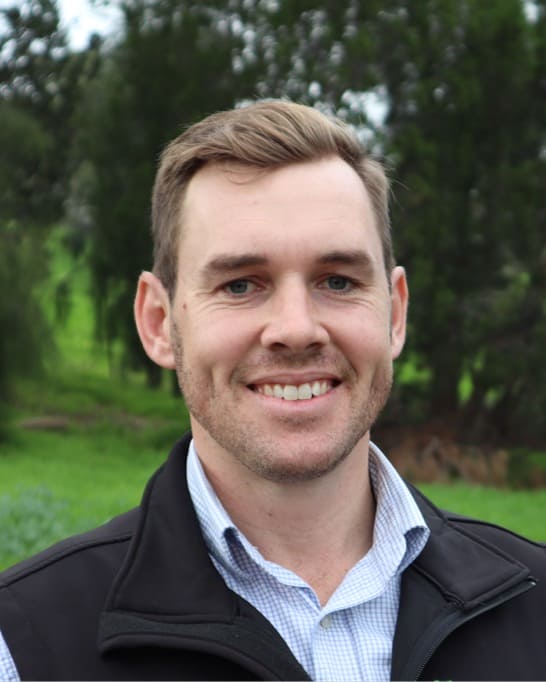
Edward Scott
Ed is an experienced soil scientist and land management advisor for Field Systems. Ed applies his technical understanding of the critical role that soils contribute to crop production. Specialising in the interpretation and assessment of soil, plants and water information he develops management strategies for agricultural performance based on key soil to plant relationships. Ed contributes to and applies up to date scientific research with integrated technology solutions for ongoing crop and soil monitoring and is recent past President of Soil Science Australia. His passion for improving soil and crop productivity is the key motivation driving Ed to develop effective land management outcomes for Australian farmers.
Soil Scientist, Soil and Crop Consultant with Field Systems
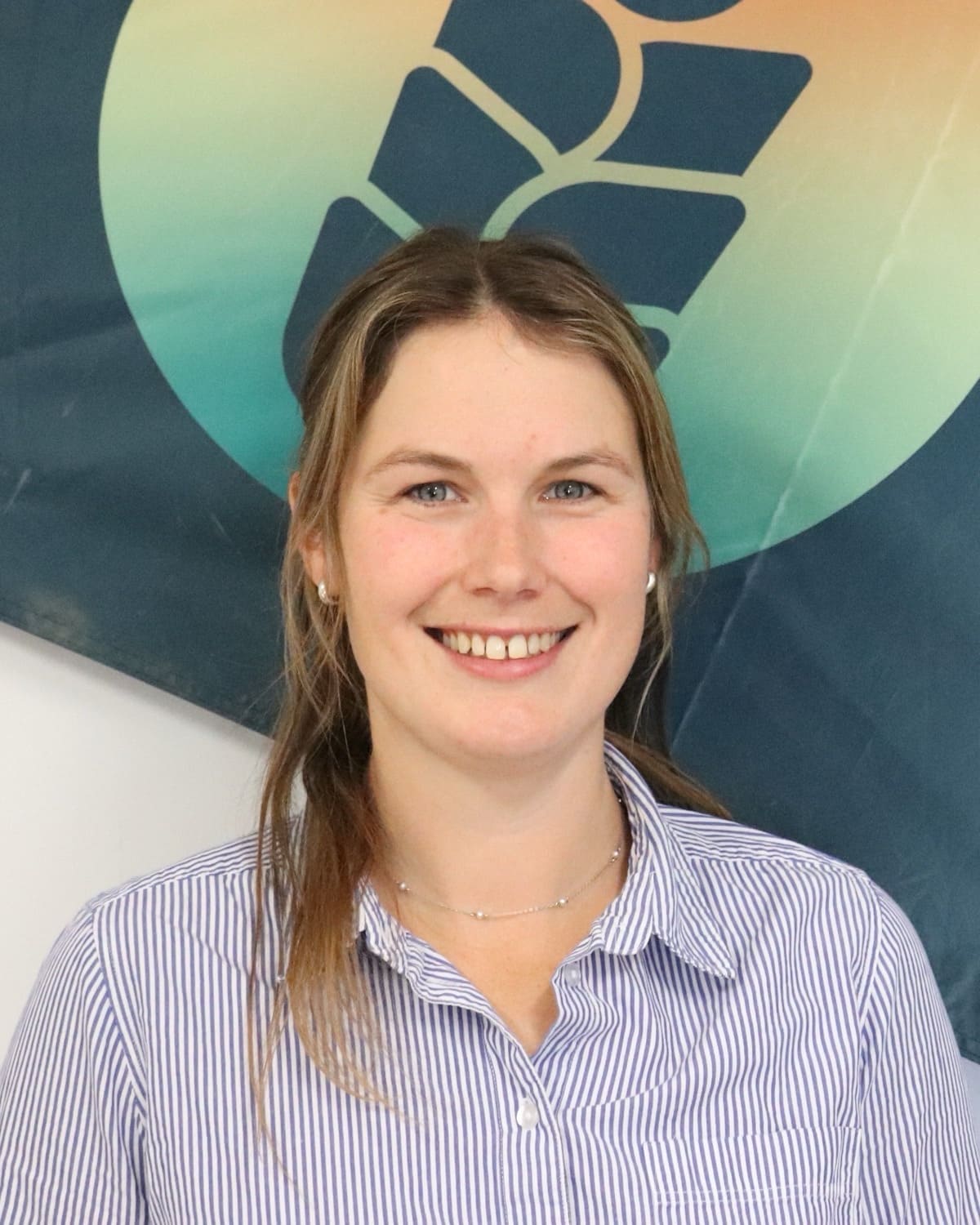
Sarah Day
With a strong farming background and well over a decade of experience in the agricultural industry, Sarah brings expertise in pulse crops, farming systems and extension. Over 10 years working as a research officer at SARDI, Sarah gained extensive knowledge and experience working in pulse breeding evaluation, which later led to her expanding her skills into research and extension in pulse agronomy, with a particular interest in low rainfall environments and farming systems. Agronomic topics researched include nutrition, disease management, cropping systems, variety performance, and herbicide management.
With a strong background in fostering partnerships between growers, researchers, and industry, Sarah is known for translating complex research findings into practical on-farm solutions. Her expertise in clear communication and building meaningful connections has helped drive innovation and the adoption of improved management approaches throughout the farming community.
Plant Scientist, Research Officer, and currently Communications and Extension Manager for MSF
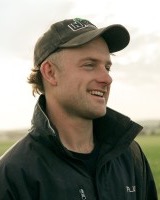
Jordan Kitschke
Jordy grew up on a broadacre cropping property at Jamestown in the mid-north of South Australia and went on to study Agricultural Science at the University of Adelaide. To this day, his primary focus and passion is growing better crops, but he's also dedicated to creating effective technology solutions for farmers. Jordy founded Flux Robotics, which uses AI to selectively spray weeds with precision and he has utilised and furthered many other applications in research and development in robotics to suit advanced cropping techniques. Jordy thrives on solving problems with passionate, smart people who challenge the status quo to drive meaningful progress.
Founder of Flux Robotics / Agricultural Science graduate
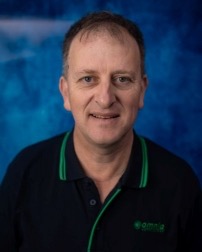
Andrew Doecke
With a passion for improving crop production, Andrew Doecke manages the R&D program for Omnia Specialities in Australia. Based on the Murray River in Loxton, SA, he has nearly 30 years of experience working with biostimulants. He has seen the biostimulant industry move from backyard operations through to the most exciting frontiers like metabolomic studies to continue to build productivity in agricultural systems. Majoring in the use of humic substances, kelp and plant growth promoting biologicals, Omnia works to integrate biostimulants into conventional soil and fertiliser management. Andrew understands large scale plant production systems and what is needed to make them profitable in variable and changing seasonal conditions.
Innovation and Development Manager, Omnia Specialities